
Technical notes
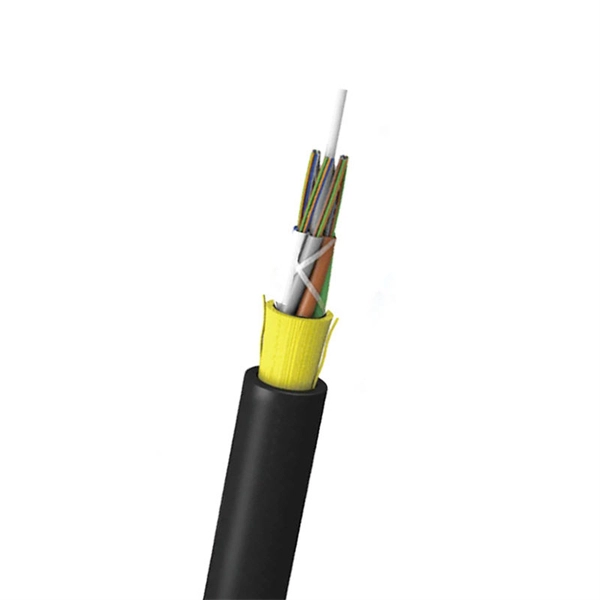
Repairing and Restoring Fiber Optic Networks
By exploring topics such as emergency restoration planning, rapid fiber testing techniques, and the future trends in fiber optic restoration, we will
FOA Guide
When you design the network, restoration planning should be part of the design. If you did not do that, now is the time to do it before something happens. What Can
How to Repair Fiber Optic Cable: The Complete Guide
Repairing fiber optic cables demands precision, the right tools, and knowledge of causes and techniques. This 2025 guide equips you to handle
How to Repair a Damaged Fiber Optic Cable?
Learn how to repair a damaged or cut fiber optic cable with step-by-step instructions, essential tools, and best practices. Restore your fiber cable quickly and ensure stable, low-loss
Restoration Guide
In outside plant fiber optic installations, the biggest cause of network failure is likely to be electronic problems or, if it''s in the cable plant, what is usually called “backhoe fade” for buried cables and
Fiber Optic Cable Repair Key Restoration Practices Explained
This guide provides a detailed roadmap for fiber optic cable repair, covering fault diagnosis, repair procedures, tool selection, and quality verification to help professionals quickly
Optical Fiber Maintenance Plan Guide | PDF
This document outlines a comprehensive maintenance plan for optical fiber networks, focusing on regular inspections, preventive maintenance, and testing procedures to address challenges such as
The Complete Guide to Fiber Optic Cable Management
Ultimate fiber optic cable management guide: Best practices for installation, organization & maintenance - ensure network reliability.
Solve Fiber Optic Cable Maintenance Challenges Today
However, effective Fiber Optic Cable Maintenance is crucial to prevent Network Performance Issues, Downtime, and costly Network Outages. This
Diagnose and Troubleshoot Damaged Fiber Optic Cables
Fiber optic cables are the backbone of modern high-speed internet, television, and communication systems. Designed to transmit data using light pulses, these cables offer exceptional speed,
7 Common Issues Requiring Professional Fibre Optic Cable Repairs
Fibre optic cable repairs are crucial when dealing with physical damage, signal loss, and connector problems. This article outlines seven common issues that require professional fiber optic
A comprehensive analysis of common faults in communication fiber optic
Communication fiber optic cables are the backbone of modern telecommunication networks, enabling high-speed data transmission over long distances. However, these cables are
Solutions To Address Challenges In Fiber Optic Cable Maintenance
As the demands and challenges of optical cable maintenance become more prominent, this article explores several innovative strategies to address key challenges in optical cable
What Damages Fiber-Optic Cables? Key Risks and Mitigation Strategies
Even small forms of damage—from a bent cable to a rodent bite—can disrupt signals, cause costly outages, and require expensive repairs. This guide explores the most common causes
How Can You Diagnose and Repair Faults in.
How Can You Diagnose and Repair Faults in Fiber Optic Cables? Fiber optic cables are the Learn more from AIMIFIBER — fiber optic
How to Repair Fiber Optic Cable: A Comprehensive Guide
This blog shares the common causes of fiber optic issues and provides detailed solutions on how to repair fiber optic cable.
Fiber Optic Troubleshooting Guide: Problems, Tools & Solutions
Learn how to troubleshoot fiber optic cables with common problems, a step-by-step process, essential tools, and proven solutions for stable network performance.
Study of Fault Detection Techniques for Optical Fibers
There is another fault that fiber optic may experience as a result of high attenuation. Low attenuation is a major feature of fiber optics that encourages their use instead of metal cables.
Related Video Reference
This video was associated with the source search result. Verify technical details against current product documentation and project requirements.