Skip to content
AK OPTICALSystems Send a project enquiry
Reference library

Fiber optic cable for transmission access segment

Published
  • Fiber
  • Optic
  • Cable
Source context

AI source overview

Fiber optic cables in the transmission access segment provide high-speed, reliable connectivity from the network operator to end-users, supporting both single-mode and multi-mode fibers for FTTH and MDU deployments.

Overview

Fiber optic cables in the access segment are designed to connect the service provider's central office or distribution point to subscriber premises. They are optimized for short to medium distances, high reliability, and ease of installation in diverse environments, including underground ducts, vertical risers, and building interiors. These cables are essential for modern high-speed networks due to their high bandwidth, low latency, and immunity to electromagnetic interference (EMI).

Construction and Components

Access fiber cables typically include the following elements: Simplex fiber: Provides single-direction signal transmission, suitable for short distances and simple network connections. Central strength member: A core component that ensures mechanical strength and stability, preventing deformation during installation or operation. Wrap and filling water-block fibers: Protect the fiber bundle from mechanical damage and moisture ingress, extending cable lifespan.

Outer jacket: Shields the cable from UV radiation, chemical corrosion, and environmental impacts. Cable core: Houses and aligns all internal components, maintaining signal integrity. These features collectively ensure durable, reliable performance in both indoor and outdoor access network deployments.

Applications

Fiber access cables are widely used in: FTTH networks: Delivering high-speed internet directly to homes. Vertical telecommunication ducts: Connecting multiple floors in multi-dwelling units (MDUs). Data centers and commercial networks: Providing stable connectivity under varying environmental conditions.

Standards and Shared Infrastructure

In multi-operator environments, such as MDUs, fiber access cables must comply with standards like ETSI TS 101 573, which defines architectures for shared optical cabling inside buildings. This ensures that multiple operators can access fibers without interfering with each other, while maintaining reliability and ease of maintenance.

Performance Considerations

Fiber type: Single-mode fibers support longer distances (up to 25 miles) and higher data rates, while multi-mode fibers are suitable for shorter spans (around 984 ft for 10 Gbps) and cost-effective deployments. Signal integrity: Proper cable design minimizes attenuation and dispersion, ensuring high-quality transmission. Mechanical properties: Tensile strength, crush resistance, and water-blocking capabilities are critical for long-term reliability.

Future-proofing: Selecting cables with sufficient fiber count and robust construction allows for network expansion and higher bandwidth demands.

Installation and Maintenance

Access fiber cables are designed for easy deployment in ducts, risers, and building interiors, with attention to minimizing disruption in shared spaces. Proper termination, splicing, and protection at the customer premises and distribution points are essential for maintaining signal quality and network reliability. In summary, fiber optic cables for the transmission access segment combine high-performance optical properties, mechanical durability, and compliance with shared infrastructure standards to deliver reliable, scalable connectivity from the network operator to end-users.

Research context

Reference summary

Fiber Optics Fundamentals: SMF, MMF & Link BudgetFiber optic cables are essential components in modern data transmission infrastructure. They support high.

From reference to enquiry

Questions for your project

Use these editorial prompts alongside the linked excerpts. They identify items to confirm for your project.

Technical notes

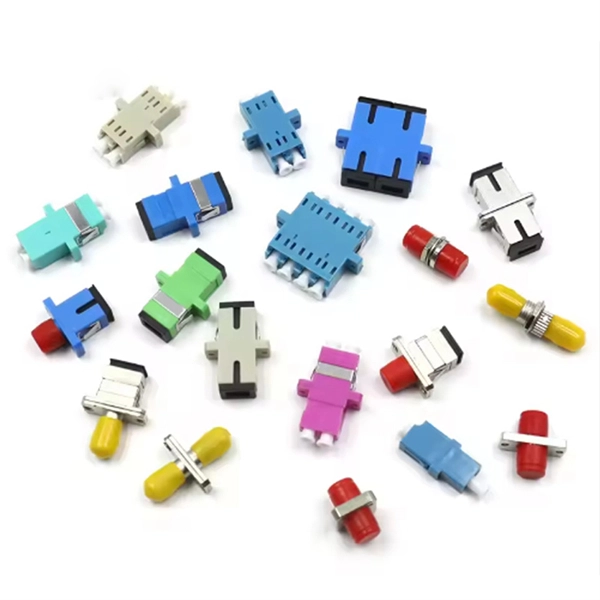
Illustrative equipment image

Fiber Optics Fundamentals: SMF, MMF & Link Budget | Cinch

Fiber optic cables are essential components in modern data transmission infrastructure. They support high-speed, interference-resistant communication and are particularly effective in

Handbook – Optical fibres, cables and systems

ITU-T has been active in the standardization of optical communications technology and the techniques for its optimal application within networks from the infancy of this industry. However, it is not always

Access Optical Cable & Fiber Access Cable

Access optical fiber cable, also known as access cable, is a high-performance solution designed to meet the demands of modern network environments. It is

Fiber Optic Cables Types for Metro Networks & FTTH Access Network

As a professional optical cable manufacturer, UnitekFiber provides a full product range covering all scenarios of metro backbone transmission and last mile access cabling, fully supporting global

Fiber Optic Cable Types: A Complete Guide

The plethora of fiber optic cable types can seem overwhelming, but choosing the right cable for the job is important. Read on to learn what fiber optic

Fiber-optic cable

A fiber-optic cable, also known as an optical-fiber cable, is an assembly similar to an electrical cable but containing one or more optical fibers that are used to carry light.

Fiber Optic Systems

View the reference architecture highlighting structured cabling solutions for installations using NVIDIA GPU servers and switches. It is designed to help

Fiber-optic cables | Phoenix Contact

Whether over short, medium or long distances, at speeds of less than 100 Mbps or up to 40 Gbps, or within bus or Ethernet structures, there is the right cable for

Fiber Optic Cable Range: Comprehensive Guide

In this comprehensive guide, we''ll explore fiber optic transmission distances, the factors that determine maximum range, and how to optimize your

Complete Guide to UTP, STP, and Fiber Optic Network Cables

Whether you are architecting a high-density data center or a distributed enterprise office, selecting the appropriate medium between Unshielded Twisted Pair (UTP), Shielded Twisted Pair

Understanding Fiber Optic Transmission Windows and Wavelength

Optical transmission windows are specific wavelength ranges where light travels through fiber with minimal attenuation (signal loss) and dispersion (distortion). These low-loss windows are

Optical fiber

An optical fiber, or optical fibre, is a flexible glass or plastic fiber that can transmit light from one end to the other. Such fibers are widely used in fiber-optic

Optical Fibre Cable

In optical fiber communication, metal wires are preferred for transmission because the signals travel more safely. Optical fibers are also resistant to electromagnetic interference.

Fibre Channel

Fibre Channel typically runs on optical fiber cables within and between data centers, but can also run on copper cabling. Supported data rates include 1, 2, 4, 8, 16, 32, 64, and 128 gigabit per second

Optical Fibre Cable: Working, Applications & More

Innovation of Optical fibre cable(OFC) has kept demand rolling for high internet speeds with high quality and consistency. Check out this STL blog to know more about Optical Fibre Cables.

Why Is the FTTH Cabling System Divided Into Multiple Cable Segments

Why Is the FTTH Cabling System Divided Into Multiple Cable Segments Fiber-to-the-home (FTTH) fiber optic cabling is generally divided into the trunk part, distribution part, the introduction part, and

Fiber Optic Cable Types – Multimode and Single Mode

Fiber Optic Cable Types – Multimode and Single Mode Application Fiber Optic connectors and cables are present in nearly every communications

Home -The Fiber Optic Association

Many of the updates are for new technologies which are reshaping the fiber optic industry like coherent transmission, BI fibers, etc. We''ve also added a section on

Related Video Reference

This video was associated with the source search result. Verify technical details against current product documentation and project requirements.

Share your network requirements

Share the fiber interfaces, termination capacity, cable route and evidence required for handover.

Send a project brief