
How can one identify a broken fiber optic cable?
To identify a broken fiber optic cable, start by performing a visual inspection for any physical signs of damage, such as bends, cracks, or breaks...
Search optical fiber, connectivity, cable management and network infrastructure references.
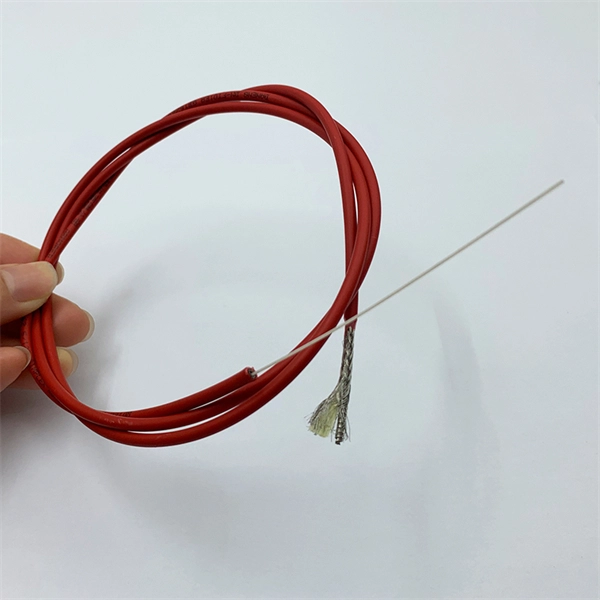
Home and business fiber optics projects typically range from a few hundred to several thousand dollars, depending on run length, fiber type, and labor needs. The main cost drivers are materials, installation time, and environmental factors that affect trenching, conduit, and...
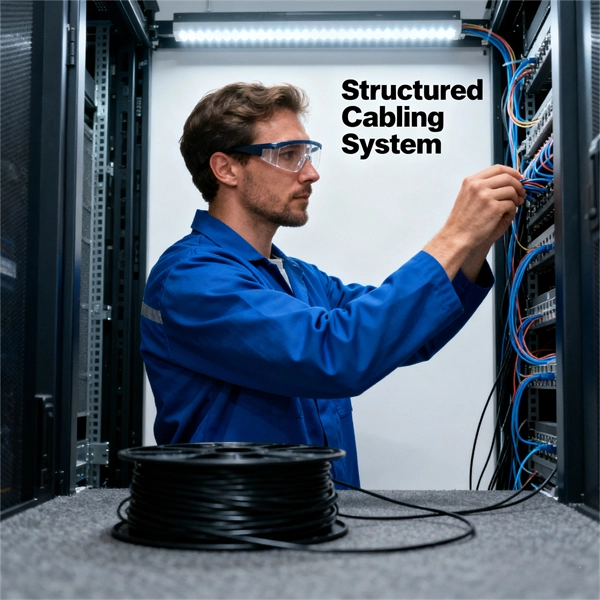
Fiber Optic Cable Distance: A Comprehensive GuideLearn all about fiber optic cable distance and the key factors that affect it. Find out how to select the.
[PDF Version]
Most residential jobs finish within a few hours. Larger business projects might span several weeks. We want to clear up the confusion around these schedules. Every building has unique needs. Some homes have existing conduits ready for use, while other properties require new...
[PDF Version]
While routers, switches, and transceivers often have upgrade cycles of 3 to 5 years, properly installed and maintained fiber cabling systems can last 15 years or more — spanning multiple hardware generations. Effective lifecycle management of fiber optic cables, from...
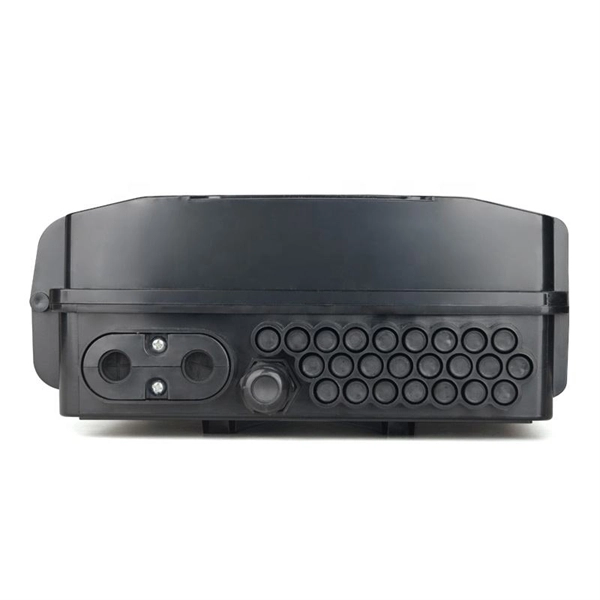
Fiber Optic Troubleshooting Guide: Problems, Tools & SolutionsLearn how to troubleshoot fiber optic cables with common problems, a step-by-step process, es.
[PDF Version]To identify a broken fiber optic cable, start by performing a visual inspection for any physical signs of damage, such as bends, cracks, or breaks...
There are several methods to test fiber optic cables without a tester. One method is using a visual fault locator (VFL), as mentioned earlier, to v...
Intermittent fiber optic connections can be caused by a variety of factors, including: Poorly terminated connectors or splices that result in unsta...
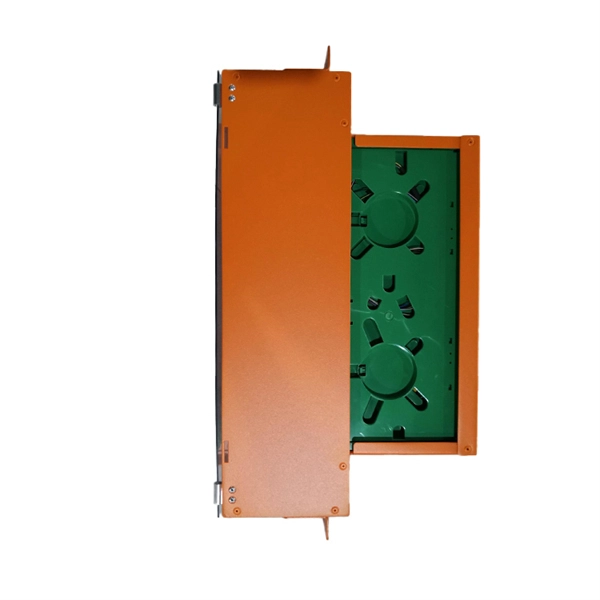
This wikiHow article will teach you how to splice a cut fiber optic cable back together with a fiber optic stripper and cutter and a fiber optic crimper. Trim off any frayed or damaged ends of the cable. If you have the right tools and knowledge, you can definitely find the...
[PDF Version]
Despite broadband being essential infrastructure for conducting basic socio-economic activities and reducing inequality and the digital divide, expanding broadband coverage in rural areas remains a sig.
Fiber optic cable burial depth typically ranges from 12-48 inches (30-120 cm) depending on soil, climate, cable type, and installation method. 5 meters, balancing protection with installation cost and accessibility. With fiber deployments accelerating in urban and rural...
[PDF Version]
In a typical setup, the connection consists of a shorter cable plugged into the front side of the patch panel and a longer cable plugged into the back. In this way, the panel can take the place of otherwise expensive switching equipment. Struggling with Wi-Fi coverage over...
[PDF Version]
On average, Single-mode (OS2) ranges from $0. Factors like armor, jacket rating (LSZH), and raw material indices influence the final ex-factory price. Commercial building installations with 100-200 network drops generally range from $15,000 to $30,000. Single-mode fiber costs...
Fiber optic cable installation costs average $4,500 for most homeowners, with most installations ranging from $1,500 to $7,000. This guide will walk you through the key factors to consider when budgeting for your optical fiber network installation, ensuring you make informed...
[PDF Version]Share the fiber interfaces, termination capacity, cable route and evidence required for handover.