Skip to content
AK OPTICALSystems Send a project enquiry
Reference library

Fiber Optic Cable Network Distribution

Published
  • Fiber
  • Optic
  • Cable
Source context

AI source overview

A Fiber Optic Cable Distribution Network is a structured system that delivers optical signals from a central office to end users using passive and active components, ensuring high-speed, reliable connectivity.

Overview

A Fiber Optic Cable Distribution Network consists of interconnected components that transmit data via light signals over optical fibers. It typically includes a central office or data center, an Optical Distribution Network (ODN), and end-user devices such as Optical Network Units (ONUs) or Optical Network Terminals (ONTs). The network is designed to support high-speed broadband, voice, and video services while maintaining signal integrity and scalability.

Optical Distribution Network (ODN)The ODN is the passive portion of the network that connects the Optical Line Terminal (OLT) at the central office to ONUs/ONTs at customer premises. It requires no external power and guides optical signals through fibers, splitters, connectors, and closures.

The OD

N is typically structured in three hierarchical segments: Feeder Section: Runs from the OLT to the first optical splitter, covering long distances. Distribution Section: Extends from primary splitters to secondary splitters or distribution points, branching toward user clusters. Drop Section: Connects the last splitter to individual ONUs/ONTs at customer premises.

This tree-like topology, common in GPON and EPON deployments, ensures efficient signal distribution with minimal loss.

Key Components

Optical Fiber Cables: Single-mode fibers are commonly used for long-distance, high-speed transmission. They consist of a core, cladding, and protective coating to maintain signal quality.

Optical Splitters/

Couplers: Passive devices that divide one optical signal into multiple outputs, supporting ratios like 1: 8, 1: 16, or 1: 64 depending on user density. Connectors and Adapters: Ensure precise alignment of fiber ends for low-loss connections. Patch Panels and Fiber Distribution Frames (FDF/ODF): Centralized points for managing, splicing, and interconnecting fibers.

They protect splices, organize cables, and facilitate maintenance. Splice Enclosures: Protect fiber splices from environmental damage and allow network expansion or repair. Patch Cords and Pigtails: Short fibers that connect devices to distribution points, enabling flexible network management.

Fiber Management Hardware

Fiber management systems, such as Corning's Centrix™ and Eclipse® systems, provide high-density, scalable solutions for organizing fibers, jumpers, and connectors in central offices, data centers, and FTTx deployments. Features include: Optimized routing paths to prevent entanglement. Modular designs for incremental growth.

Integrated slack storage for buffer tubes and pigtails. Support for various network architectures, including 5G, Fiber Deep, and NG-PON networks.

Design and Deployment Considerations

Designing a fiber optic distribution network involves: Determining the communication system and geographic layout (premises, campus, or outside plant). Selecting transmission equipment and fiber types. Planning permits, easements, and inspections.

Component selection, installation practices, testing, and troubleshooting. Documentation, maintenance, and restoration planning. Proper design ensures network reliability, scalability, and cost efficiency, while minimizing downtime and signal loss.

Conclusion

A Fiber Optic Cable Distribution Network integrates passive and active components to deliver high-speed optical signals from central offices to end users. Its hierarchical structure, including ODNs, ODFs, and fiber management systems, ensures efficient signal distribution, easy maintenance, and scalability for future network growth.

Research context

Reference summary

Fiber Distribution | Fiber Distribution Architecture | CorningConnect with the solution that best fits your communications network by leveraging Corning's.

From reference to enquiry

Questions for your project

Use these editorial prompts alongside the linked excerpts. They identify items to confirm for your project.

Technical notes

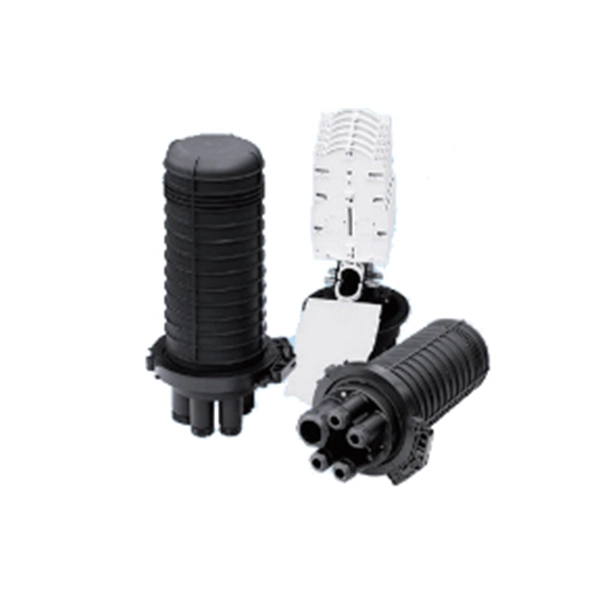
Illustrative equipment image

Fiber Distribution | Fiber Distribution Architecture | Corning

Connect with the solution that best fits your communications network by leveraging Corning''s full portfolio of fiber optic hardware solutions. You''ll find an option for any network architecture, anywhere.

Fiber Optic Network Design & Deployment Guide

Discover how to design & deploy Fiber optic networks for modern telecom. Learn planning, budgeting, documentation, and best practices for success.

The Complete Guide to Fiber Optic Network Design and

In this broad guide, we will run through why, what, and how of Fiber optic network design and deployment — covering planning, challenges, best

What is Optical Distribution Frame in Telecom Networking

What is Optical Distribution Frame. An Optical Distribution Frame (ODF) is the central hub of your fiber optic network. It manages the connection, splicing, and distribution of optical signals in a

The FOA Reference For Fiber Optics

New network architectures have been developed to reduce the cost of installing high bandwidth services to the home, often lumped into the acronym FTTx for "fiber to

Fiber Optic Network Design & Deployment Guide

As the world races toward faster, more reliable digital communication, Fiber optic networks stand at the core of telecom innovation. Fiber optics bandwidth,

Fiber Optic Cables | Corning

With 2 billion kilometers of fiber optic cables installed around the globe, Corning continues to lead the industry in product quality and innovation.

The FOA Reference For Fiber Optics

Most FTTH networks are based on a PON network. The drawing below defines the network: a "feeder" cable extends from the OLT (optical line terminal) in the CO

Exploring the Importance of Distribution Fiber Optic Cables

"Fiber optics marked a significant turning point in the history of telecommunications, allowing for a leap in both speed and efficiency." In summary, the right

What Is Fiber Optic Cable?

A fiber optic cable is a long-distance network telecommunications cable made from strands of glass fibers that uses pulses of light to transfer data.

Everything Involved in Fiber Optic Networks

Fiber Optic Tutorial presented by LANshack . Learn about fiber optic basics, fiber, jargon, cable, termination, network, estimation, testing, training, and glossary.

Ultimate Guide to Fiber Optic Distribution Box: Types

A fiber optic distribution box serves as a central point for fiber optic cable termination, splicing, and distribution. It provides protection and

Fiber Distribution Hubs

What Is a Fiber Distribution Hub? A fiber distribution hub (FDH) is a secured cabinet that houses the juncture between a network''s optical splitters and it''s cables in the outside plant part of the network.

Building Your Fiber Network

Open Technology/Fusion Splice Terminations • FieldSmart® FDP Pedestals are deployed to provide the connections between distribution cabinet and final drop points. Fiber cable is accessed in FDP

A Guide to Fiber Optic Network Planning and Design

Fiber network design is only possible with appropriate networking equipment, such as fiber optic cables, connectors, termination boxes, splicing equipment, and active components (for

What Is Fiber Optics? A Guide

Fiber optic cables are often used to transmit data and control signals in environments where high-powered motors, heaters, and similar equipment generate a great deal of interference.

White Paper: FTTH architecture overview

Fiber indexing offers several attractive benefits to service providers choosing a distributed architecture for their access network. Using the same terminal, same splitters, same fiber cable and adding cable

What Is Fiber Optics? Definition from SearchNetworking

What is fiber optics? Fiber optics, or optical fiber, refers to the technology that transmits information as light pulses along a glass or plastic fiber. A fiber optic cable can contain a varying

Share your network requirements

Share the fiber interfaces, termination capacity, cable route and evidence required for handover.

Send a project brief