Skip to content
AK OPTICALSystems Send a project enquiry
Reference library

Fiber Optic Cable Planning and Design for Distribution Network Automation

Published
  • Fiber
  • Optic
  • Cable
Source context

AI source overview

Effective fiber optic planning for distribution network automation combines strategic network design, capacity planning, and automated software tools to optimize deployment, performance, and maintenance. Key Steps in Fiber Network Planning1. Define Requirements and Objectives Start by identifying the coverage area, expected bandwidth demand, number of users, and specific services or applications the network must support.

Consider both current and future growth to ensure scalability and reliability. 2. Network Topology and Equipment Selection Choose the network topology (ring, star, or hybrid) and select appropriate equipment, including fiber cables, connectors, termination boxes, splicing tools, and active components like switches and routers.

Equipment placement should minimize signal loss, ensure redundancy, and allow for easy maintenance. 3. Capacity and Bandwidth Planning Estimate subscriber numbers, service types, and anticipated growth.

Incorporate network management systems and monitoring tools to automate repetitive tasks, detect faults, and optimize performance. 4. Permits, Civil Works, and Documentation Plan trench layouts, duct profiles, manhole placements, and civil details for permit applications.

Ensure compliance with local operator standards and regulations, especially for greenfield and brownfield projects. Automation Tools for Fiber Network Design1.

Fib

Planner Integrated with ArcGIS Pro, FibPlanner automates FTTH network design, including trench routes, ducts, cable paths, and fiber distribution. It supports scenario-based analysis, cost estimation, and seamless transition from high-level design (HLD) to low-level design (LLD), improving accuracy and efficiency. 2.

Comsof Fiber (IQGeo) Comsof Fiber provides automated planning and optimization algorithms that reduce end-to-end design time by up to 90% and lower total build costs by up to 10%. It allows engineers to compare multiple scenarios, optimize existing infrastructure, and scale network deployment rapidly. 3. dpCom (Digpro) dpCom offers advanced planning, design, and operational tools for fiber networks.

It enables planners to create optimized designs, manage costs, and provide field engineers with detailed network data. The software supports version control, GIS integration, and real-time decision-making for sustainable network operations. Testing, Monitoring, and MaintenanceOngoing monitoring is critical for network integrity.

Active fiber monitoring (AFM) detects degradation, outages, or power disruptions. Automated tools can locate faults quickly, reducing mean time to repair (MTTR) and ensuring uninterrupted service.

Best Practices

Use GIS-based planning for accurate mapping and spatial analysis. Automate repetitive design tasks to reduce errors and improve efficiency. Plan for redundancy and scalability to accommodate future growth.

Integrate monitoring and performance management tools for proactive maintenance. Ensure compliance with local standards and obtain necessary permits before deployment. By combining strategic planning, automated design software, and proactive monitoring, operators can efficiently deploy fiber optic networks that support distribution network automation, reduce costs, and enhance service reliability.

Research context

Reference summary

Fiber Network Planning and Design (FTTH/FTTP /FTTx )Fiber optic network design involves the planning, routing, and drafting of Fiber cable layouts to suppo.

From reference to enquiry

Questions for your project

Use these editorial prompts alongside the linked excerpts. They identify items to confirm for your project.

Technical notes

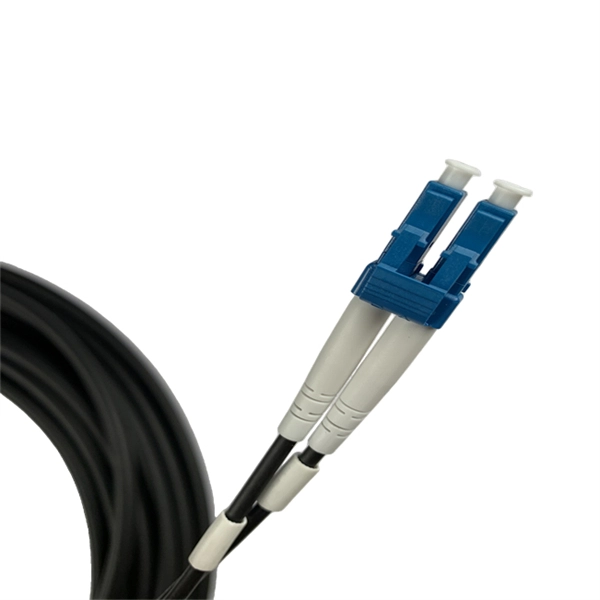
Illustrative equipment image

Fiber Network Planning and Design (FTTH/FTTP /FTTx )

Fiber optic network design involves the planning, routing, and drafting of Fiber cable layouts to support high-speed data transmission. It includes detailed mapping of backbone, distribution, and drop

The Complete Guide to Fiber Optic Network Design and

In this broad guide, we will run through why, what, and how of Fiber optic network design and deployment — covering planning, challenges, best

Automated fiber network planning and design software | IQGeo

The leading automated fiber planning and design software for telecom operators and engineering firms who want to quickly and cost-effectively scale their fiber-optic networks.

Transforming Fiber Optic Network Design

Introducing CyPlanIQ has brought challenges associated with the design, documentation, and management of fiber optic networks. Empower your network design engineers and planners with

Designing Scalable Fiber Optic Networks

As enterprise demand for bandwidth, reliability, and scalability grows, traditional copper-based or single-tier fiber solutions fall short. This white paper

FibPlanner FTTH Network Design Automation

Elevate and accelerate your FTTH (Fiber to the Home) network design with FibPlanner, our cutting-edge solution, fully integrated within ArcGIS Pro.

Fiber Optic Network Design: 10 Powerful Tips for

Learn fiber optic network design basics, best practices, and cost-saving tips to build fast, reliable, and scalable fiber networks.

FTTH Planning and Design 101: Tools, Software, and What''s Next

It requires careful FTTH planning, smart software tools, and a deep understanding of network design principles. In this post, we''ll explore everything about FTTH planning tools, giving you

The FOA Reference For Fiber Optics

Fiber To The Home Network Design There is really no way to generalize on the design process for fiber to the home (FTTH) networks - or any fiber optic network

Planning Fiber Optic Network

Effectively design and deploy bandwidth-rich networks for major types of data traffic. Covering both short-reach and long-haul networks, Planning Fiber Optic Networks provides full details on all major

(PDF) Optical Fiber Network Design

PDF | This project includes the preparation of a detailed conduit map and optical fiber schematic diagram map, Defining the topology and active... |

Design Guide

Documenting the fiber optic cable plant is a necessary part of the design and installation process for the fiber optic network. Documenting the installation properly as part of the planning process can save

The FOA Reference For Fiber Optics

Fiber Optic Network Design Jump To: The Communications System Cabling Design Choosing Transmission Equipment Planning The Route Choosing Components Cable Plant Link Loss Budget

Designing a fiber optic network

A well-designed fiber optic network is key to operative performance, expandability, and, ultimately, the network owner''s business. Here you can learn

How to optimize the design and implementation of fiber optic networks

This all points to fiber optic networks expanding exponentially because of the high demand for data services, both residential and commercial, and the new backhaul of wireless services from cell towers.

Fiber Optic Network Design: Comprehensive Guide to Planning and

Dive into critical aspects of fiber optic network design, including needs assessment, cable selection, topology planning, and installation best practices. The guide also covers maintenance,

(PDF) Distribution automation applications of fiber optics

An optical position-indicator design is discussed. Systems aspects of distribution automation are discussed, in particular, the lack of interface, communications, and data standards.

Optical Network Design and Transport

This Telecom Insights guide to best practices for optical network design looks at access, metro and core network issues affecting fiber deployment. Fiber-optic technology -- not long ago used only in long

Share your network requirements

Share the fiber interfaces, termination capacity, cable route and evidence required for handover.

Send a project brief