
Technical notes
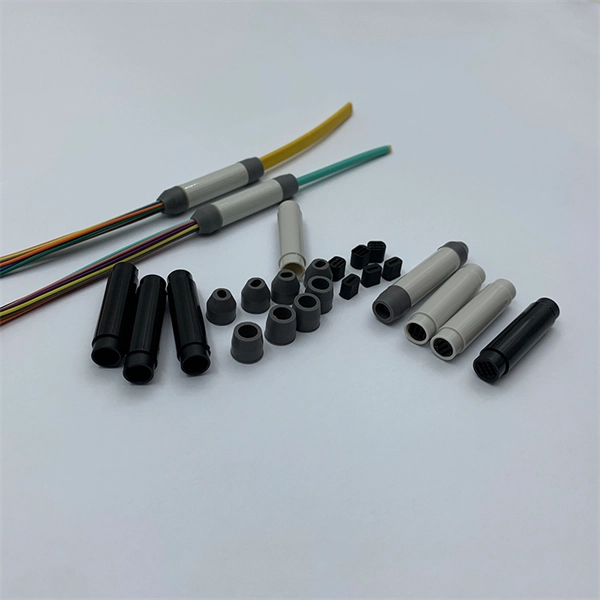
Cable Protection Pipe Systems | Pipelife
Either rigid or flexible, made of PE, PP or PVC, sand-proof, waterproof or fireproof, our wide range of cable protection pipes offer you peace of mind with fast, flexible and reliable installations.
Protective Pipes and Sleeves for Powerlines | Pipelife
We produce a wide variety of protection pipes in PE and PVC for telecommunication and power cables, which can also be used for underground and underwater
Eupen Cable: plastic pipes for the protection of cables and wires
Our cable protection solutions offer excellent mechanical resistance and are fully watertight. Our product range comprises protection pipes for medium or low voltage cables as well as for telecommunication,
Fiber Optic Conduit and Innerduct: Protection Best
This guide covers the essential protection practices for fiber optic conduit and innerduct installations, from material selection through sealing,
Fiber optic protective pipes
We offer a wide range of sizes and color-coded pipes for easy identification on-site. Choose our products for the assurance that your fiber optic network will be protected for years to come.
Split Pipe
The strength and simplicity of the Protectorshell split pipe makes it a viable solution to a wide range of cable and flow line protection problems, both on land and at sea.
EVODUCT Optical cable pipes
The conduits can be buried directly in the soil, in concrete, or through water barriers, in concrete pipes, channels and blocks, along bridges and flyovers. The conduits
Fiber Optic Cable Protection | Essentra Components US
Fiber optic cable protection tube and fiber and optic protection tubing online at Essentra Components US. Download our latest catalog, get free quotes and samples, view 3D CADs.
Tubes and plastic tubes | WEINERT Industries AG
Protective tubes are available for various optical fiber assemblies, to protect against damage from longitudinal and transverse forces, and various environmental factors.
The FOA Reference For Fiber Optics
Outside Plant Fiber Optic Cable Jump To: Fiber Optic Cable Construction Fiber Optic Cable Types Cable Design Criteria Choosing Cables Cable Types: (L>R):
Optical fiber
An optical fiber, or optical fibre, is a flexible glass or plastic fiber that can transmit light from one end to the other. Such fibers are widely used in fiber-optic
Protective pipes for fiber optic cables
Protective polyethylene pipes with an outer diameter from 25 mm to 110 mm for laying communication cables and cable pipelines in them. Pipes are designed for
Fiber Optic Cable Protection Solutions (Microducts)
Fiber Optic cable protection solutions consist of Microducts, Flat Duct, Flat Flex Duct, Duct and Indoor Microducts options.
HDPE optical cable protection pipes
These pipes for cable protection are proven on many projects including the thousands of kilometers of fiber optic cable laid across the Balkan. Thanks to its exceptional characteristics ensure the full
Fiber Optic Cable Protection | Essentra Components US
Fiber optic protection tubing components are used to ensure the safety and longevity of fiber optic cables. They safeguard and protect the sensitive fiber optic wires from external factors such as
Protecting Fiber Optic Cables: A Comprehensive Guide to Ensuring
In conclusion, protecting fiber optic cables is a multifaceted challenge that requires careful planning, the use of appropriate materials and technologies, and a commitment to ongoing
Cable Protection Pipe Systems | Pipelife
PE Cable Protection Pipes Both flexible and durable, PE systems are ideal for challenging terrain and withstand ground pressure and mechanical stress. Our
Flex Tube: For durable protection of fibre optic, coaxial and signal cables
In order to protect your fibre optic cables, coaxial and signal cables from excavation work and chemical influences from the ground, Electroplast has the Flex Tube. This is ideal for small cable diameters.
Related Video Reference
This video was associated with the source search result. Verify technical details against current product documentation and project requirements.