Skip to content
AK OPTICALSystems Send a project enquiry
Reference library

Fiber Optic Cable Safety Protection Level Standards

Published
  • Fiber
  • Optic
  • Cable
Source context

AI source overview

Fiber optic cable protection standards ensure reliable performance, safety, and longevity through adherence to international, national, and industry best practices.

Key International and Industry Standards

Fiber optic cables are governed by a combination of international, national, and voluntary standards that define mechanical, optical, and environmental requirements: IEC Standards: The International Electrotechnical Commission (IEC) defines technical specifications for fiber optic cables, including IEC 60793 for optical fibers and IEC 60794 for cable construction, mechanical performance, and environmental testing. ITU-T Recommendations: ITU-T standards such as G. 652, G.

655, and G. 657 specify single-mode fiber characteristics, including attenuation, dispersion, and bend insensitivity, which are critical for long-term reliability.

TI

A Standards: The Telecommunications Industry Association (TIA) provides standards like TIA-568.3-D for optical fiber cabling performance, testing, and installation practices, including polarity, loss, and connector requirements. Telcordia GR-20: Focuses on reliability and environmental performance for outside plant fiber optic cables, including tensile strength, crush resistance, and temperature tolerance. ISO/IEC 11801: Defines generic cabling standards for enterprise networks, ensuring interoperability and performance across different manufacturers.

FOA Installation and Protection Guidelines

The Fiber Optic Association (FOA) provides practical, field-oriented standards for cable protection and installation: Mechanical Protection: Cables must be protected from excessive tension, bending, and crushing during installation and operation. Minimum bend radii and pulling tensions are specified to prevent fiber damage. Environmental Protection: For underground, aerial, or duct installations, FOA standards recommend protective conduits, proper burial depth, and weather-resistant sheathing to prevent moisture ingress, UV damage, and rodent attacks.

Testing and Verification: FOA standards outline OTDR testing, insertion loss measurement, and connector inspection to ensure installed cables meet performance requirements. Safety Compliance: While FOA standards are voluntary, they complement NEC and NESC codes, which govern electrical clearances, aerial installation safety, and general workplace safety.

Practical Considerations for Cable Protection

Aerial Installations: Follow NEC/NESC guidelines for communication space, pole attachment, and grounding. Use messenger wires or armored cables for additional mechanical support. Underground Installations: Use conduits, warning tapes, and proper burial depth to prevent accidental damage.

FO

A recommends marking and documentation even if not legally required. Indoor Installations: Maintain proper bend radii, avoid sharp edges, and use protective raceways or trays to prevent mechanical stress. Environmental Testing: Cables should be tested for temperature extremes, moisture, and UV exposure according to IEC and Telcordia standards to ensure long-term reliability.

Summary

Fiber optic cable protection standards combine international technical specifications, industry best practices, and field-oriented guidelines to ensure safe, reliable, and high-performance networks. Compliance with IEC, ITU-T, TIA, Telcordia, ISO/IEC, and FOA standards addresses mechanical, optical, and environmental protection, while adherence to NEC/NESC codes ensures safety in aerial and underground installations. Regular testing, proper installation techniques, and environmental safeguards are essential for maintaining network integrity and longevity.

Research context

Reference summary

Fiber Optic Cable Standards: Full List & Best PracticesDiscover the ins and outs of fiber optic cable standards and best practices in this comprehensive gu.

From reference to enquiry

Questions for your project

Use these editorial prompts alongside the linked excerpts. They identify items to confirm for your project.

Technical notes

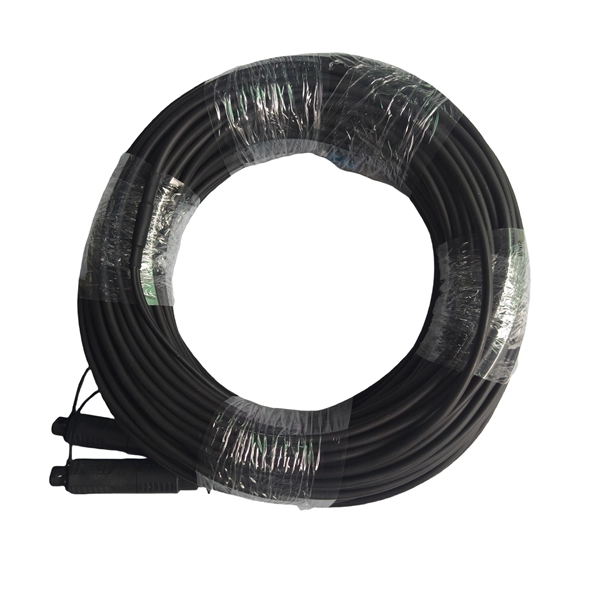
Illustrative equipment image

Fiber Optic Cable Standards: Full List & Best Practices

Discover the ins and outs of fiber optic cable standards and best practices in this comprehensive guide. Learn about safety precautions, personal protective equipment (PPE), electrical hazard avoidance,

Fiber Testing Standards 2025 Guide for IEC and TIA Compliance

You need to follow fiber testing standards like IEC, TIA, and FOA in 2025 to protect your network. These standards help you avoid legal trouble, reduce insurance risks, and keep your

Complete List of ISO/IEC Fiber Optic Cable Standards for Importers

Importing fiber cable? Don''t get stuck at customs. We explain the Standardsessential IEC 60793, 60794, and Fire Safety standards you must include in your RFQ.

5 Vital Safety Rules for Fiber Optic Cables | Fluke Networks

Here are 5 vital rules for staying safe when you''re working on fiber optic cables. 1. Know the standards that apply to your work.

Handbook – Optical fibres, cables and systems

ITU-T has been active in the standardization of optical communications technology and the techniques for its optimal application within networks from the infancy of this industry. However, it is not always

The FOA Reference For Fiber Optics

Note: Installation of fiber optic cabling does not normally involve electrical hazards unless the cable includes conductors. However, these cables are often installed

Handbook – Optical fibres, cables and systems

The simultaneous availability of compact sources and of low-loss optical fibres led to a worldwide effort for developing optical fibre communication systems. The real research phase of fibre-optic

Lifeline QFCI Fire Resistant Fiber Optic Cable

If it is not UL 2196 listed, how is the Lifeline QFCI Fire Rated? Standard covering Fiber Communication cables. This is the standard most commonly used through most of the world and is trusted to ensure

Safety In Fiber Optic Installations

Eye Safety Optical sources used in fiber optics, especially LEDs used in premises networks, are of much lower power levels than used for laser surgery or cutting materials. Even the output of OTDRs, WDM

Comprehensive Guide to Fiber Optic Safety – trueCABLE

Navigate the intricacies of fiber optic safety with an authoritative guide on handling hazards, protective gear, and best practices.

Choosing Fiber Cable Protection to Meet Fire Regulations

Advice on picking the best fiber cable protection against fire in the United States and Europe, balancing spread of fire against smoke and toxicity.

Fiber Optic Safety precautions | HARDWARE

1. GENERAL this document describes the general safety precautions that should be adhered to while working in the Fiber Optic industry. Not all of these admonishments will apply to every situation, but

Fiber Testing Standards 2025 Guide for IEC and TIA

Stay compliant in 2025 with updated fiber testing standards for IEC and TIA. Learn key procedures, documentation tips, and legal requirements for

DG-1427 (RG 1.257 Rev 0) Qualification of Fiber-Optic Cables

This RG endorses, subject to the conditions described in Section C of this RG, the Institute of Electrical and Electronics Engineers (IEEE) Standard (Std.) 1682-2023, “IEEE Standard for Qualifying Fiber

Understanding the Safety Classifications of Fiber Optic Light Sources

Fiber optic systems are critical in modern telecommunications, but their light sources—especially lasers and LEDs—can pose serious risks to eyes and skin if not properly

FOA Standard For Installing Fiber Optic Cable Plants

Safety issues unique to fiber optic installations specifically includes avoiding exposure of the eyes to light radiation carried in the fiber; proper disposal of fiber scraps produced in cable handling and

Standard for Installing and Testing Fiber Optics

Safety in fiber optic installations specifically includes avoiding exposure to light radiation carried in the fiber; disposal of fiber scraps produced in cable handling and termination; and safe handling of

ANSI/TIA-568.3-E: Optical Fiber Cabling and Components Standard

ANSI/TIA‑568.3‑E “Optical Fiber Cabling and Components Standard” was developed by the TIA TR‑42.11 Optical Fiber Systems Subcommittee and published in September, 2022.

Related Video Reference

This video was associated with the source search result. Verify technical details against current product documentation and project requirements.

Share your network requirements

Share the fiber interfaces, termination capacity, cable route and evidence required for handover.

Send a project brief