
Technical notes
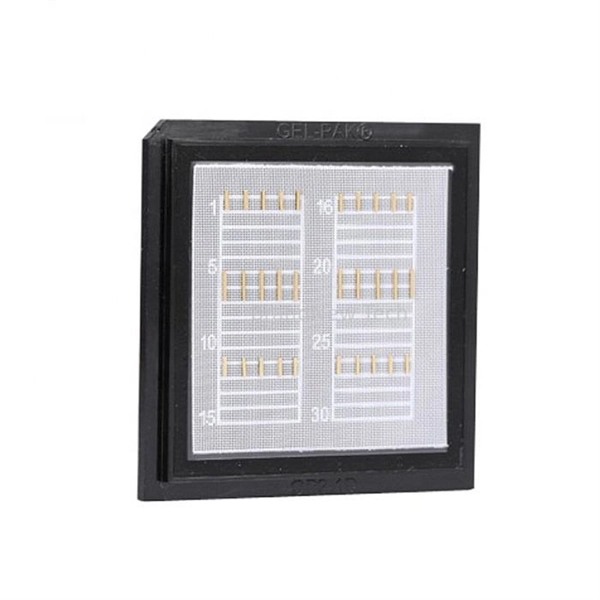
Hermetic Epoxy Sealing for Fiber Optic cables
Because epoxy sealing technology is highly adaptable, designers can achieve a custom hermetic fiber optic seal no matter the cable construction, configuration
FIBER OPTIC CONSTRUCTION STANDARDS
Fiber optic cable sequential numbers are required at each pole location and vault wall. Sequential numbers will identify conduit length, and slack left in vaults and at poles.
Hermetic Epoxy Seals Protect Optical Fiber & Ensure Signal Quality
OVERVIEW Douglas is able to create fiber optic penetrations so dense that the fiber connectors cannot fit thru the mounting hole. An epoxy seal will resist environmental conditions such as shock and
Fiber Optic Splice Closure Guide | Structure, Types
Comprehensive guide to fiber optic splice closures covering structure, fiber management systems, sealing design, mid-span access, UV-resistant
Optical Fiber Cable Optical Fiber Cable In
All Fiber Optic Cable reels should be stored upright Laying the reel on its side may cause damage to the reel flange and/or cause the cable layers to shift – This may cause cable to snag during de-reeling.
WaveGuide Seal ES
The ground-breaking Roxtec solution for non-metallic fiber optic cable entries combines proven waveguide technology with certified sealing performance.
What are Pros and Cons for Different Sealing Methods of Fiber Splice
Sealing methods for fiber optic splice closures are critical for the following reasons. First, it protects against environmental hazards such as moisture, dust, and debris that can damage delicate fiber
Roxtec makes triple protection seal for fiber optic cables
The Roxtec multi-protection seal for fiber optic cables will meet the demand for protection against fire, water and electromagnetic threats.
FSA Fiber Optic Sealing Assemblies
FSA Fiber Optic Sealing Assemblies Conax Technologies has adapted our proven soft sealant capability to include the ability to compress a soft sealant material around the outside diameter of a fiber optic
WORKMANSHIP STANDARD FOR FIBER OPTIC TERMINATIONS, CABLE
Purpose This Standard sets forth termination and cabling requirements for optical fiber and cable assemblies.
The FOA Reference For Fiber Optics
Outside Plant Fiber Optic Cable Jump To: Fiber Optic Cable Construction Fiber Optic Cable Types Cable Design Criteria Choosing Cables Cable Types: (L>R):
FIBER OPTIC CABLE ASSEMBLY MANUFACTURABILITY AND
The purpose of this document is to define the standards and guidelines that should be followed in order to fabricate a harsh environment fiber optic cable assembly. Environmental requirements such as
FOA Standard For Installing Fiber Optic Cable Plants
The type of fiber optic cable and the fibers in the cable should be chosen appropriate for the type of communications system(s) being supported, the type of installation and the environment in which the
Standard for Installing and Testing Fiber Optics
Safety in fiber optic installations specifically includes avoiding exposure to light radiation carried in the fiber; disposal of fiber scraps produced in cable handling and termination; and safe handling of
Optical Fiber Sealing: Solder vs. Solder Glass
Described in this paper is an alternative way of sealing an optical fiber at a much lower cost than soldering, with an equal to or lower susceptibility to creep and misalignment of the fiber, and higher
Handbook – Optical fibres, cables and systems
Optical fibre, cables and systems - iii - PREFACE The invention of the laser and its demonstration is dated 1960. It was suggested in 1966 that optical fibres might be the best choice for using laser light
Lashed Aerial Installation of Fiber Optic Cable
an existing lashed fiber optic or copper cable. This method of aerial cable installation, “overlashing,” is attractive because the expense of providing a separate suspens
Fiber Optic in Hazardous Areas
Where a fiber optic cable assembly contains conductors that are capable of carrying current, the fiber optic cable assembly shall be installed in accordance with the requirements of
Related Video Reference
This video was associated with the source search result. Verify technical details against current product documentation and project requirements.