
Technical notes
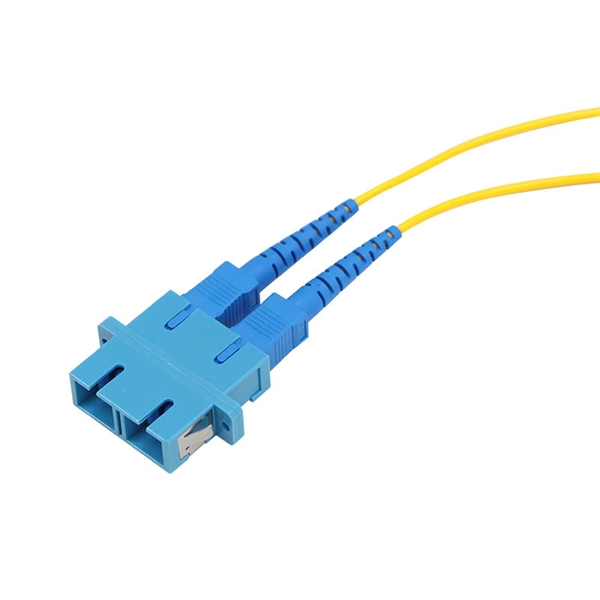
Fiber Optic Cable Splicing Methods: A Practical Guide
The two primary industry-accepted methods for fiber optic cable splicing are fusion splicing and mechanical splicing. The choice between them depends on performance requirements,
The Complete Step-by-Step Guide to Fiber Optic Splicing
In this guide, we cover the basics of fiber optic splicing, how to perform splicing using two different methods, and finally some best practices to perform good
Fiber Cable Mechanical Splicing Guide Using Fiber Splice Trays
Learn how to perform mechanical fiber cable splicing inside fiber enclosures using fiber splice trays. This step-by-step guide covers fiber preparation, alignment, splicing, protection, and
Fiber Optic Splice Boxes: Selection Criteria, and
A Fiber Optic splice box should not only accommodate the initial number of splices but also offer modular trays for cost-effective expansion. This prevents the need
How to Splice Fiber Optic Cable – Step-by-Step Fusion
Learn how to splice fiber optic cable using fusion splicing with this complete step-by-step guide. Includes tools, best practices, loss standards (ITU
Fiber optic cable splicing and termination steps Guide
Move the protective tube to the middle of the fiber connector; after the protective tube is cooled, remove the protective tube and confirm that there are no air bubbles in the tube.
Fiber Splicing Methods and Protection with Splice Closures
Discover the differences between fusion and mechanical splicing, learn how to ensure safe fiber optic splicing, and see why splice closures are essential for long-term network reliability.
Fiber Optic Splicing Types, Methods, and Applications
Fiber optic splicing explained with types, methods, step-by-step guide, real applications, expert tips, common mistakes, FAQs, and splicing best practices.
The Ultimate Guide to Splicing of Fiber: Techniques and Tips
Fiber optic splicing, crucial for maintaining seamless connectivity in modern communication networks, primarily uses two methods: fusion splicing and mechanical splicing.
Fiber Optic Cable Splice: The Complete Guide
This guide explores everything about fiber optic cable splice —from fiber fusion splice basics to how to splice fiber cable
Guide for splicing of fiber optic fibers | EFB-Elektronik
Splicing with fusion splicers, in particular, has become an attractive method to quickly and easily connect fiber optic fibers. Using the proper tool allows to connect the individual fibers of fiber optic cables
Splicing Fiber Optic Cables | A Beginner''s Guide
Fiber splicing is a vital technique in cable maintenance. Knowing how to splice fiber optic cables is key for data communications with superior performance.
How to Splice Fiber Optic Patch Panel 48 Core
We will learn how to deal with optical fiber. On daily bases We become a Source to teach or learn from someone because Learning is in our nature. But most of...
Two Types of Fiber Optic Termination: Connector and Splicing
Using connector or splicing to terminate fiber optic cables are the two main ways for fiber cross-connection and lightwave signal distribution. Check out this post to see the introduction to
The Fiber Optic Association
Fiber Optic Splice Closures Once fibers are spliced, they need to be protected. For protection against the outside plant environment and damage, splices require placement in a pro
The Ultimate Guide to Splicing of Fiber: Techniques and Tips
Looking to understand fiber splicing? It''s the process of joining two fiber optic cables using techniques such as fusion splicing and mechanical splicing, crucial for maintaining
Fiber Optic Splicing Made Easy Real-Time Demo!
🔧 Watch a real-time fiber optic splicing demo in action! In this step-by-step tutorial, learn how to splice fiber optic cables like a pro — perfect for telecom technicians, network engineers
What Is Fiber Optic Cable Splicing? A Beginner''s Guide
Fiber optic cables are critical telecommunications facilities. We need to connect two fiber optic cables when they are accidentally cut or lengthened.
Related Video Reference
This video was associated with the source search result. Verify technical details against current product documentation and project requirements.