
Technical notes
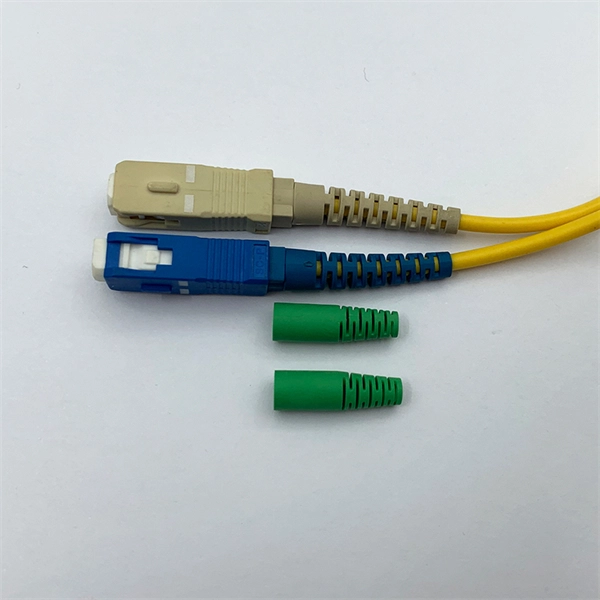
How to Splice Fiber in a Terminal Box: Complete Guide
Learn how to properly splice and manage fiber in a fiber optic terminal box. Follow this FTTH installation guide from Spring Optical for reliable fiber termination.
Fiber Internet Installation: Step-by-Step Guide (2026)
Get fiber internet installation done right for your home or business. Enjoy lightning-fast speeds and stable connections with professional setup.
Fiber Termination Box Installation & Maintenance Guide
Learn everything about fiber termination boxes—types, installation steps, and maintenance tips to ensure reliable fiber optic network performance.
Connections among Fiber Terminal Boxes & Patch Cables & Pigtails
Step 1: Access outdoor fiber optic cables into fiber terminal box for the purpose of splicing the optical fiber cable and fiber optic pigtail, leading out it by using fiber optic patch cable.
All You Need To Know About Fiber Termination Boxes:
Thus, a fiber termination box is used to terminate the optical fiber cables in the field and connect them to the pigtail by splicing. After an optical cable arrives at the
Comprehensive Guide to FTB: Installation and Maintenance
Connect Fiber Optic Cable: Connect the fiber optic cable correctly according to the instructions of the fiber optic terminal box. The corresponding label or code can be marked for each
Fiber Termination Boxes: A Beginner''s Guide to
A Fiber Termination Box, also known as a Fiber Distribution Box, is a crucial component in fiber optic networks. It serves as a termination point for
Fiber Terminal Boxes: What They Are and Why You
A fiber terminal box, also known as a fiber distribution box, is a device used in fiber-optic communication networks to terminate, splice, and distribute
Everything you need to know about fiber optic termination
We terminate fiber optic cable two ways - with connectors that can mate two fibers to create a temporary joint and/or connect the fiber to a piece of network gear or
Understanding Fiber Optic Junction Boxes: A
8. Conclusion In conclusion, fiber optic junction boxes are indispensable components in modern communication networks. Whether you''re
What is a Fiber Termination Box and How is It Used?
Conclusion The fiber optic termination box is an essential device in fiber optic networks, its stable performance and a variety of configuration options,
What is an Optical Fiber Terminal Box
1. What is Terminal Box Fiber Termination Box, also known as FTB, typically consists of two main parts: the outer shell body and the adapter tray that protects the fiber connector points. It is
Fiber Box Types and Applications in FTTH Network
The optical fiber faceplate panel is a user terminal box to realize the optical fiber to desktop connection with reasonable internal space design. It is used in home or work area to complete the
Durable FTTH Terminal Box | Fiber Termination Enclosure for Safe
FTTH Termination Box available for the distribution and terminal connection for various kinds of optical fiber system, Some are used for indoor cabling and others are designed to install on outdoor pole or
Illustration of How to Connect the Terminal box in FTTH solution
Different interfaces require different couplers. The fiber jumper is divided into two and can be used as a pigtail Connection steps 1. The outdoor optical fiber cable is connected to the terminal
Guide of Fiber Optic Terminal Box
1. What is Fiber Optic Terminal Box Fiber optic terminal box is a product use for different scenarios in FTTH construction, such as primary or
Fiber Terminal Box
Fiber Terminal Boxes GAO Tek''s fiber terminal boxes are devices used in fiber optic networks to terminate and manage fiber optic cables. Our boxes serve as a connection point for incoming and
Termination Box For Fiber Optic Cable
Discover everything know about termination box for fiber optic cable, their functions, and how they connect in network setups. Perfect for network professionals!
Related Video Reference
This video was associated with the source search result. Verify technical details against current product documentation and project requirements.