
Fiber Optic Cables Advantages Disadvantages And
Search optical fiber, connectivity, cable management and network infrastructure references.
- Fiber
- Optic
- Cables
Articles and technical references
11 on this page-
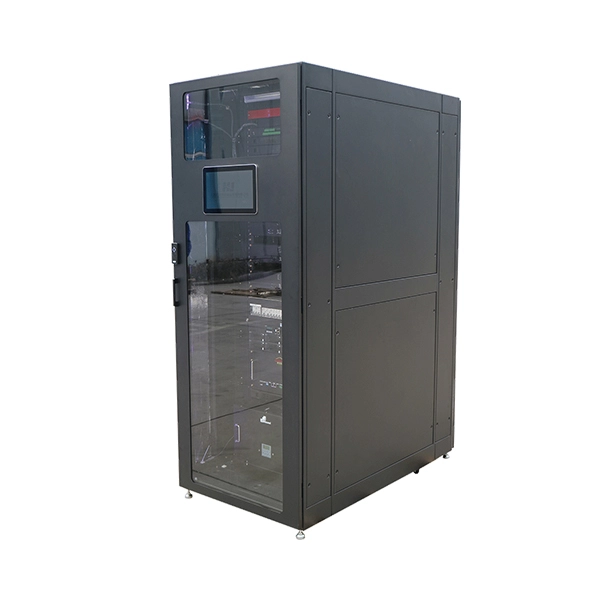
Advantages of Fiber Optic Cables and Ordinary Cables
Fiber optic cables offer several advantages over traditional cables. They provide superior speed and bandwidth, allowing for quick and efficient data transfer. Their unique. Written by Ben Hamlitsch, trueCABLE Technical and Product Innovation Manager RCDD, FOI There are many...
-
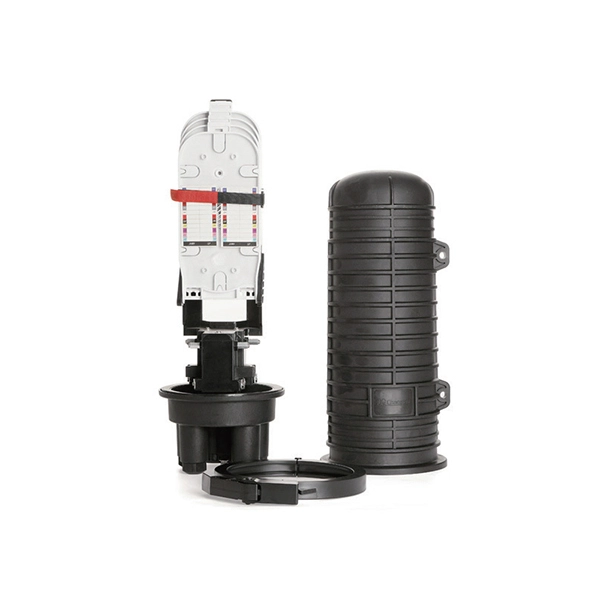
How are fiber optic cables classified for home delivery
“Fiber to the home” describes the use of fiber optic cable to deliver broadband internet from a central location directly to private residences. Connector types play a crucial role in selecting the right cable for specific applications, as different connectors are designed...
[PDF Version]
-
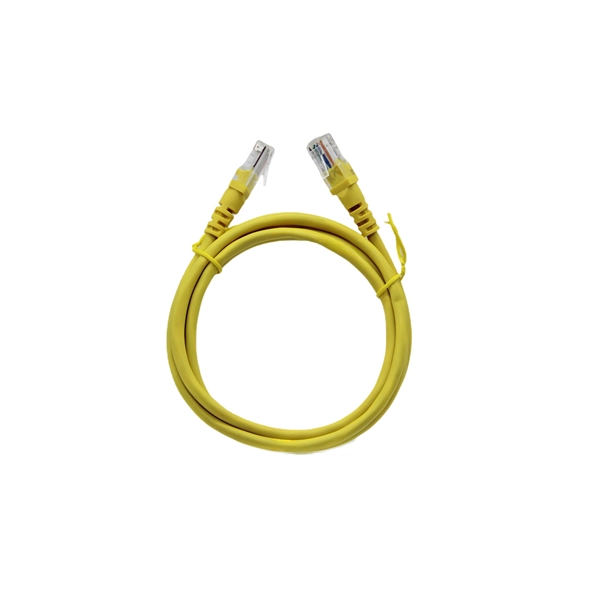
Which company supplies gyxtw fiber optic cables
GL FIBER supply GYXTW cable from 2 fiber cores to 24 fiber cores. This type of fiber optic cable has been praised due to its exceptional performance in Long Distance Symmetric role. Water blocking material is added between the steel tape and the loose tube to ensure the...
-
Total length of fiber optic cables laid in Malaysia
The Sistem Kabel Rakyat 1 Malaysia (SKR1M) is a 3700km optical fiber submarine cable system connecting Cherating, Kota Kinabalu, Miri, Bintulu, Kuching and Mersing, a domestic submarine cable system connecting Peninsular Malaysia, Sabah and Sarawak. The Submarine Cable Map is...
[PDF Version]
-

What is meant by laying fiber optic cables in a vertical shaft
A fiber optic riser cable—designated as OFNR, shorthand for Optical Fiber, Nonconductive, Riser—is a type of indoor fiber optic cable specifically designed for vertical installations. Horizontal and vertical cabling describe how fiber pathways are distributed within...
[PDF Version]
-
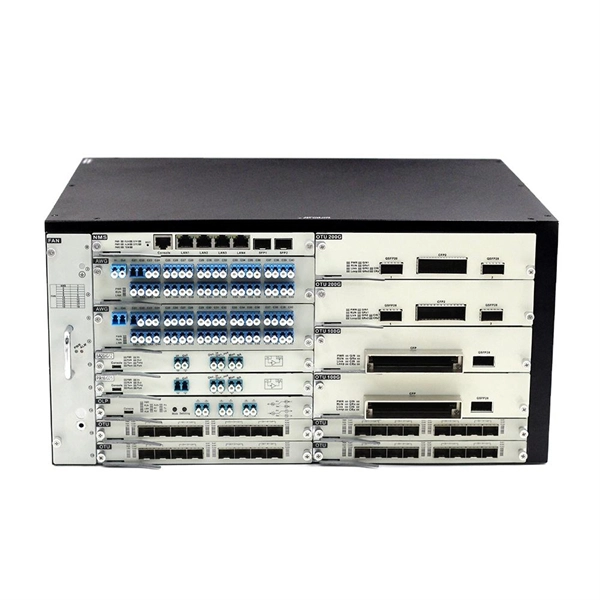
Safe distance for fiber optic cables installed on the same pole
Urban Areas: 25–40m spacing (concrete poles, 10–12m height)., steel lattice structures). Factors: Cable weight (kg/km) Ice loading (up to 50mm thickness)Cables on poles sharing electrical and telecom/CATV cables must be installed in the telecom space with proper clearance...
[PDF Version]
-
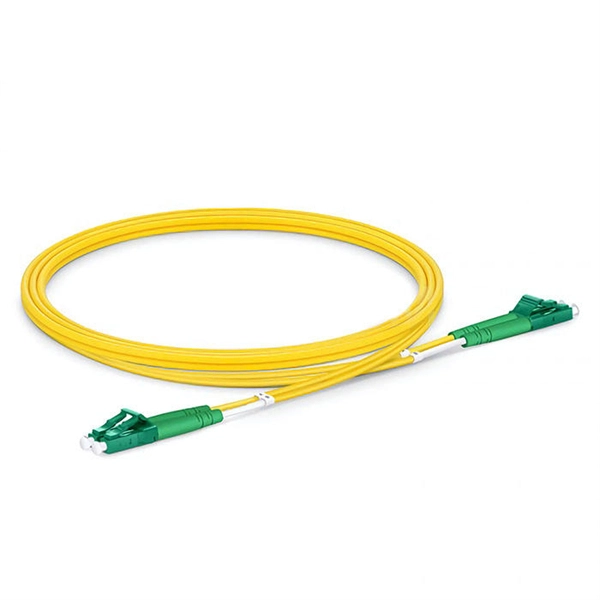
Fiber optic cables are classified into interconnect fiber optic cables
Round- also known as interconnect, is a style of jacketing for cable. Round fiber optic cables house two fiber lines within one exterior cable, so are functionally duplex cables but from the outside look like a single cable. The optical fiber elements are typically...
[PDF Version]
-
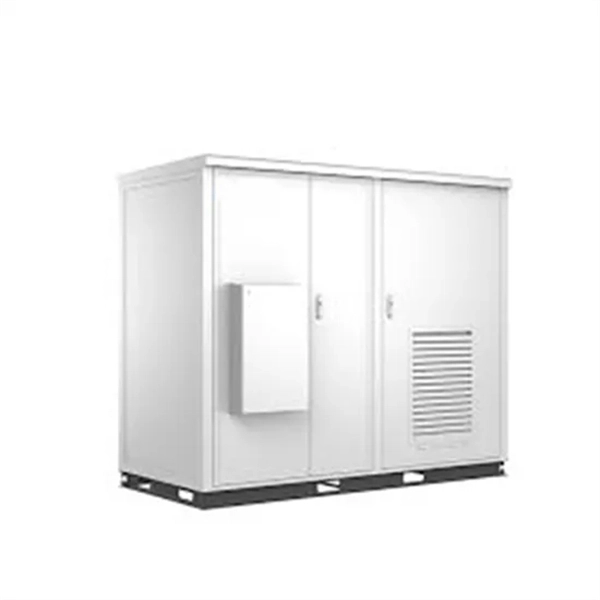
Advantages and disadvantages of twisted-pair cables and optical fibers
Twisted pair cable is the most cost-effective choice for coaxial cables and optical fibers, but the bandwidth is also lower and the attenuation is higher, that is, the farther the distance, the worse the performance. They are also prone to wear and must be maintained...
[PDF Version]
-

How to fuse ODF fiber optic cables
Learn how to splice fiber optic cable using fusion splicing with this complete step-by-step guide. Includes tools, best practices, loss standards (ITU-T G. 652), cost analysis, and FAQs for network engineers and installers. Regardless of the type of fiber network you're...
[PDF Version]
-
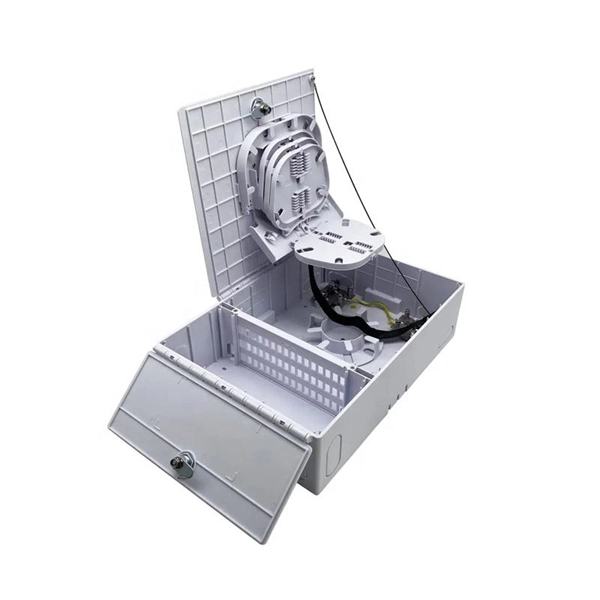
How to prevent fiber optic cables from being bent
Effective prevention requires proper route planning, use of fiber management accessories such as bend radius limiters and organized patch panels, and mandatory post-installation testing (insertion loss and OTDR) to verify compliance and ensure stable network performance...
[PDF Version]
-
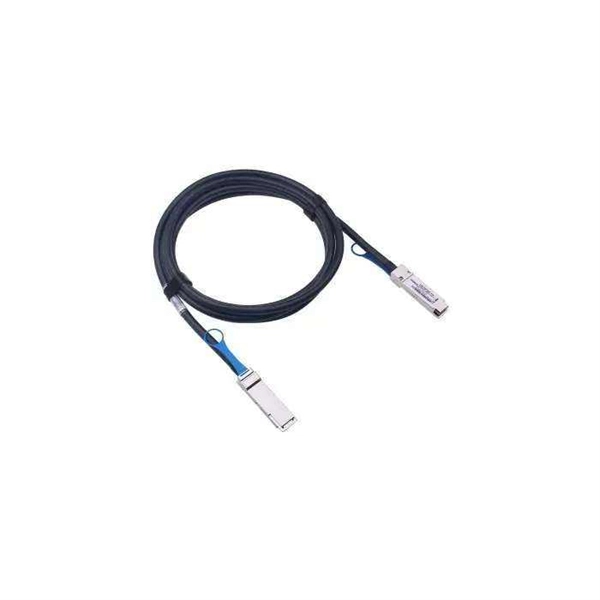
Analysis of the disadvantages of fiber optic cable laying
Laying fibre-optic cables is complex, requiring careful planning, precision, and attention to various technical, regulatory and environmental factors. Fibre technology also presents inherent challenges, as the cables tend to be fragile, and signals lose integrity over long...