Skip to content
AK OPTICALSystems Send a project enquiry
Reference library

Fiber optic communication cannot connect

Published
  • Fiber
  • Optic
  • Communication
Source context

AI source overview

Fiber optic equipment may fail to connect due to physical damage, dirty or misaligned connectors, incompatible transceivers, or signal loss along the fiber link. Common Causes of Connection Failure1. Physical Damage: Fiber cables are sensitive to cuts, bends, or stress.

Sharp bends, kinks, or crushed sections can cause light leakage and signal loss, preventing connectivity. Microbends or macrobends along the fiber can also degrade performance. 2.

Connector Issues: Dirty, misaligned, or damaged connectors are a leading cause of fiber failures. Dust, fingerprints, or scratches on the connector end-face can result in high insertion loss or complete signal loss. Connectors must be properly seated and aligned in their ports.

3. Transceiver Compatibility: Using non-compatible or third-party SFPs can lead to unpredictable behavior. Ensure that transceivers are compatible with your equipment and meet the required standards.

Check the device's compatibility matrix and verify the minimum firmware or IOS version required for the SFP. 4. Fiber Splice Loss: Imperfect splices can cause signal degradation.

Misaligned fibers or poor fusion splices increase insertion loss, which may prevent the link from establishing. 5. Environmental Factors: Moisture, temperature extremes, or electromagnetic interference (though fiber is generally immune to EMI) can affect performance.

Ensure the fiber environment is stable and protected.

Troubleshooting Steps

Inspect Fiber Cables: Look for visible damage, sharp bends, or loose connectors. Replace any compromised cables. Clean Connectors: Use lint-free wipes, isopropyl alcohol, or specialized fiber cleaning tools to remove dust or oil from connector end-faces.

Test Signal Strength: Use an Optical Time Domain Reflectometer (OTDR) or power meter to measure signal loss. Values outside the expected range (typically -15 dBm to -30 dBm) indicate issues. Check Transceivers: Swap suspect transceivers with known-good units and ensure they are compatible with the equipment.

Verify Connections: Ensure connectors are fully seated, aligned, and that polarity is correct. Inspect patch panels for unpinned MPO connections. Restart Devices: Reboot switches, routers, or media converters to resolve temporary glitches.

Tools for TroubleshootingOTDR: Identifies breaks, high-loss splices, and overall fiber length. Fiber Microscope: Inspects connector end-faces for dirt, scratches, or defects. Power Meter: Measures optical signal strength to detect attenuation.

By systematically inspecting cables, cleaning connectors, verifying transceiver compatibility, and testing signal strength, most fiber optic connectivity issues can be identified and resolved efficiently.

Research context

Reference summary

Fiber Network Troubleshooting – Common Issues & FixesLearn how to troubleshoot fiber networks. Identify common issues like high loss, dirty connectors, and.

From reference to enquiry

Questions for your project

Use these editorial prompts alongside the linked excerpts. They identify items to confirm for your project.

Technical notes

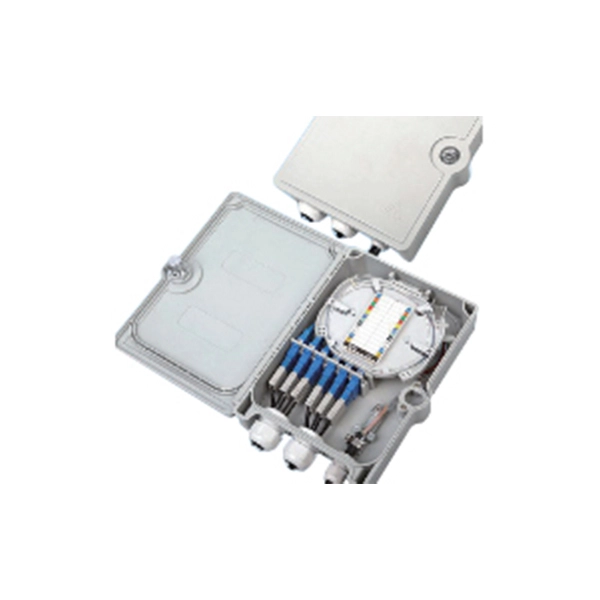
Illustrative equipment image

Fiber Network Troubleshooting – Common Issues & Fixes

Learn how to troubleshoot fiber networks. Identify common issues like high loss, dirty connectors, and signal drops, with practical solutions for optical links.

Fiber Optic Troubleshooting Guide: Problems, Tools

Learn how to troubleshoot fiber optic cables with common problems, a step-by-step process, essential tools, and proven solutions for stable network

Fiber Optic Troubleshooting: Expert Guide for Common Issues

Troubleshoot fiber optic issues like a pro with our expert guide. Resolve common problems and ensure seamless connectivity.

The Ultimate Fiber Troubleshooting Bible for Beginners 2025

Solve fiber troubleshooting issues fast with step-by-step tips for beginners. Keep your fiber optic network reliable and fix common internet problems easily.

Troubleshoot Fiber Links on Catalyst 9000 Series Switches

This document describes how to troubleshoot fiber optic interfaces by addressing some of the fiber optic module and cabling specifications.

Optical Cable Not Working? 6 Proven Ways to Fix It

Resolve optical cable issues with these 6 effective fixes. Optical Cable Not Working? 6 Proven Ways to Fix It. Optical cables, often referred to as fiber optic cables, have become integral to

Fiber ONT Troubleshooting

Don''t let optical network terminal (ONT) problems disrupt your fiber-optic experience. At BroadbandSearch, we developed this guide to help you avoid unnecessary service calls and prevent

White Paper: Troubleshooting Fiber

Problems within a fiber link can occur due to a wide variety of reasons. A very common problem is that a connector is not fully engaged - often hard to notice in a crowded patch panel.

Fiber Network Troubleshooting Guide: Common Issues and Solutions

This guide will walk you through diagnosing and resolving common fiber network issues efficiently. Why Do Fiber Networks Fail?

Fiber Optic Issues: Troubleshooting & Prevention Tips

Solve common fiber optic network problems—attenuation, damage, connector issues. Learn troubleshooting steps, tools, and prevention to ensure reliable connectivity.

Fiber ONT Troubleshooting

Fiber ONT Troubleshooting Don''t let ONT problems disrupt your fiber-optic experience. Get a comprehensive guide on maintaining a glitch-free connection.

What are the most common fiber optics problems?

Compared to copper-based Internet, fiber optic communications can accommodate noticeably higher data rates with lower loss levels in the

Optical Cable Not Working? 6 Proven Ways to Fix It

Optical Cable Not Working? 6 Proven Ways to Fix It Optical cables, often referred to as fiber optic cables, have become integral to our everyday lives, delivering high-speed internet and

Why Is My Fiber Internet Not Working | Brightspeed

Troubleshooting your fiber connection Is your Brightspeed fiber internet not working? These steps can help resolve common fiber internet problems. How to troubleshoot your fiber internet To identify why

Common Fiber Optic Cable Issues and How to Fix Them

Ever wondered why your blazing-fast fiber optic internet suddenly slows to a crawl, or why your network connection drops out just when you need it most? You''re

Common Fiber Optic Cable Problems and How to Fix Them

Common Fiber Optic Cable Problems and How to Fix Them Common Fiber Optic Cable Problems and How to Fix Them Fiber optic cables are the backbone of today''s high-speed communication

Fibre Optic Cable Troubleshooting Guide: Common Issues and Solutions

Introduction: Fibre optic cables are a vital component of modern communication networks, offering high-speed data transmission and reliability. However, like any technology, fibre

What Are The Most Common Fiber Optics Problems?

An overview of potential problems in fiber optic communication and ways to reduce them. Avoiding Signal Loss in Fiber Optics Fiber optic

Related Video Reference

This video was associated with the source search result. Verify technical details against current product documentation and project requirements.

6 questions about “Fiber optic communication cannot connect”

How can one identify a broken fiber optic cable?

To identify a broken fiber optic cable, start by performing a visual inspection for any physical signs of damage, such as bends, cracks, or breaks...

What methods are used to test fiber optic cables without a tester?

There are several methods to test fiber optic cables without a tester. One method is using a visual fault locator (VFL), as mentioned earlier, to v...

What are the causes of intermittent fiber optic connections?

Intermittent fiber optic connections can be caused by a variety of factors, including: Poorly terminated connectors or splices that result in unsta...

How does end face contamination impact fiber optic performance?

End face contamination negatively impacts fiber optic performance by increasing signal loss, reflection, and scattering. Contaminants such as dirt,...

What factors contribute to fiber optic degradation?

Fiber optic degradation can be caused by several factors, such as: Physical stress on the cable, including bending, twisting, or crushing, which ma...

How can I resolve issues when my fiber internet is not functioning?

When your fiber internet is not functioning, follow these steps to resolve the issue: Verify that all connections are secure and properly seated, i...

Share your network requirements

Share the fiber interfaces, termination capacity, cable route and evidence required for handover.

Send a project brief