
Technical notes
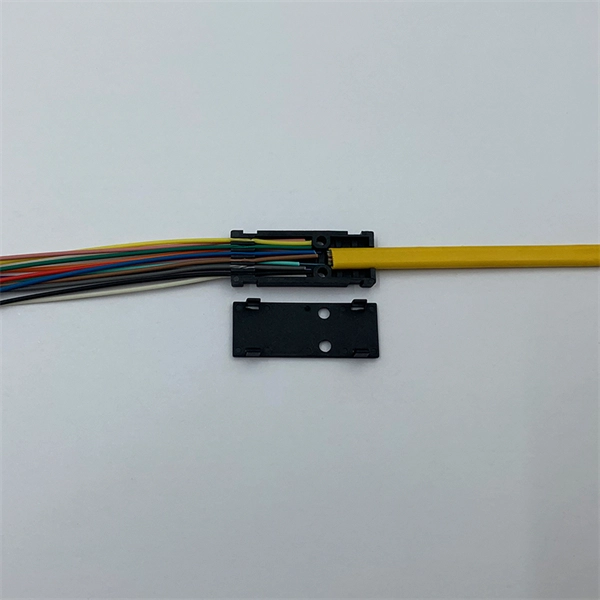
Cisco High-Density Fiber Patch Panel, Simplex, MPO,
This high-density solution improves access to small form factor connectors and creates unobstructed handling space, providing greater flexibility
Fibre Optic Panels
FS offers FHD® FAPs and FHU® 1U fibre patch panel with LC, SC, MTP®/MPO connectors in singlemode/multimode fibre to deploy medium for high-density fibre optic network applications.
Fiber Panels, Modules & Cassettes
Explore CommScope''s efficient and scalable fiber splice panels designed for seamless connectivity. Accommodating LC, SC, and MTP/MPO connectors,
Fiber Optic Hardware | Fiber Panels, Housings, Racks, and
Corning has a wide variety of hardware solutions to choose from to fit your cabling needs. Choose from racks, panels, modules, splice trays, ethernet fiber switches and other structured cabling components.
Fiber Patch Panels – optical network, cable
A fiber patch panel is a device with multiple ports for fiber-optic connectors. Its primary purpose is to organize and manage fiber-optic cables, providing a central
MPO Connectors Are Essential in Data Centers | Fluke Networks
MPO connectors are used in duplex fiber applications throughout the data center as a way to deploy pre-terminated plug-and-play backbone trunk cables between active equipment.
Fiber Optic Connectors and Adapters
Industry-standard LC Connectors, Adapters and Cable Assemblies from Molex include multi-port and single adapters ideal for high-density network connections.
The Quick Guide to Fiber Patch Panels | FIBERONE
At FIBERONE, we manufacture a range of fiber patch panels to fit a variety of network needs. Our fiber product experts are standing by for a consult.
How To Use a Fiber Optic Patch Panel
Fiber optic patch panel, or cross connect patch panel, is a mounted hardware unit containing an assembly of port locations in a communication or other electronic or electrical system. Fiber patch
What is a Fiber Optic Patch Panel?
A fiber optic patch panel is commonly described as the interface panel that connects multiple optical fiber cables and optical equipment. Patch panels are rack-mountable onto 19”,
How to Install Fiber Optic Patch Panel
At its core, a fiber optic patch panel acts as a hub for terminating and interconnecting the individual fibers within a network. It typically consists of a sturdy enclosure, often made of metal or
Fiber Patch Panels: A Beginner''s Guide
Fiber optic patch panels are enclosures that act as a distribution hub for fiber cable. A bulk (multi-strand) fiber cable enters the patch panel and then each fiber strand is separated into individual strands or
Fiber Patch Panels Guide
Fiber enclosures allow for different types of fiber optic cable to be spliced together and routed to different points in a building. A fiber optic patch panel or wall mount enclosure not only enables electricians
Fiber Optic Patch Panel | FiberTek
Fiber optic patch panel provides secure, neat and orderly storage for the direct terminated optical fibers with connectors or fusion spliced optical fibers. Various
The Ultimate User Guide to Fiber Patch Panel
Benefits of Using Fiber Optic Patch Panels Fiber patch panels are important hardware equipment for data centers. Using fiber optic patch panels has many significant benefits including: -
Fiber Polarity Basics | Fluke Networks
Both methods U1 and U2 support transitioning to parallel optics. Method U2 also supports direct breakout applications where a high-speed
Connection between two optic fiber patch panels
We must distinguish between "fibers" and "cables". One cable can, and usually does, consiste of many fibers. A normal fibre Ethernet connection needs two fibers. So for two connections
Wall Mount Fiber Patch Panels
Wall Mount Fiber Patch Panels You cannot beat the safety, security, and convenience of a Fiber Optic Wall Mount Patch Panel. Keeping your fiber connections organized in a secure and centralized
Related Video Reference
This video was associated with the source search result. Verify technical details against current product documentation and project requirements.