Skip to content
AK OPTICALSystems Send a project enquiry
Reference library

Fiber Optic Installation Scheme for Distribution Network Automation

Published
  • Fiber
  • Optic
  • Installation
Source context

AI source overview

A robust fiber optic deployment for distribution network automation combines structured planning, hierarchical network design, and precise project execution to ensure reliability, scalability, and real-time control.

Network Planning and Design

Effective deployment begins with comprehensive network planning, integrating geographic, regulatory, and economic considerations. Key steps include: Route Optimization: Use GIS tools to map optimal fiber paths, considering existing infrastructure, terrain, and future expansion needs. Network Architecture: Adopt a hierarchical design with core, distribution, and access layers.

For industrial automation, segment networks into functional zones to support SCADA, process automation, and real-time control. Fiber Type Selection: Choose between singlemode (for long-distance, high-bandwidth) and multimode fiber (for shorter distances), ensuring compatibility with automation devices and redundancy requirements. Link Loss Budgeting: Calculate total acceptable signal loss to maintain signal integrity across the network.

Deployment Methodology

Deployment involves civil works, cable installation, splicing, and commissioning: Civil Works: Trenching, micro-trenching, or conduit installation forms the backbone of fiber deployment. Micro-trenching can reduce construction time by up to 70%. Cable Installation: Use protective enclosures, modular splice systems, and IP65-rated DIN-rail systems for industrial environments to ensure durability and ease of maintenance.

Splicing and Termination: Modular splice enclosures support high fiber counts and accelerate commissioning, reducing downtime. Testing and Validation: Perform thorough optical testing at each stage to verify performance and reliability.

Automation Integration

For distribution network automation, fiber networks must support real-time data and control: Industrial Network Standards: Implement Converged Plantwide Ethernet (CPwE) or similar architectures to integrate OT and IT systems, enabling SCADA, energy management, and motion control over a unified fiber backbone. Zoning and Segmentation: Divide the network into industrial zones to isolate critical control traffic and enhance security. Operational Support Systems (OSS): Integrate OSS early to manage assets, monitor performance, and facilitate predictive maintenance.

Project Management Best Practices

Phased Execution: Coordinate civil works, cable installation, and device integration in phases to minimize operational disruption.

Cross-

Discipline Coordination: Synchronize multiple trades, including civil contractors, fiber installers, and automation engineers.

Scenario-

Based Planning: Use software tools like FibPlanner to simulate multiple deployment scenarios, optimize costs, and generate high-level and low-level designs efficiently. Documentation and Standardization: Maintain consistent design outputs, material profiles, and deployment records to ensure scalability and maintainability.

Key Considerations

Scalability: Design for future expansion and higher bandwidth demands. Reliability: Include redundancy, protective enclosures, and robust splicing to minimize downtime. Cost Efficiency: Optimize civil works, material selection, and labor coordination to reduce total investment.

Regulatory Compliance: Follow local standards for fiber installation, safety, and industrial network integration. By combining strategic planning, precise deployment, and automation-ready architecture, utilities and industrial operators can achieve a high-performance, future-proof fiber optic network that supports real-time monitoring, control, and distribution network automation.

Research context

Reference summary

Fiber Optic Network Design & Deployment GuideDiscover how to design & deploy Fiber optic networks for modern telecom. Learn planning, budgeting, documentat.

From reference to enquiry

Questions for your project

Use these editorial prompts alongside the linked excerpts. They identify items to confirm for your project.

Technical notes

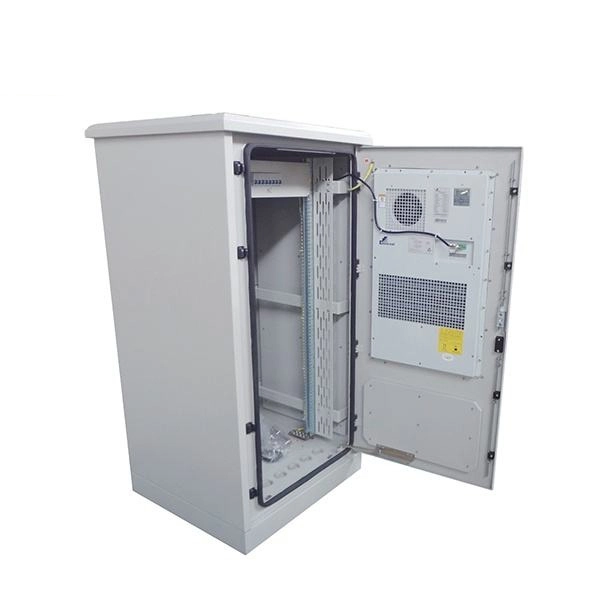
Illustrative equipment image

Fiber Optic Network Design & Deployment Guide

Discover how to design & deploy Fiber optic networks for modern telecom. Learn planning, budgeting, documentation, and best practices for success.

The Complete Guide to Fiber Optic Network Design and

In this broad guide, we will run through why, what, and how of Fiber optic network design and deployment — covering planning, challenges, best

Fiber Optic Deployment Scheme for Distribution Network Automation

From dense urban builds to remote rural rollouts, this article compares three fundamental ODN structures to guide the design of a future-proof fiber distribution network.

FOA Standard For Installing Fiber Optic Cable Plants

This standard covers fiber optic cabling installed for communications networks, both indoor (premises installation) and outdoor (outside plant - OSP installation) applications.

Deploying a Fiber Optic Physical Infrastructure within a Converged

It details fiber optic network infrastructure solutions that provide high-performance connectivity options that help increase the integrity and availability of a CPwE architecture at each level of the plant-wide

The Fiber Optic Association, Inc.

Guide To Fiber Optic Network Design, Tech Bulletin: What is fiber optic network design? This document covers the entire process from understanding fiber networks, choosing components, planning the

(PDF) Distribution automation applications of fiber optics

An optical position-indicator design is discussed. Systems aspects of distribution automation are discussed, in particular, the lack of interface, communications, and data standards.

The Complete Guide to Fiber Optic Network Design and

Fiber optic network design is an engineering blueprint that suggests that Fiber cables, enclosures, splices, splitters, and active equipment are

Master Your Fibre Optic Installation: Step-by-Step Best Practices

What are the cost considerations for fiber optic installation? When accounting for the expenses associated with fiber optic installation, it''s important to factor in elements like the fiber

Fiber Distribution | Fiber Distribution Architecture | Corning

Fiber distribution hardware manages each fiber and connection point that is associated with active electronics. Why do operators, designers, and installers

The FOA Reference For Fiber Optics

Even within communications applications, we have applications that differ widely in usage and in methods of installation. We have "outside plant" fiber optics as used in telephone networks, CATV,

Users Guide To Fiber Optic System Design and Installation

When designing or installing fiber optic cabling, the contractor can either design to cabling standards, which allows use with any network or communications system designed for those standards, or for a

Design Guide

Fiber optic network design refers to the specialized processes leading to a successful installation and operation of a fiber optic network. It includes determining the type of communication system(s) which

InstallGuide

This FOA Technical Bulletin describes recommended procedures for installing and testing cabling networks that use fiber optic cables and related components to carry signals for communications,

How to Use Fiber Distribution Box: A Comprehensive Guide

A fiber distribution box (FDB) functions as a central hub in fiber optic networks where the main cable is split into multiple individual fibers for distribution to end users. These boxes protect

AI in Fiber Deployment | Rakuten Symphony | 10 application

Discover 10 key applications of AI in fiber network rollout automation and how they are reshaping the telecom and fixed broadband industry.

How to Deploy a Network: 6 Key Steps for Fiber Broadband

Building and operating a fiber broadband network can be a complex process, but with the right tools and a systematic approach, it becomes efficient and streamlined. The COS Business

White Paper: FTTH architecture overview

Fiber indexing offers several attractive benefits to service providers choosing a distributed architecture for their access network. Using the same terminal, same splitters, same fiber cable and adding cable

Related Video Reference

This video was associated with the source search result. Verify technical details against current product documentation and project requirements.

Share your network requirements

Share the fiber interfaces, termination capacity, cable route and evidence required for handover.

Send a project brief