
Technical notes
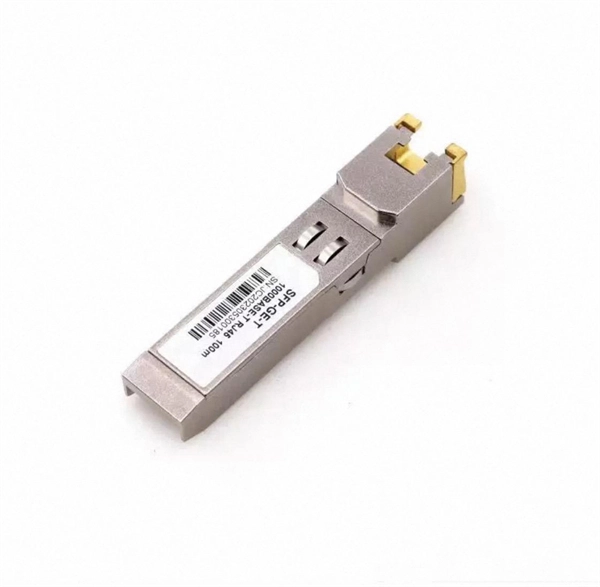
Types of Fiber Optic Equipment Used in Network Systems
Understanding the different types of fiber optic equipments used across these networks helps clarify how data actually moves from source to
A Practical Guide to Fiber Optic Equipment and its Uses
A practical guide to fiber optic equipment, covering splicers, OTDRs, power meters, and essential tools used to build, test, and maintain modern fiber
Fiber Optic Networking Equipment for Datacom and Telecom
Products for your IT networking - fiber optic and copper media converters, SFP+, XFP, GBIC fiber optic transceivers, TDM over IP, video transceivers, Ethernet extenders, and more.
What Optical Equipment is Needed for Fiber Optic Network?
Setting up a fiber optic network requires specific equipment to ensure optimal performance. Key components include fiber optic cables, ONT, OLT, routers, Ethernet cables, NICs,
Fibre Optic Networking Equipment: An Overview
Whether you''re setting up a network for a large organization or a small home office, fibre optic networking equipment can provide the high-speed, high-quality connections you need.
What Equipment is Needed for Fiber Optic Internet?
Discover the essential equipment required for fiber optic internet installation. Learn about the tools and components needed for seamless connectivity.
What Equipment is Needed for Fiber Optic Internet?
To enjoy the benefits of this advanced technology, you need specific equipment tailored to fiber optic networks. This blog will outline the essential
Types of Fiber Optic Equipment Used in Network Systems
Fiber optic networks do far more than carry light from one point to another. Behind every high-speed internet connection, data center link, and
What Is Fibre Optics & How Does It Work? | Neos
In this blog post we''ll explore fibre optics and the role of fibre optic networks in communications and connectivity. We''ll answer questions around
What Is Fiber Optics? A Guide
Fiber optic cables are often used to transmit data and control signals in environments where high-powered motors, heaters, and similar equipment
Corning Optical Communications | Fiber Optic Connectivity Solutions
We deliver optical connectivity solutions for every segment of the network, including carriers, data centers, in-building networks, and original equipment manufacturers (OEM).
Fiber Optic Communication System : Basic Elements & Its Working
Basic Elements of a Fiber Optic Communication System For gigabits and beyond gigabits transmission of data, fiber optic communication is the ideal choice. This type of communication is used to transmit
Optical Networks explained
Fiber optic networks are based on the use of glass strands that can transmit information with practically no limits on distance, or capacity.
What Equipment is Needed for Fiber Optic Internet?
Fiber optic internet, known for its lightning-fast speeds and reliable connectivity, has revolutionized how we access the digital world. Unlike traditional broadband technologies, fiber optic
Fiber Optic Communication Networks | Springer Nature Link
Various types of optical fiber networks have been conceived, designed, and built to satisfy a wide range of transmission capacities and speeds. The link lengths between users can vary from
Components Of Optical Fiber Communication System
The optical fiber cable itself makes up the channel for transporting signals with far higher bandwidths than electrical cables over similar distances. Additionally, inline devices help boost
Understanding Fiber Optic Communication System: Working,
Discover how fiber optic communication systems convert electrical signals into light pulses to deliver ultra-fast, reliable data transmission across long distances.
The 8 Must-Have Items of Equipment You Need for Fiber Internet
The ONT (Optical Network Terminal) is typically installed inside your home, near where the fiber cable enters the building. Often, it''s mounted on a wall in a utility area, garage, or near other
Related Video Reference
This video was associated with the source search result. Verify technical details against current product documentation and project requirements.