
Technical notes
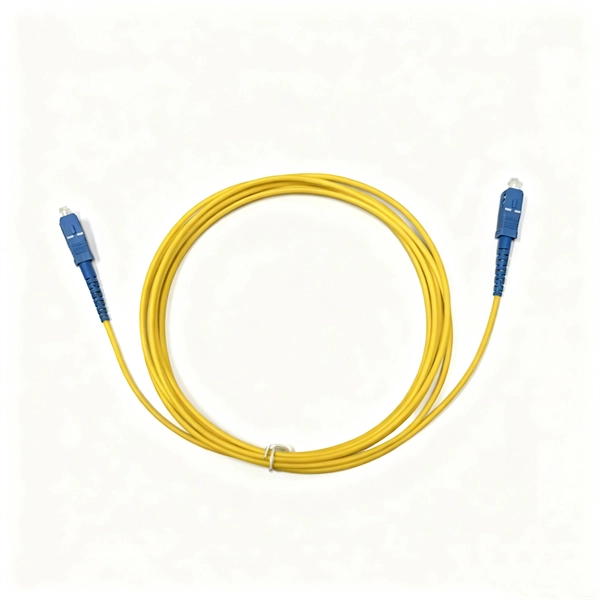
Fiber Optic Pigtail: The Complete Guide to Types,
Confused about fiber optic pigtails—which connector type, which polish, fusion or mechanical splice? Our guide covers LC vs SC, APC vs UPC,
Fiber Optic Pigtails: Uses & Differences from Patch Cords
Understand fiber optic pigtails — definition, types, and how they differ from patch cords. Learn why pigtails ensure reliable, low-loss fiber terminations.
How to Splice Fiber Optic Pigtails: A Step-by-Step Guide
Master the art of fiber termination. Learn how to splice fiber optic pigtails using fusion splicing, follow the color code, and ensure low insertion loss.
Fiber Optic Pigtail: Types, Splicing Guide, Specs & Price
A fiber optic pigtail is a short cable with one factory-polished connector and one bare fiber end. The connector is usually SC/APC for FTTH, LC/UPC for data centers, or FC/ST for industrial work.
What Is a Fiber Optic Pigtail? Full Guide to Pigtail Fiber
Comprehensive guide to fiber optic pigtails: Explore types, pigtail connectors, fiber counts, and applications for FTTH, data centers, industrial
Fiber Connector Types: A Comprehensive Guide 2025
Discover the common fiber connector types. Learn the differences, uses, and best practices for SC, LC, ST, FC, MPO/MTP connectors.
Connections among Fiber Terminal Boxes & Patch Cables & Pigtails
Step 1: Access outdoor fiber optic cables into fiber terminal box for the purpose of splicing the optical fiber cable and fiber optic pigtail, leading out it by using fiber optic patch cable.
Fiber Pigtails | Leviton Network Solutions
Leviton fiber optic pigtail kits are a good solution for mechanical or fusion splicing applications. Available in a range of multimode and single-mode fibers with SC,
Pigtail Assemblies for Patch and Splice Panels | AFL
AFL''s pigtail assemblies help eliminate labor-intensive field termination, yet guarantee reliable performance. Featuring a unified construction allowing for
Fiber Optic Pigtail: The Backbone of Your Network
Master fiber optic pigtail for robust network infrastructure. Learn about single-mode vs multi-mode, splicing, and connector types to optimize performance.
Fiber Optic Pigtail | FiberopticBank
Fiber optic pigtails are basically used to splice with the fiber so that they can be connected to the patch panel or equipment.
The Ultimate Guide to Fiber Pigtail
A Fiber Pigtail is a single, short, usually tight-buffered, optical fiber that has an optical connector pre-installed on one end and a length of exposed
An Introduction to Fiber Optic Pigtails
A fiber optic pigtail is a short section of a single-fiber fiber optic cable, which is terminated at one end with a plug, such as a half-coupler. It is usually
Understanding Fiber Pigtail Types: LC, ST, SC Connectors
Explore fiber pigtail types like LC, ST, and SC connectors for various applications. Learn about fiber optic connectors and termination methods.
Comprehensive Guide to Fiber Optic Pigtails | Gezhi Photonics
Dive into the world of fiber optic pigtails, their types, applications, and splicing methods. Enhance your network''s performance with Gezhi Photonics. Keywords: Fiber Optic Pigtails, Fiber
Fiber Optic Pigtail: Types, Splicing Guide, Specs & Price
Fiber optic pigtail guide : SC/APC & LC/UPC connectors, 0.9/2.0/3.0 mm buffers, single-mode and multimode types, fusion splicing steps, price ranges, specifications, and how to
Connections among Fiber Terminal Boxes & Patch
Fiber optic closure is fully sealed, waterproof but it can''t fix pigtails; fiber terminal box is not waterproof, while the internal structure can fix fiber optic cables, pigtail
Fiber Optic Pigtails, SC, FC, ST, and LC Fiber Connectors
The Fiber Optic Pigtail is normally a tight buffered fiber cable with a connector pre-terminated on one end and exposed fiber on the other. The stripped, or pre
Related Video Reference
This video was associated with the source search result. Verify technical details against current product documentation and project requirements.