
Technical notes
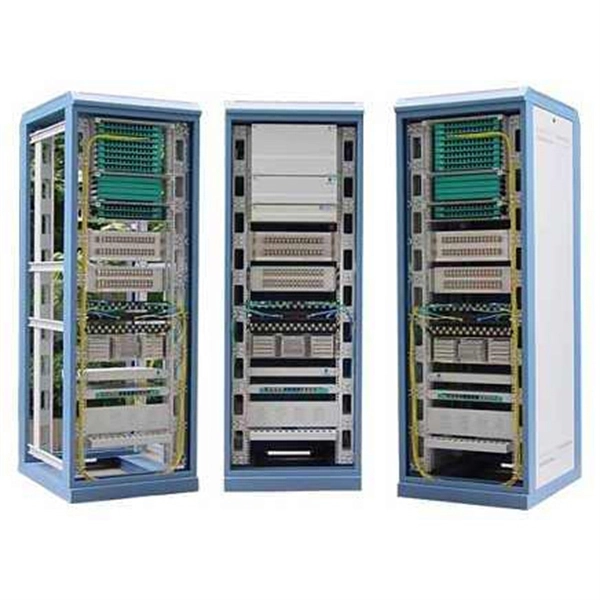
Fiber Optic Pigtail: The Complete Guide to Types,
Confused about fiber optic pigtails—which connector type, which polish, fusion or mechanical splice? Our guide covers LC vs SC, APC vs UPC,
The FOA Reference For Fiber Optics
See the Test section of the FOA Online Guide for much more detail. After fiber optic cables are installed, spliced and terminated, they must be tested. For every fiber
Fiber Optic Testing Standards
The Contractor tasked to perform testing or splicing on any fiber optic cable will follow these testing standards to fulfill their contractual obligations. The Contractor must utilize the correct equipment and
Demystifying Fiber Test Methods – Back to Basics
Table 1 summarizes the known attenuation measurement standards for installed optical fiber cabling, their test methods, and most importantly, when they should be used.
Fiber Optic System Testing Tutorial
When a fiber optic system is successfully tested and determined to meet the customer''s specific requirements and relevant industry standards, the system performance and individual links can be
The FOA Reference For Fiber Optics
An alternative method of testing fiber, which may be easier in field measurements, involves using a fiber pigtail attached to the source for a launch cable. Then use a temporary fusion or mechanical splice
Fiber Optic Pigtails: Uses & Differences from Patch Cords
In this guide, we will break down what fiber optic pigtails are, how they differ from patch cords, what types exist, and how to select the right one for your project. By the end, you will have a
What is Fiber Pigtail? A Complete Guide for Beginners
Fiber optic pigtails are mainly for fast fusion splicing applications, while patch cords are for connectivity between optical transceivers, patch panels,
FOC Splicing and Testing Method Statement | PDF | Optical Fiber
This document outlines the work method statement for splicing and testing fiber optic cable. It details the requirements, safety precautions, and sequence of activities to be followed, including: 1.
What Is Fiber Optic Pigtail and How to Splice It?
While for mechanical fiber optic pigtail splicing, it precisely holds a fiber optic pigtail and fiber patch cord together, the joint could be temporary or permanent, enabling light to pass from one
How to Test a Fiber Optic Cable: Best Methods & Tools
Want to know how to test a fiber optic cable? We''ll look at the most common fiber testing methods and how to use them properly.
Fiber Optic System Testing Tutorial
AEN 135, Revision 4 This Applications Engineering Note (AEN 135) explains and recommends standard measurement methods for characterizing optical fiber system performance. This note also provides
Comprehensive Fiber Optic Pigtail Wiki and Guidance
There is some loss and attenuation while building an optic fiber system. Correct fiber optic pigtail splicing will bring lower loss and attenuation to
The FOA Reference For Fiber Optics
In the meantime, continue testing as usual. There are five ways listed in various international standards from the EIA/TIA and ISO/IEC to test installed fiber optic
FOA Fiber U Quickstart Guide: Fiber Optic Testing With OTDRs
Testing A Fiber Optic Cable Plant This test will acquire a trace of an installed fiber optic cable plant, singlemode or multimode, including the loss of all fiber, splices and connectors. The method shown
Fiber Optic Cables, Pigtails & Test Instruments | Fusion
LANshack has everything you need for an installation, from fiber optic cables, pigtails, and test instruments to fusion splicers.
The Ultimate Guide to Fiber Pigtail
A Fiber Pigtail is a single, short, usually tight-buffered, optical fiber that has an optical connector pre-installed on one end and a length of exposed
Fiber Testing | Fiber Optic Cable Testing Methods & Top Tools
Fiber Optic Testing Fiber testing encompasses the processes, tools, and standards used to test fiber optic components, fiber links, and deployed fiber networks. This includes optical and mechanical
Related Video Reference
This video was associated with the source search result. Verify technical details against current product documentation and project requirements.