
Fiber Optic Position Sensors Principles And Applications
Search optical fiber, connectivity, cable management and network infrastructure references.
- Fiber
- Optic
- Position
Articles and technical references
9 on this page-
Principles of Fiber Optic Sensor Chips
This article explores the different types of Fiber Optic Sensors, their working principles, and various applications. P 603 Radiation absorption excites an orbital electron to a higher energy level. A sensor is a device that measures a physical quantity and converts it into...
-

The Role of Automated Fiber Optic Sensors
This is the power of fiber optic sensing, a technology that transforms ordinary optical fibers into the digital world's sensory network. In 2023, researchers turned submarine cables into earthquake warning systems and gave electric vehicles “optical nerves” to prevent...
-
Principles and Advantages of Fiber Optic Communication
It covers key advantages such as security, immunity to electromagnetic interference, lightweight design, high bandwidth, and safety, along with the nature of light and its role in fiber-optic communication. Fiber-optic communication is a method of transmitting data from one...
[PDF Version]
-
Principles of Fiber Optic Communication and Light Refraction
Fiber optics utilize several fundamental physical principles that allow them to efficiently transmit light signals over long distances. Snell's law of refraction describes how light bends when passing from one medium to another with a different refractive index. The digital...
[PDF Version]
-
Classification of Fiber Optic Current Sensors
This article explores the different types of Fiber Optic Sensors, their working principles, and various applications. Fiber optic current sensors are revolutionizing the way electrical currents are measured, providing high sensitivity, immunity to electromagnetic interference...
[PDF Version]
-
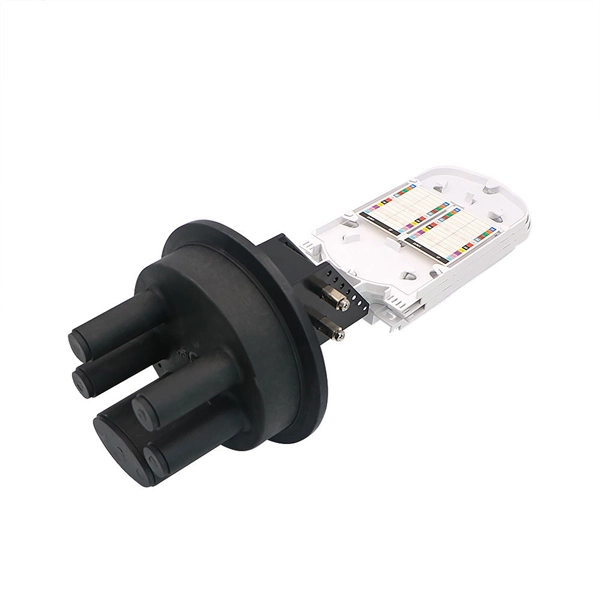
Can fiber optic sensors identify wire color
Fiber optic sensors detect color by measuring reflected wavelengths; methods include comparison and triangulation. By adopting the TIA/EIA‑598C standard, you gain a universal “language” of colors that speeds identification, reduces miswiring, and enhances safety. Fiber optic...
-
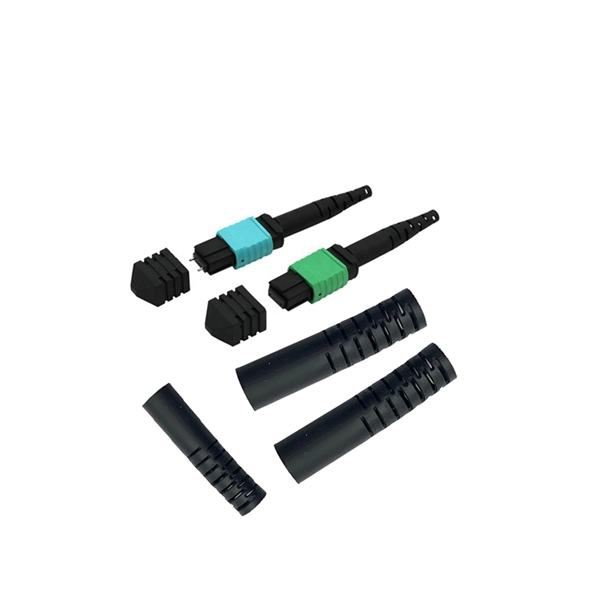
Are there any distributors for fiber optic sensors
Explore 73 top manufacturers and suppliers of Fiber Optic Sensors in our comprehensive photonics buyers' guide. A fiber optic sensor is a device that uses optical fibers to detect and measure physical, chemical, biological, or environmental parameters. Use this fiber-optic...
[PDF Version]
-
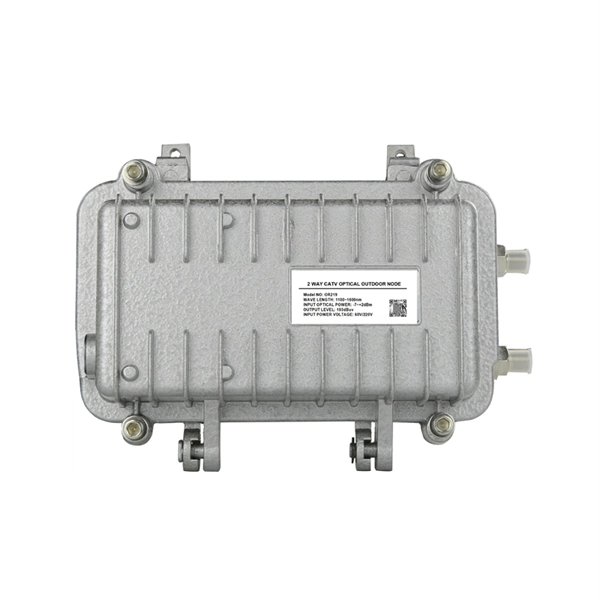
Principle of Thin Fiber Optic Sensors
A fiber optic sensor measures a physical quantity by modulating the intensity, spectrum, phase, or polarization of light traveling through the optical fiber system. It's a device that converts light rays into electronic signals. Optical fiber sensors (OFSs) have emerged as...
[PDF Version]
-
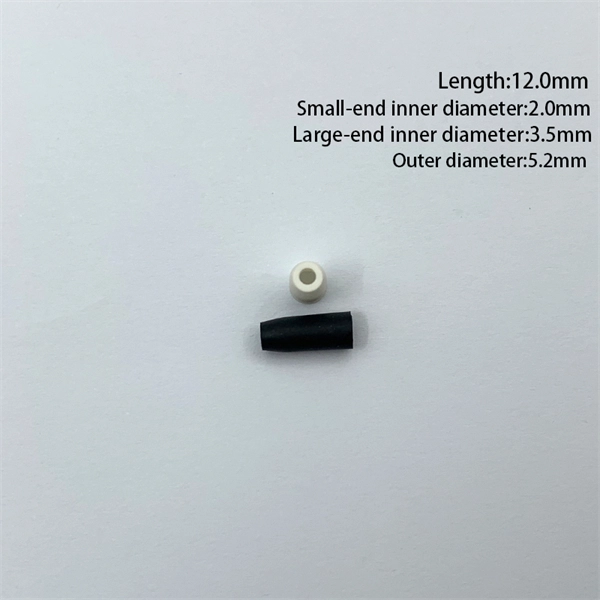
Fiber Optic Cable Suspension Line Position
89 describes the general requirements and a design guide for suspension wires, telecommunication poles and guy-lines that support aerial cables for optical access networks. This Recommendation also describes loads applied to the infrastructures. Individual company practices...