
Fiber Optic Pressure Sensors Working Advantages
Search optical fiber, connectivity, cable management and network infrastructure references.
- Fiber
- Optic
- Pressure
Articles and technical references
11 on this page-
What is the working principle of fiber optic seismic sensors
Principles and Applications of Seismic Monitoring Based on. This paper reviews the principles of the four optical seismic sensors, as well as their appl.
[PDF Version]
-
Working principle of fiber optic ranging sensors
Fiber Optic Sensors: Fundamentals, Principles & ApplicationsRadiation absorption creates electronic excited states that are trapped by localized defects fo.
[PDF Version]
-
Conductive fiber optic pressure sensor
These sensors utilize optical fibers to detect pressure changes, making them immune to electromagnetic interference (EMI) and ideal for use in harsh conditions, such as in the oil and gas, aerospace, and medical industries. Fiber-optic sensing (FOS) technology has emerged as...
[PDF Version]
-

The Role of Automated Fiber Optic Sensors
This is the power of fiber optic sensing, a technology that transforms ordinary optical fibers into the digital world's sensory network. In 2023, researchers turned submarine cables into earthquake warning systems and gave electric vehicles “optical nerves” to prevent...
-
Principles and Advantages of Fiber Optic Communication
It covers key advantages such as security, immunity to electromagnetic interference, lightweight design, high bandwidth, and safety, along with the nature of light and its role in fiber-optic communication. Fiber-optic communication is a method of transmitting data from one...
[PDF Version]
-
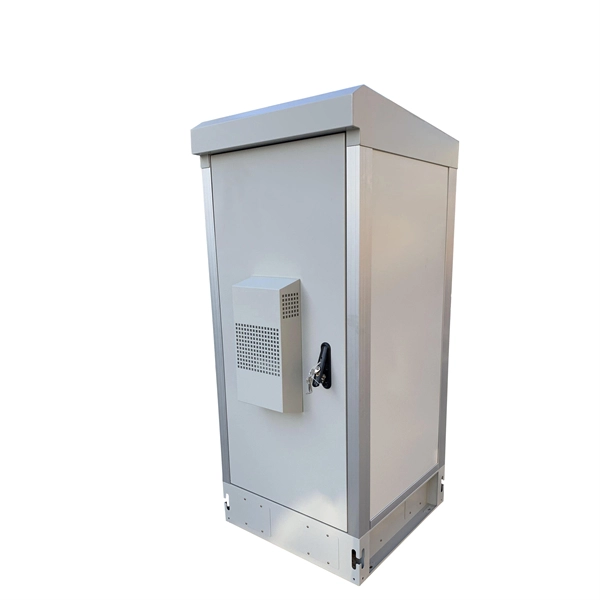
Working principle of SC fiber optic connector
Inside the SC fiber cable connector, the glass core of the fiber is aligned precisely. This allows light signals to travel cleanly from one cable to another. SC connectors are used with both single-mode and. SC fiber connectors, or Subscriber Connectors, are widely used in...
-
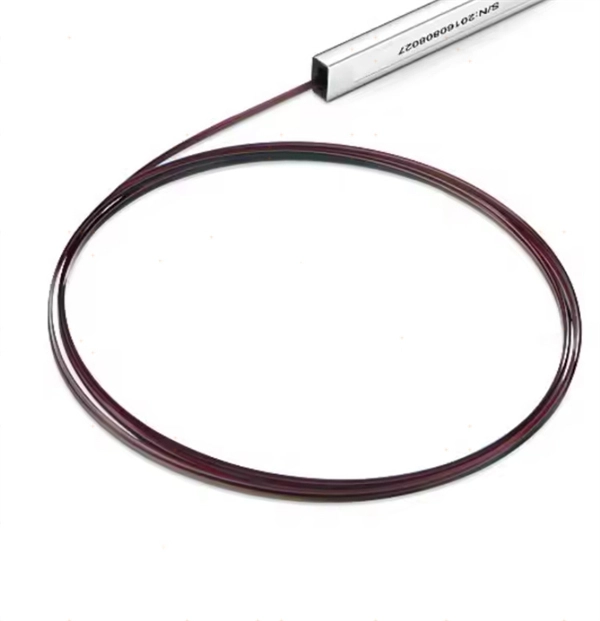
Switch fiber optic interface is not working
Things to check if the SFP/SFP+ link is not coming up. Ensure that a compatible transceiver is used. This document describes how to troubleshoot fiber optic interfaces by addressing some of the fiber optic module and cabling specifications. The information in this document is...
-
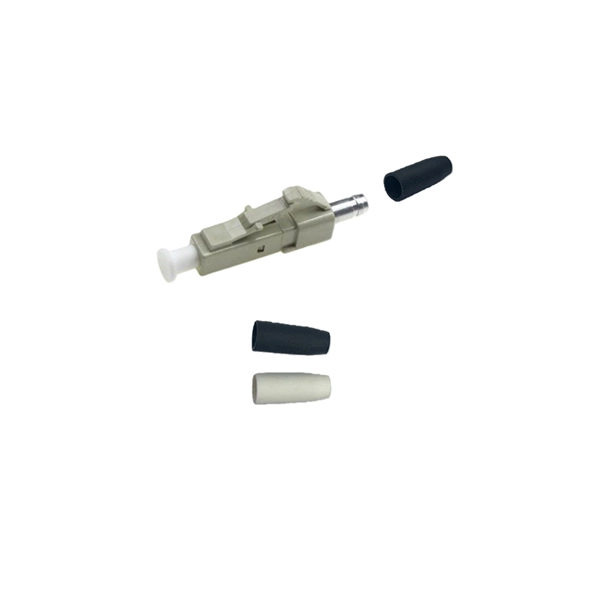
Classification of Fiber Optic Current Sensors
This article explores the different types of Fiber Optic Sensors, their working principles, and various applications. Fiber optic current sensors are revolutionizing the way electrical currents are measured, providing high sensitivity, immunity to electromagnetic interference...
[PDF Version]
-
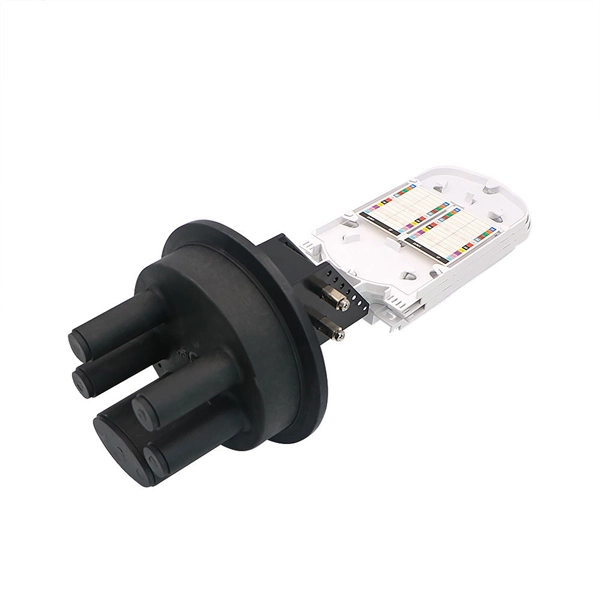
Can fiber optic sensors identify wire color
Fiber optic sensors detect color by measuring reflected wavelengths; methods include comparison and triangulation. By adopting the TIA/EIA‑598C standard, you gain a universal “language” of colors that speeds identification, reduces miswiring, and enhances safety. Fiber optic...
-
Are there any distributors for fiber optic sensors
Explore 73 top manufacturers and suppliers of Fiber Optic Sensors in our comprehensive photonics buyers' guide. A fiber optic sensor is a device that uses optical fibers to detect and measure physical, chemical, biological, or environmental parameters. Use this fiber-optic...
[PDF Version]
-
Advantages of Fiber Optic Multimode and Single-mode Multiplexing
Singlemode fiber has a small core. This makes it good for long distances. It lets light travel in many paths. This guide breaks down the differences in a clear, practical way so you can confidently choose the right fibre for your application. It only suffers from chromatic...