
Fiber Optic Pressure Sensors
Search optical fiber, connectivity, cable management and network infrastructure references.
- Fiber
- Optic
- Pressure
Articles and technical references
11 on this page-
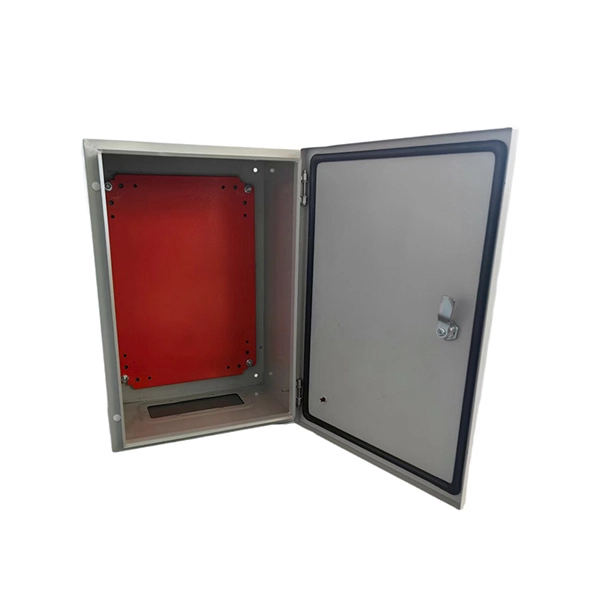
Conductive fiber optic pressure sensor
These sensors utilize optical fibers to detect pressure changes, making them immune to electromagnetic interference (EMI) and ideal for use in harsh conditions, such as in the oil and gas, aerospace, and medical industries. Fiber-optic sensing (FOS) technology has emerged as...
[PDF Version]
-

The Role of Automated Fiber Optic Sensors
This is the power of fiber optic sensing, a technology that transforms ordinary optical fibers into the digital world's sensory network. In 2023, researchers turned submarine cables into earthquake warning systems and gave electric vehicles “optical nerves” to prevent...
-
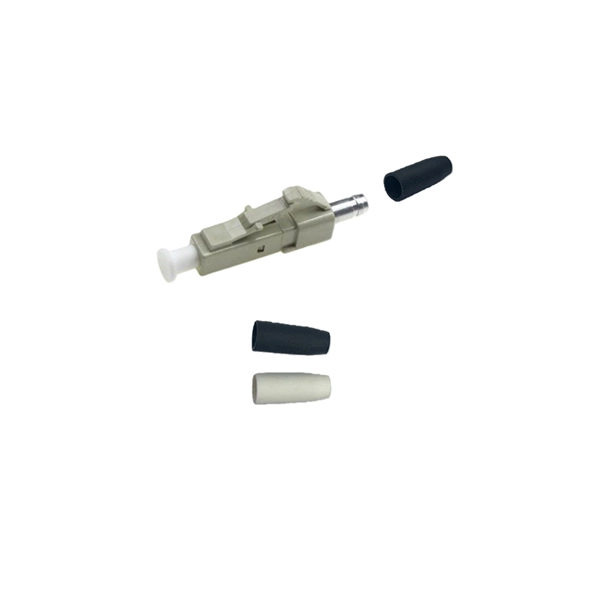
Classification of Fiber Optic Current Sensors
This article explores the different types of Fiber Optic Sensors, their working principles, and various applications. Fiber optic current sensors are revolutionizing the way electrical currents are measured, providing high sensitivity, immunity to electromagnetic interference...
[PDF Version]
-
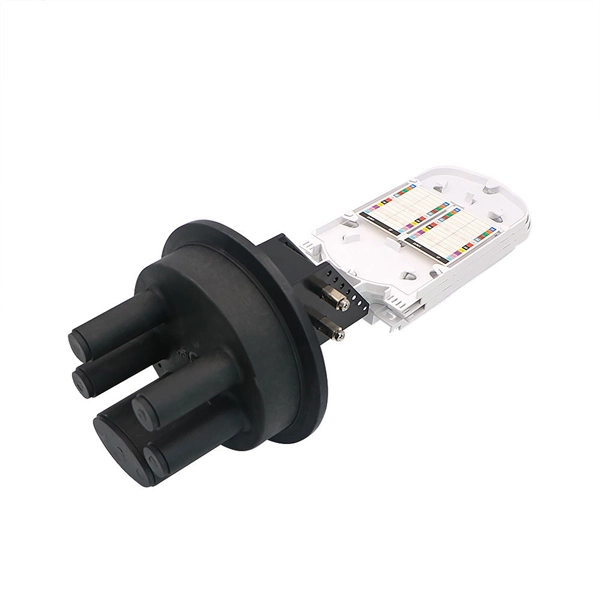
Can fiber optic sensors identify wire color
Fiber optic sensors detect color by measuring reflected wavelengths; methods include comparison and triangulation. By adopting the TIA/EIA‑598C standard, you gain a universal “language” of colors that speeds identification, reduces miswiring, and enhances safety. Fiber optic...
-
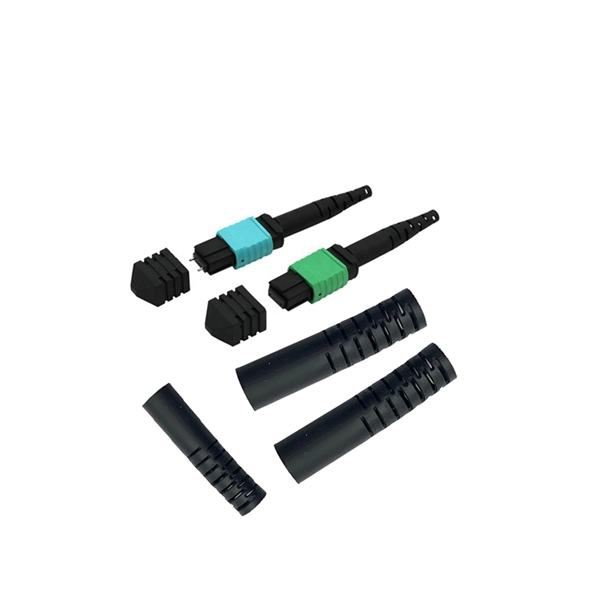
Are there any distributors for fiber optic sensors
Explore 73 top manufacturers and suppliers of Fiber Optic Sensors in our comprehensive photonics buyers' guide. A fiber optic sensor is a device that uses optical fibers to detect and measure physical, chemical, biological, or environmental parameters. Use this fiber-optic...
[PDF Version]
-
Principle of Thin Fiber Optic Sensors
A fiber optic sensor measures a physical quantity by modulating the intensity, spectrum, phase, or polarization of light traveling through the optical fiber system. It's a device that converts light rays into electronic signals. Optical fiber sensors (OFSs) have emerged as...
[PDF Version]
-
What is the significance of small size for fiber optic sensors
Their small size and non-invasiveness allow for in-vivo monitoring, providing real-time data on physiological parameters. Applications range from monitoring intraocular pressure in glaucoma patients to measuring blood flow and tissue health. Optical interferometric sensors...
[PDF Version]
-

Typical characteristics of fiber optic sensors
As a sensing technology based on the principles of optical fiber, fiber optic sensors have gradually become key equipment in many industries due to their advantages, such as high precision, strong anti-interference, and long transmission distances. It's a device that converts...
-
Certifications for Fiber Optic Sensors
In this article, we will attempt to match desired skills with some of the more common certifications, particularly from three key training providers: BICSI, The Fiber Optic Association (FOA), and Optical Technology Training (OTT). These services are offered by our training...
[PDF Version]
-

Principle of Fiber Optic Acoustic Sensors
Optical Fiber Distributed Acoustic Sensors: A ReviewThis article reviews the principles involved in DAS system, including three types of reflectometry to l.
[PDF Version]
-
What is the working principle of fiber optic seismic sensors
Principles and Applications of Seismic Monitoring Based on. This paper reviews the principles of the four optical seismic sensors, as well as their appl.
[PDF Version]