Skip to content
AK OPTICALSystems Send a project enquiry
Reference library

Fiber Optic Switch Usage Scheme

Published
  • Fiber
  • Optic
  • Switch
Source context

AI source overview

Fiber optic switches are used to dynamically control light paths in optical networks, enabling efficient routing, redundancy, and high-speed data management across multiple applications.

Overview of Fiber Optic Switches

Fiber optic switches are devices that selectively route optical signals from one fiber to another without converting the signal to electrical form, preserving high bandwidth and low latency. They are essential in networks where signal continuity, redundancy, and flexible routing are critical. Switches can be mechanical, solid-state, or acousto-optic, each offering different switching speeds, durability, and operational characteristics.

Types of Fiber Optic Switches

Mechanical Switches: Physically move fiber ends or mirrors to redirect light. Suitable for low-speed or less frequent switching, offering simplicity and low cost.

Solid-

State Switches: Use electro-optic effects to switch light electronically, providing fast switching speeds and high reliability, ideal for high-speed networks.

Acousto-

Optic Switches: Employ sound waves to create diffraction gratings that redirect light, offering ultra-fast switching for telecommunications and high-performance applications.

MEM

S and Liquid Crystal Switches: Provide high-speed, low-power switching suitable for large-scale data centers and dynamic routing environments.

Usage Scheme in Networks

Traffic Management in High-Speed Networks: Switches dynamically route optical signals to optimize bandwidth and prevent congestion, ensuring uninterrupted service. Redundancy and Failover: In case of node or path failure, switches can reroute signals to backup fibers, maintaining network reliability. Data Center Connectivity: Switches connect servers, storage systems, and networking devices, streamlining data flow and improving scalability.

Testing and Diagnostics: Switches allow rapid switching between fiber paths for equipment testing without manual reconnections, reducing wear and increasing precision. Media and Live Event Routing: Optical switches manage video and audio feeds, providing low-latency, high-quality signal routing for live production. Industrial and Medical Applications: Switches route data between sensors, controllers, and imaging systems (e.g., MRI or CT scanners), ensuring efficient and reliable communication.

Aerospace and Satellite Communications: Switches maintain robust communication paths in environments with stringent performance requirements.

Implementation Considerations

Switching Speed: Mechanical switches are slower; MEMS or liquid crystal switches are faster and suitable for real-time applications. Scalability: Modular switches allow expansion for growing networks, supporting high-density fiber connections. Environmental Durability: Rugged switches withstand extreme temperatures, vibration, and dust, essential for industrial or military use.

Energy Efficiency: Solid-state and MEMS switches consume less power, reducing operational costs in large deployments.

Summary

A fiber optic switch usage scheme involves strategically placing switches to manage traffic, provide redundancy, enable testing, and optimize data flow across various applications. By selecting the appropriate type of switch and configuring it according to network requirements, organizations can achieve high-speed, reliable, and flexible optical communication while minimizing downtime and maximizing bandwidth efficiency.

Research context

Reference summary

Fiber Optic Switches and Their Uses There are two types of fiber optic switches commonly available. A so-called "moving fiber switch" and a switch that con.

From reference to enquiry

Questions for your project

Use these editorial prompts alongside the linked excerpts. They identify items to confirm for your project.

Technical notes

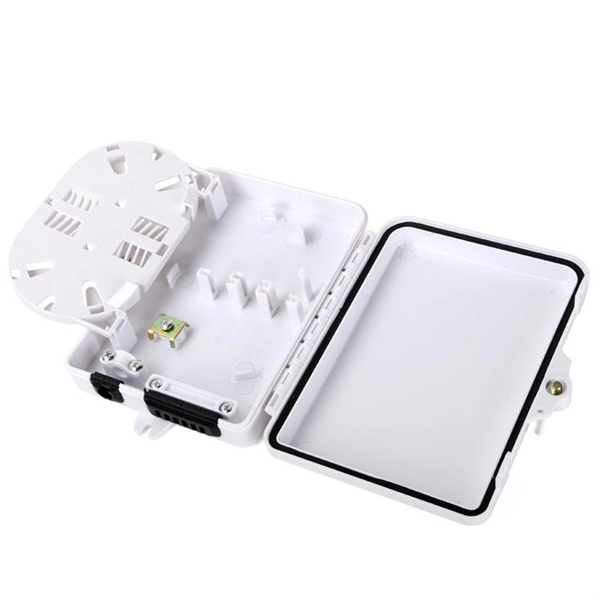
Illustrative equipment image

Fiber Optic Switches and Their Uses

There are two types of fiber optic switches commonly available. A so-called "moving fiber switch" and a switch that converts an incoming light signal to an electrical signal, performs its switching functions in

Fiber Optic Switch: A Comprehensive Guide

In telecom networks, optical switches enable automatic protection switching (restoring traffic within 50 ms of a fiber cut), dynamic wavelength routing in ROADM-based DWDM networks,

Use Cases

Application: Managing traffic in high-speed fiber optic communication networks. Purpose: Enables efficient switching between data paths to optimize bandwidth and ensure uninterrupted service.

Design and implementation of optical switching network OSN

The aim of this paper is to build a fiber-optic network that includes the optical switch, which is the most crucial component due to its critical role in fulfilling the demands of the fiber-optic

FiberSwitch® Light switching for optical systems

We use all fiber types to produce hybrid cables with optical fibers, electrical conductors, pneumatic lines or similar, covering almost all possible configurations.

What Is a Fiber Switch? Core Functions, Types, and Use in Modern

Fiber switches play an essential role in meeting these demands, especially in enterprise data centers, telecommunications, and cloud infrastructures. This article will explain what a fiber

Fiber Optic Ring Network Design Explained:

Learn how to design a fiber optic ring network with practical diagrams, topologies, and switch setup tips. Explore ring network switch options

Fiber Optic Switch Guide: Definition, Connection Methods, Cabling

A practical B2B guide explaining what a fiber optic switch is, how to connect fiber optic cable to Ethernet switches, how to connect two switches with fiber, how to disconnect fiber safely,

Understand GPON Technology

GPON is an alternative to Ethernet switching in campus networking. GPON replaces the traditional three-tier Ethernet design with a two-tier optic network which eliminates access and

Unlocking the Power of Fiber Switches: A Comprehensive Guide to

Fiber switches play an essential role in the architecture of the latest virtual data networks, providing high capacities, better network operability, and excellent dependability. With the need for

What is Fiber optic switch

In conclusion, a fiber optic switch is a crucial networking device that enables the routing and management of data in fiber optic networks. By understanding how fiber optic switches work and

Network Switching Functions

Electro Standards Laboratories provides detailed block diagrams of network switching functions, developing a virtual encyclopedia of copper and fiber optic network switch applications.

Optical Switches: Guide to Classification, Models, Functions

Optical switches play a critical role in fiber optic networks by enabling efficient routing and management of optical signals. In this comprehensive guide, we will explore the classification,

Optical Switch Tutorial | by FiberStore | Medium

An optical switch may operate by mechanical means, such as physically shifting an optical fiber to drive one or more alternative fibers, or by electro-optic effects, magneto-optic effects, or

What is a Fiber Optic Switch?

Optomechanical switches use actuators to move optical components like mirrors or prism to redirect the optical signals to the selected output optical fibers as shown in the above figure. These

How Are Network Switch Connect To Fiber

Learn how network switches connect to fiber optics for fast and reliable data transmission. Understand the benefits and considerations of this

What is a fiber optic switch?

A fiber optic switch, also known as an optical switch, is a device used in fiber optic networks to enable the routing and switching of optical signals. It provides the capability to selectively

Fiber Optical Switches – Secure And Reliable Solutions

Discover Fibersystem''s fiber optical switches for high-speed, secure, and reliable data management. Contact us to learn how they fit your network needs!

Share your network requirements

Share the fiber interfaces, termination capacity, cable route and evidence required for handover.

Send a project brief