
Fiber Optic Vs Ethernet Port Differences Connectors
Search optical fiber, connectivity, cable management and network infrastructure references.
- Fiber
- Optic
- Ethernet
Articles and technical references
11 on this page-
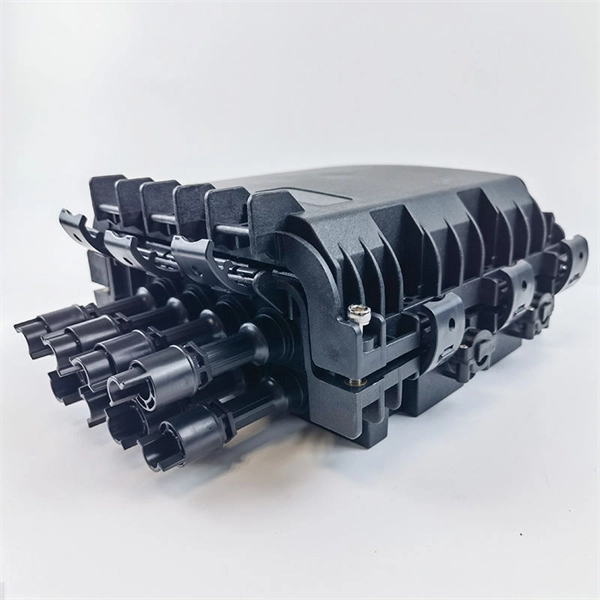
How to convert fiber optic cable to Ethernet port connection
How to Connect Fiber Optic Cable to Ethernet? In summary, you cannot directly connect fiber optic cable to Ethernet; you need a media converter or a device.
[PDF Version]
-
Does the fiber optic terminal box have a network port
Ethernet Port: These ports are used to share the internet connection with your router or modem. It carries the digital signals that the ONT has created/converted from the fiber-optic cable signals. It terminates the drop cable and presents standardized adapter ports (commonly...
-
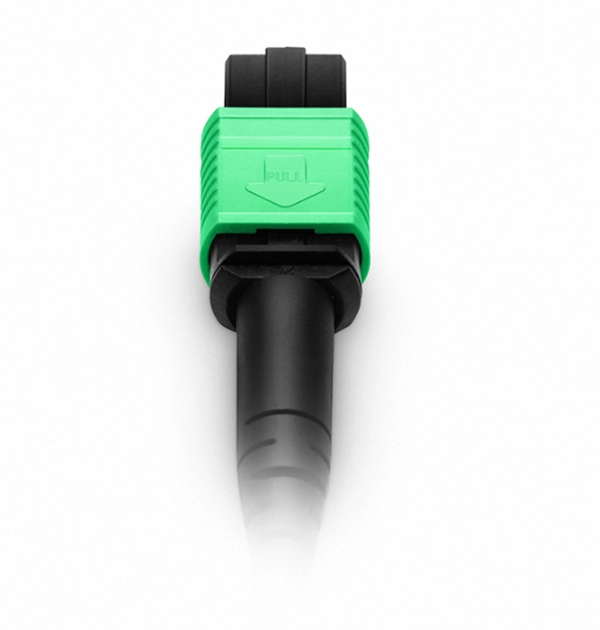
How to use the fiber optic input port of a switch
In this video, I'll break down 3 easy and practical ways to use fiber ports for high-speed connections: ✅ Method 1: SFP Copper Transceivers (RJ45 Media Converters) ✅ Method 2: Optical Modules + Fiber Patch Cables (LC-LC, Multimode/Singlemode) ✅ Method 3: Plug-and-Play. In...
[PDF Version]
-
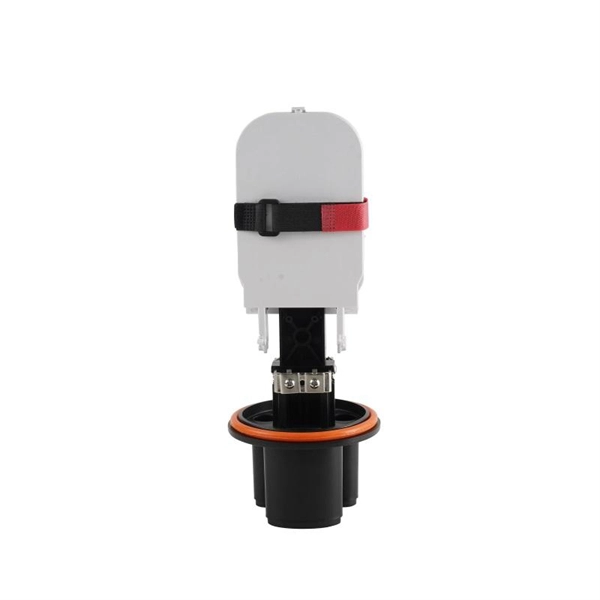
What is the ST port on a fiber optic patch cord
ST is an acronym for “Straight Tip”. This type of connector is metal and uses a bayonet style plug and socket. Essentially, this means the connector is twist and lock (but NOT actual screw on) like the common BNC connector seen used in A/V applications (often seen used on...
[PDF Version]
-
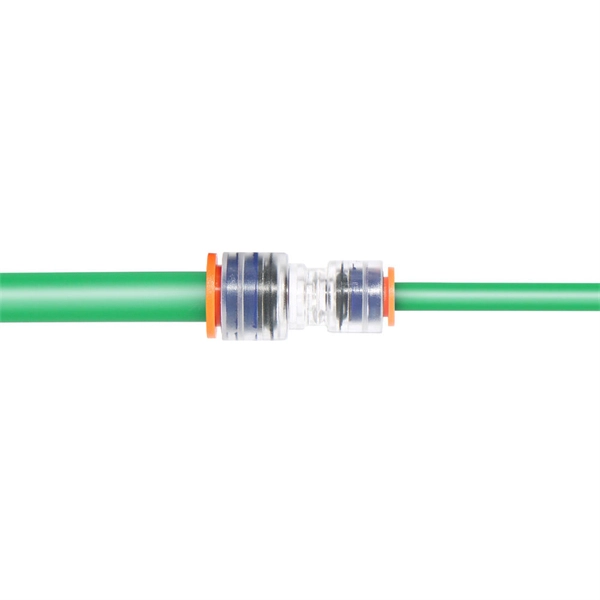
Single-mode fiber optic Ethernet conversion module
This kit includes a pair of media converters, SFP transceivers, and US power adapters (enclose free EU plugs), enables fast and handy integration of fiber and copper. Serve 1000Mbps gigabit bandwidth fast network speed over single-mode LC fiber, ensuring smooth data...
[PDF Version]
-
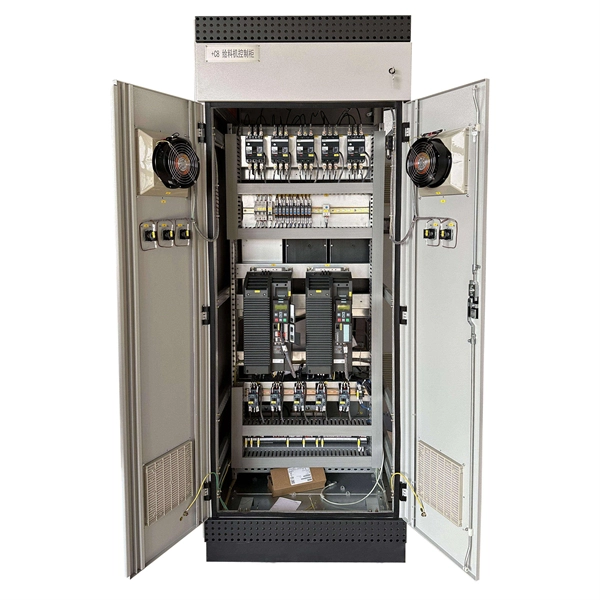
Differences between fiber optic pigtails
In this comprehensive guide, we will explore the different types of fiber optic pigtails, including LC, ST, and SC pigtails. Each type has its own unique design, size, and compatibility features. Understanding these differences is essential for choosing the right pigtail for...
[PDF Version]
-
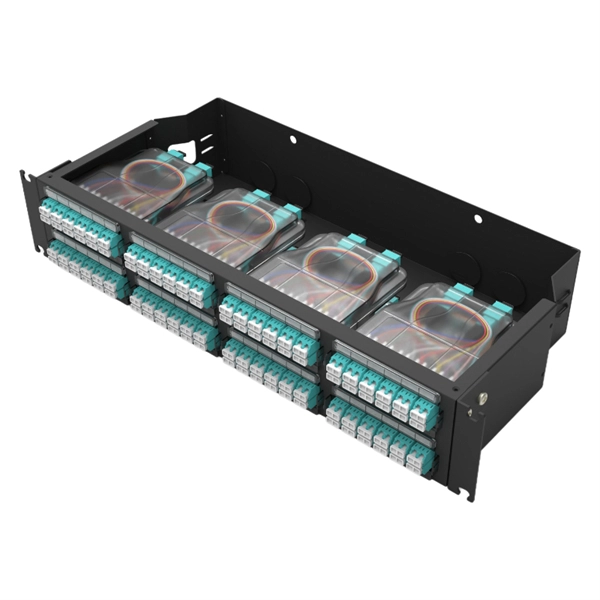
What to do if the fiber optic tray port is not glowing
Begin troubleshooting by performing a visual inspection of the fiber optic transceiver. Ensure that the transceiver is properly inserted and securely seated in the port. It also introduces diagnostic commands used across major enterprise platforms such as Cisco. This article...
[PDF Version]
-
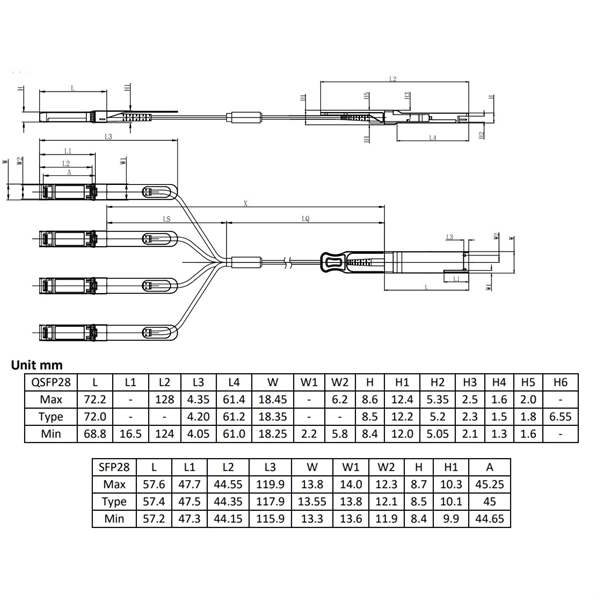
Which port should I plug the fiber optic cable into when changing the router
This cable must then plug into the dedicated Internet or Wide Area Network (WAN) port on your router. To connect your fiber optic cable to a router, ensure you have the following: Fiber optic modem (ONT): Most fiber connections require an Optical Network Terminal (ONT)...
-
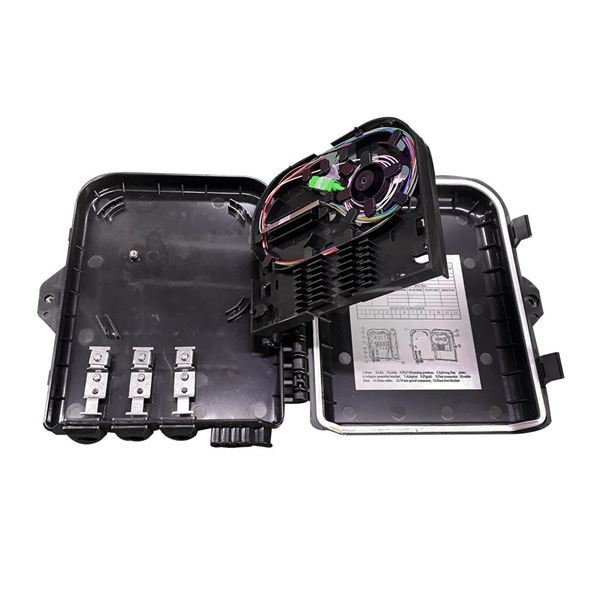
The router has no fiber optic cable port
Q: Can I plug a fiber optic cable directly into a router? A: Only if your router has an SFP port designed for fiber. Q: Do I need a special router for fiber optic internet? A: While not all routers support fiber, many modern models. To connect your fiber optic cable to a...
[PDF Version]
-
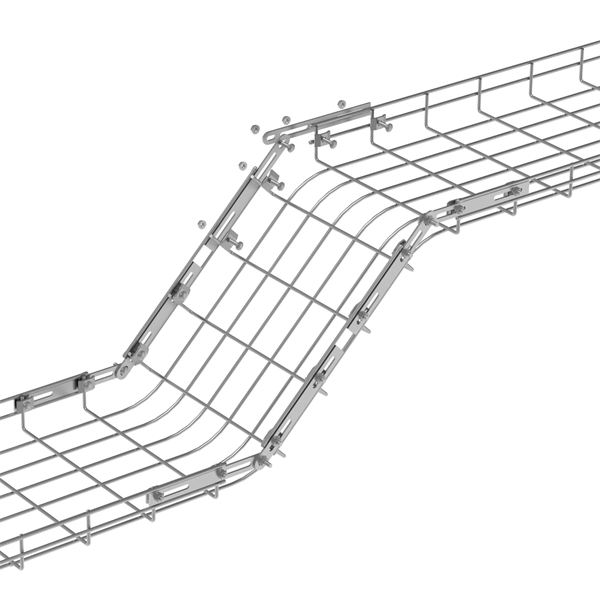
Panel with a single fiber optic port
Fiber patch panels, also called fiber optic patch panels, are essentially an array of fiber connector ports on one panel. They serve as fiber cable distribution hubs. NG4access ® Cabled Modules available in all module sizes and fiber counts up to 864 fibers NG4access ® Splice...
[PDF Version]
-
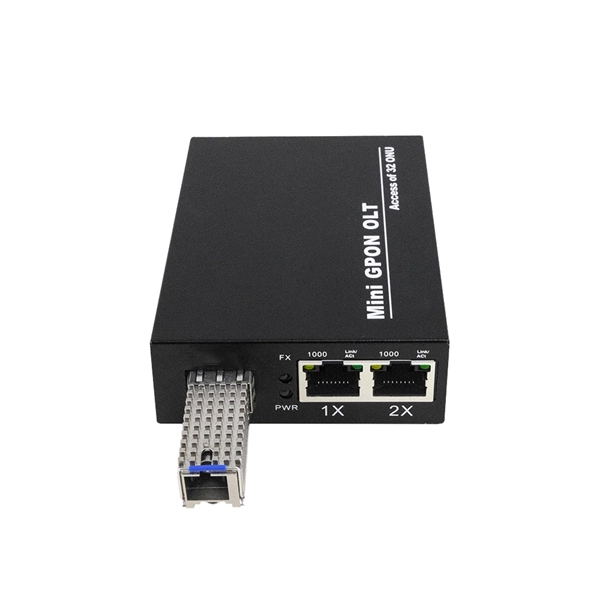
Which port should the pigtail of the fiber optic transceiver be plugged into
The connector end plugs directly into active equipment, an ODF port, or a fiber splice tray, while the bare fiber end creates a low-loss permanent joint with the incoming cable. A Fiber Patch cord connects two devices. You plug it into a switch, router, or patch panel. This...
[PDF Version]