
Fk3 421p Fa Patchcord Cable End Face System Microscope
Search optical fiber, connectivity, cable management and network infrastructure references.
- 421P
- Patchcord
- Cable
Articles and technical references
10 on this page-
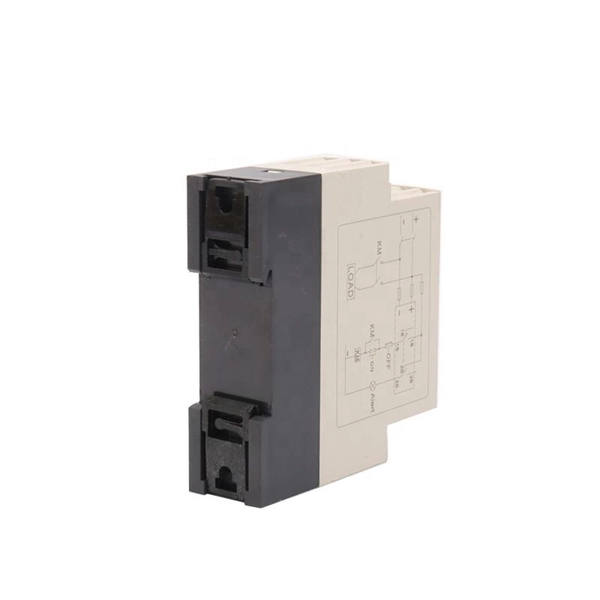
Cable tray small end becomes large
Cable sag results from incorrect spacing of cable tray supports or from employing the incorrect tray type that is, light-duty perforated trays in high-load applications. Complicating the problem are overloaded trays and large unsupported spans. Sagging causes tension at...
[PDF Version]
-
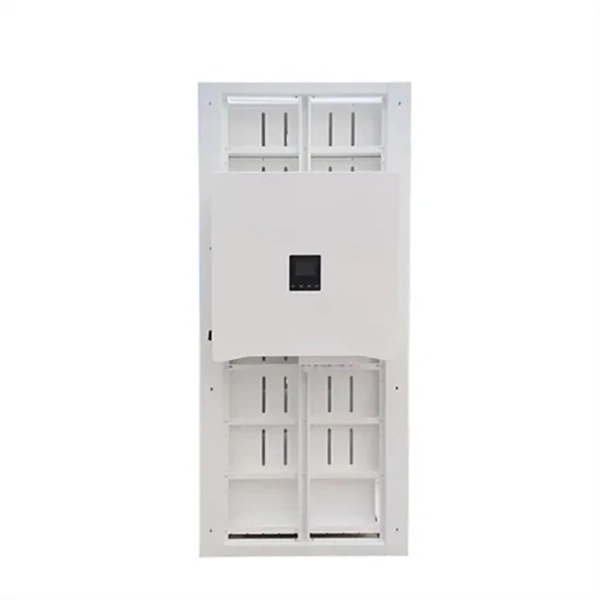
Cable trays on tunnel end walls
Cable trays are installed by anchoring brackets or threaded rods to solid surfaces on the tunnel wall or the ceiling of the tunnel, with modular sections that can be adjusted to follow the path and slope of the tunnel. Cable trays provide a support structure to lay out cables...
-
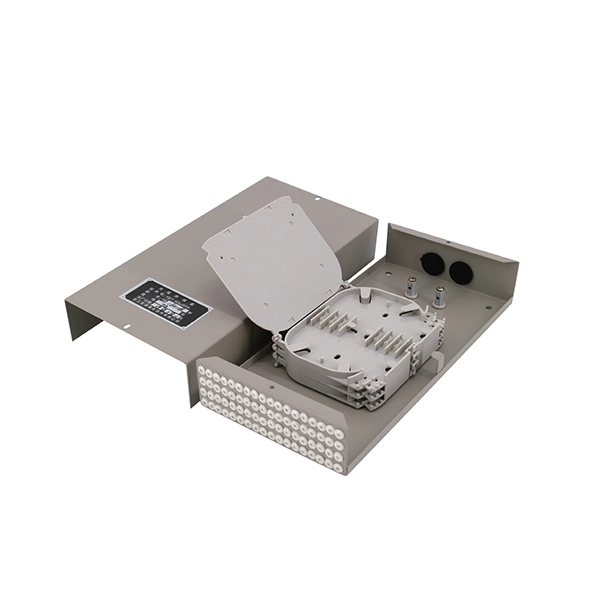
Is the pigtail cable present at one end or both ends
A pigtail connector is a short cable with a connector on one end and bare (stripped) wire or fiber on the other. In fiber optics, pigtails are fusion-spliced to field fiber inside splice trays — the most common termination method in telecom and data center networks. In...
-
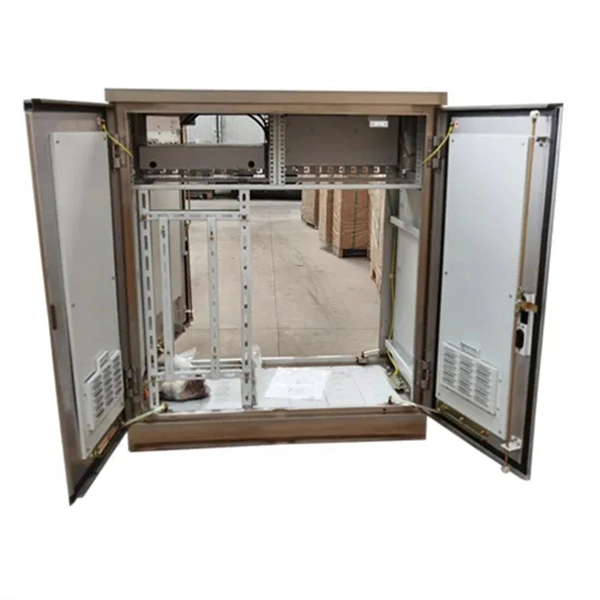
Connect one end of the optical cable to the optical module
How to Connect Fiber Optic Cables to SFP Modules | Weunion GuideAlign the module with the device's SFP port, ensuring TX/RX labels match the cable's direct.
[PDF Version]
-
Fiber optic cable routing channel bend
The normal recommendation for fiber optic cable is the minimum bend radius under tension during pulling is 20 times the diameter of the cable (d). While installers are aware of the fundamental importance of minimum bend radii, they often lack the practical know-how to. A...
[PDF Version]
-
Trough-type cable tray mesh
Unlike ladder or wire mesh cable trays, trough type cable trays use a fully enclosed structure formed from a single steel sheet, creating a protective channel that shields cables from external interference. Far superior to traditional conduit in many applications, cable tray...
[PDF Version]
-
What type of cable tray is a rigid cable tray
Cable trays are mechanical support systems that provide a rigid structural system for electrical cables, raceways, and insulated conductors used for electric power distribution, control, signal instrumentation, and communication. There are several types of cable trays...
-
Are cable trays and ladders universally compatible
In most cases cable ladders are the preferred choice, however; cable trays are better suited when aesthetics and radio/electromagnetic interference are important considerations. Cable trays are also useful for protecting sensitive cabling and tubing. Two common solutions are...
[PDF Version]
-
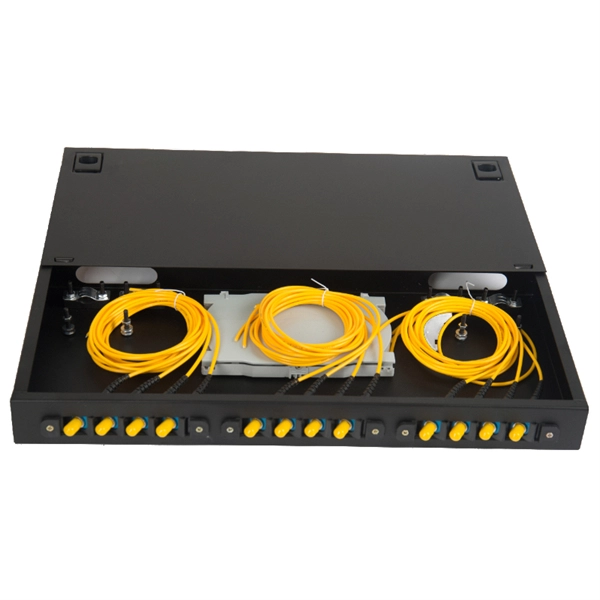
There is no space for cable trays in the stairwell
Answer: The 1996 NEC in sections 318-6 (i) and (j) indicates that there shall be sufficient space maintained around cable trays to allow adequate access for installing and maintaining the cables and that cable trays shall be exposed and accessible. The primary rulebook used...
[PDF Version]
-
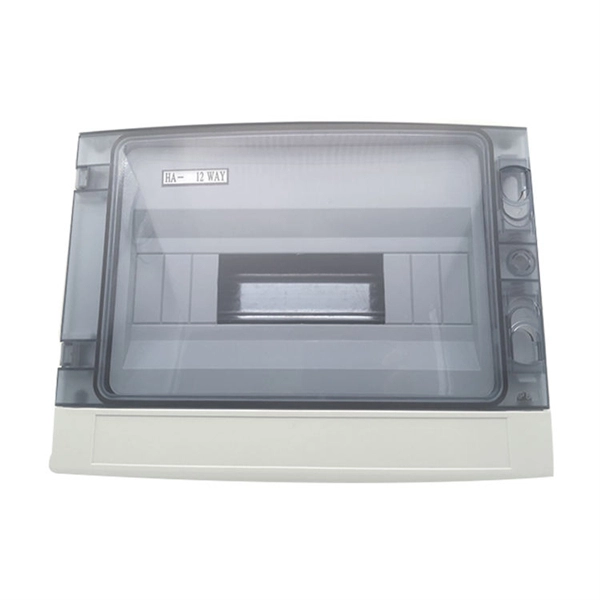
AOC Active Optical Cable 800G Available Now
Industry-leading 800G Active Optical Cables for hyperscale and AI computing clusters. Available in OSFP and QSFP-DD form factors, these cables deliver massive bandwidth density with the simplicity of a plug-and-play assembly. BlueOptics offers premium 800G Active Optical...