
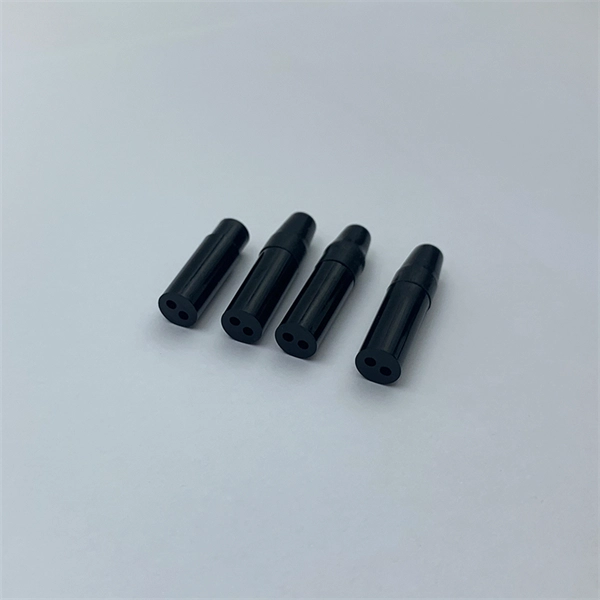
What is the purpose of a cable grommet?
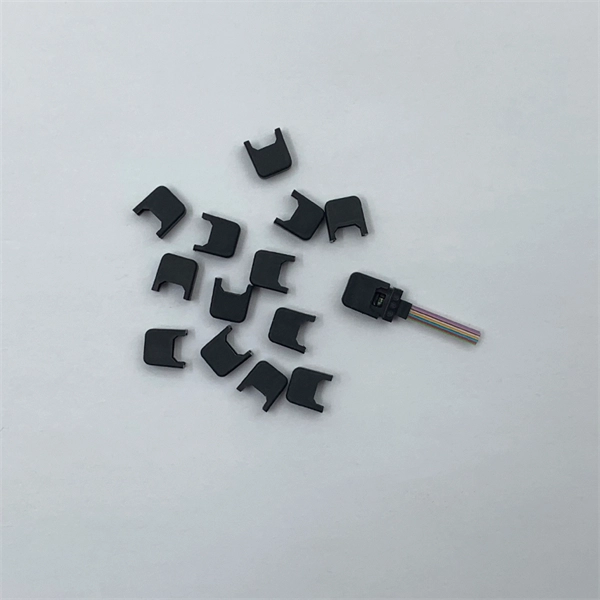
A cable grommet typically is a round edged ring inserted into a panel hole to protect pass through cables from chafing and abrasion as well as from...
Search optical fiber, connectivity, cable management and network infrastructure references.
Explore various cable tray types and sizes for electrical installations. Learn about ladder, perforated, solid-bottom, wire mesh, and channel trays in this complete guide. Wire. Understanding the types of cable containment systems, including trays, trunks, and conduits, helps...
[PDF Version]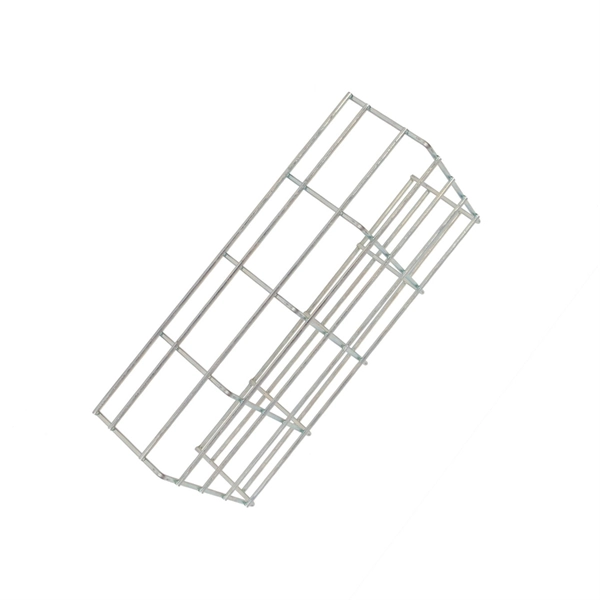
Firestopping Requirements for Cable Trays and Sealing shall be tight and reliable, without visible cracks or voids. For large openings, install a fire-resi.
[PDF Version]A cable grommet typically is a round edged ring inserted into a panel hole to protect pass through cables from chafing and abrasion as well as from...
An open cable grommet is simply pushed through the panel hole by hand until it snaps firmly in place. The flexible material allows the grommet to b...
Choosing the right grommet is requiring 3 basic dimensions . Your cable diameter, the diameter of the panel hole and the panel thickness. FH dimens...
An electrical cable tray is a type of containment system used to support insulated electrical cables for power distribution, control, and communication. Unlike conduit systems, cable trays allow cables to be laid in bundles, improving accessibility, heat. -piece tray...
[PDF Version]
Choosing the right cable tray splice plates and connectors helps keep networks, fiber optics, and AV systems organized, protected, and up to code. This guide highlights five reliable options that balance durability, ease of installation, and compatibility with wire mesh cable...
The International Electrotechnical Commission (IEC) provides detailed guidelines for cable tray systems under IEC 61537. This standard outlines the construction requirements, testing methods, and performance parameters for cable trays and related support systems. FRP cable...
[PDF Version]
Check for proper IP/NEMA ratings and material quality. Ensure safe placement: install in dry, accessible areas with good ventilation and at appropriate height (typically ~1. Practice good wiring: secure grounding, neat cable management, proper insulation, and correct wire...
[PDF Version]
Cable trays support insulated electrical cables in industrial and commercial settings. There are several types of cable trays, including ladder, perforated, solid bottom, basket, and channel trays. Far superior to traditional conduit in many applications, cable tray systems...
This guide covers direct burial cable types (UF-B, USE-2, TC-ER-DB), NEC Table 300. 5 burial depth requirements, conductor sizing for underground runs, the UF-B vs. What Is Direct. These direct burial cable systems are particularly well-suited for telecommunications...
[PDF Version]
Explore various cable tray types and sizes for electrical installations. Solid-Bottom. Cable tray systems are engineered support structures designed to route, support, and protect insulated electrical cables used for power distribution, control, instrumentation, and...
Share the fiber interfaces, termination capacity, cable route and evidence required for handover.