
Flexible Horizontal Adjustble Splice Plate Instructions
Search optical fiber, connectivity, cable management and network infrastructure references.
- Flexible
- Horizontal
- Adjustble
Articles and technical references
8 on this page-
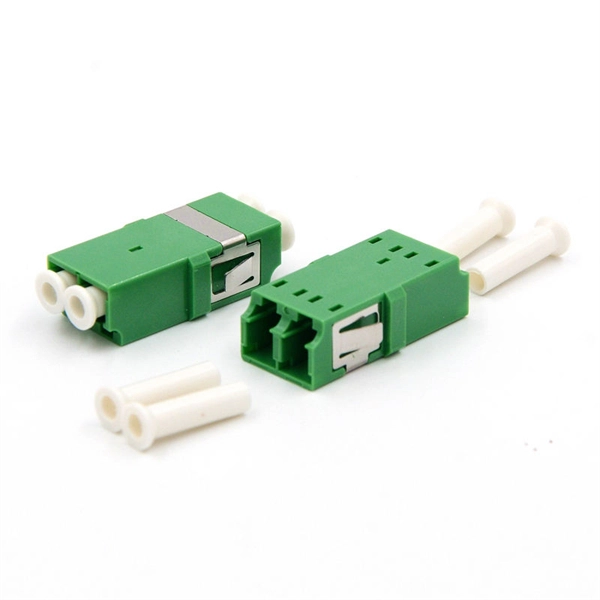
144-core optical fiber cable splice
144 Core Dome Fiber Optic Splice Closure GJS-M7, also known as fiber optic splicing closures, is a device used to provide space and protection for fiber optic cables spliced together. The fiber optic closure connects and stores optical fibers safely either in the outside...
[PDF Version]
-
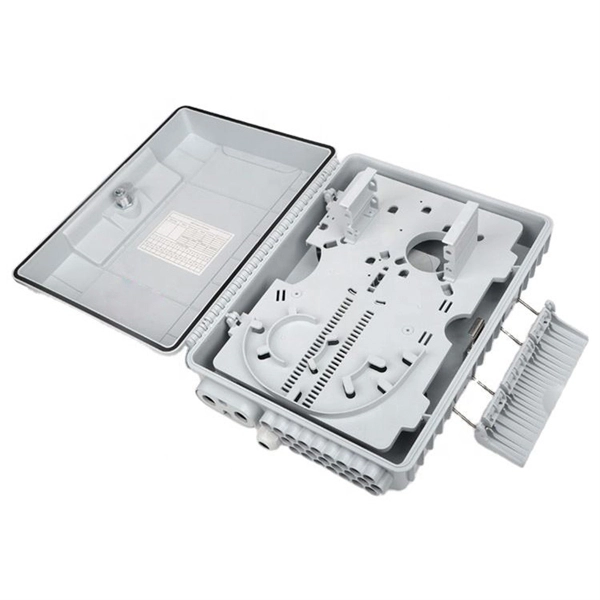
Fiber Optic Cable Splice Box 6-core Waterproof IP68
Fiber splice horizontal enclosure includes 6 trays and accommodates up to 144 fiber cables for outdoor use. Rated IP68 for protection from dust and water up to 1. The N600H-0144-6 is ideal for singlemode and multimode fiber infrastructure in. Discover 6 core fiber optic cable...
[PDF Version]
-
Cable tray straight and horizontal
Calculate horizontal, vertical, or compound cable tray offsets based on bend angle, offset distance, and available installation space. Far superior to traditional conduit in many applications, cable tray systems offer unparalleled accessibility for maintenance. The spacing...
[PDF Version]
-
Fiber Optic Cable SC Quick Cold Splice
The fiber optic quick connector/cold connector is a very innovative field-terminated connector, which contains factory-installed optical fiber, pre-polished ceramic ferrule and a mechanical splicing mechanism. Fiber fast connectors (also called mechanical splices or cold...
-
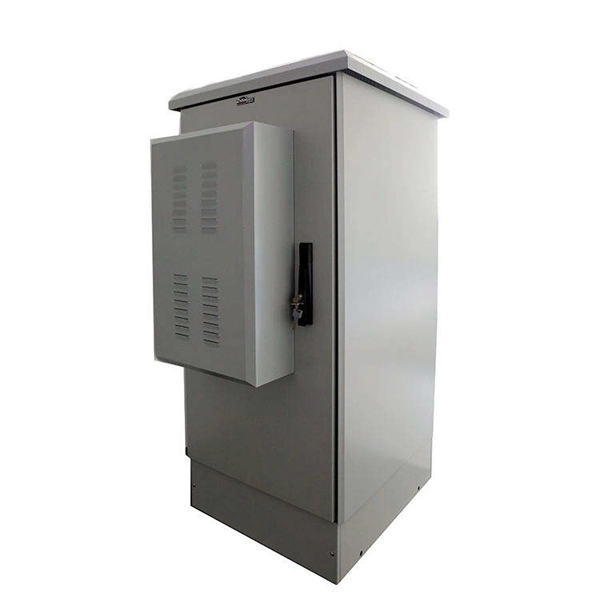
Are fusion splice boxes and junction boxes the same
While they are frequently used interchangeably, understanding the distinction is important for safety and code compliance, particularly when dealing with specialized systems. The. Junction boxes and splice boxes are both commonly used in electrical systems, but many people...
[PDF Version]
-
Connection methods for cable tray horizontal and vertical frames
Splice Plates: Connect straight sections of tray together securely. Drop-Outs: Allow cables to exit the tray vertically to connect to equipment below. This is the role of the cable tray system—a structured framework designed to support and organize insulated electrical...
[PDF Version]
-
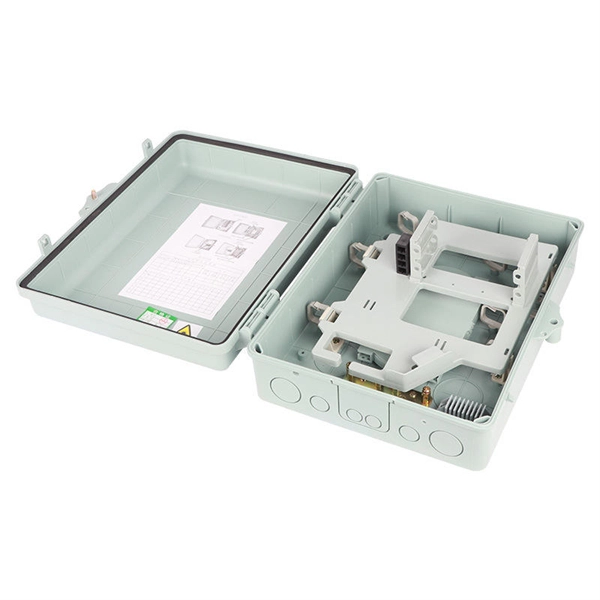
Elevation of horizontal cable trays
Elevations must be determined for either the top or bottom of the tray run. Show fabrication and installation details of cable tray, including plans, elevations, and sections of components and attachments to other construction elements. Designate components and accessories...
[PDF Version]
-
Gap between 10kV busbar and upper pressure plate
The NEC requires a minimum spacing of 12 inches (305 mm) between busbars, but this can be reduced based on the busbar current and configuration. These clearances help prevent arcing, short circuits, and. From time to time we are asked what bus spacings are required by ANSI...
[PDF Version]