
Technical notes
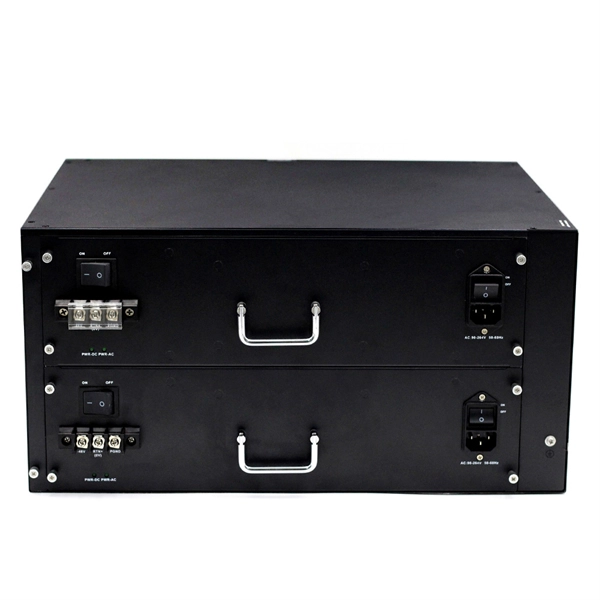
Fiber-optic splitter
OverviewTypesSplitting ratio principleAdvantages and disadvantagesSee also
A fiber-optic splitter, also known as a beam splitter, is based on a quartz substrate of an integrated waveguide optical power distribution device, similar to a coaxial cable transmission system. The optical network system uses an optical signal coupled to the branch distribution. The fiber optic splitter is one of the most important passive devices in the optical fiber link. It is an optical fiber tandem device with many input and output terminals, especially applicable to a passive optical network (EPON, GPON, BPON, FTTX
Fiber Optic Splitter: How It Works & Types Guide
Learn how fiber optic splitters work, types (PLC, FBT), and uses in FTTH/data centers. Understand signal splitting, key specs, and how to choose the right splitter.
Understanding FBT Splitters: Essential Components for Efficient
FBT handles high optical powers without saturation, supporting EDFA-boosted links up to 30 km, and offers excellent crosstalk isolation (>50 dB), crucial for bidirectional PONs to avoid
Understanding FBT Splitters in Modern Fiber Networks
At its core, an FBT splitter is a passive optical device that takes a single optical input signal and divides it into two or more output signals. The technology is elegantly simple yet highly
What is FBT Splitter?
FBT splitter, short for Fused Biconical Taper splitter, is a type of optical power splitter used in fiber optic networks to divide or combine light
How Does a Fiber Optic Splitter Work
According to the manufacturing technology of fiber optic splitters, there are mainly two types of splitters: PLC splitter and FBT splitter. PLC splitter is a fiber splitter manufactured based on
Fiber Optic Splitters for PON Networks: 2025 Guide
According to the Broadband Forum, PLC splitters are essential for achieving scalable and cost-effective GPON and XGS-PON deployment in
What is FBT Splitter?
In fiber optic networks, signal distribution is a critical function that ensures data can be efficiently transmitted to multiple endpoints. One of the key
What Is an Optical Splitter?
What''s an optical splitter? How does the fiber optic splitter work? How many fiber splitter types? How to choose the right fiber splitter? Find the answers in this article.
What is the Fiber Optical Splitter? | Sopto
PLC Splitter PLC devices are manufactured using semiconductor technology, which can integrate optical components with different functions into one chip, and can achieve up to 1x32 or
Splitters, PLC vs. FBT: What You Need to Know
If you''re familiar with passive optical networking, whether in the LAN or in the outside plant FTTX world, you likely know what an optical splitter (or
FBT Splitter vs. PLC Splitter: What Are the Differences?
Fiber optic splitter is a passive optical device that can split or separate an incident light beam into two or more light beams. Basically, there are two types of optical fiber splitter classified by
Different Package Type PLC Splitters
Different types of PLC splitters are designed to meet the different needs of OLT and ONT connection and splitting of optical signals in FTTH passive optical network.The most commonly used type of fiber
Type of Splitters for FTTH
Type of Splitters for FTTH : In this article, I will discuss about fiber optic splitters that widely used in FTTH network. A lot of telecom site engineers have confusions about the type of
What Is a Fiber Optic Splitter? Types, Functions & Guide | Weunion
Learn about fiber optic splitter types (PLC vs FBT), key functions, applications & how to choose. Weunion offers high-quality PLC/FBT splitters for FTTH, data centers & enterprise networks.
Fiber Optic Splitters | PLC & FBT Optical Splitters
Explore our comprehensive selection of high-performance fiber optic splitters. We offer a variety of PLC splitter types, including ABS box, LGX cassette, and rack-mount options with multiple split ratios.
FBT vs PLC Splitters – Key Differences in Fiber Networks
Discover FBT vs PLC splitters in fiber optic networks. Learn key differences, pros & cons, and best use cases for FTTH, telecom, and data center systems.
Fiber Optic Splitters
As with most technology, each type has both advantages and disadvantages when deploying them in a passive optical network. Fused Biconic Tapered Splitters FBT is the traditional technology in which
Related Video Reference
This video was associated with the source search result. Verify technical details against current product documentation and project requirements.