
Technical notes
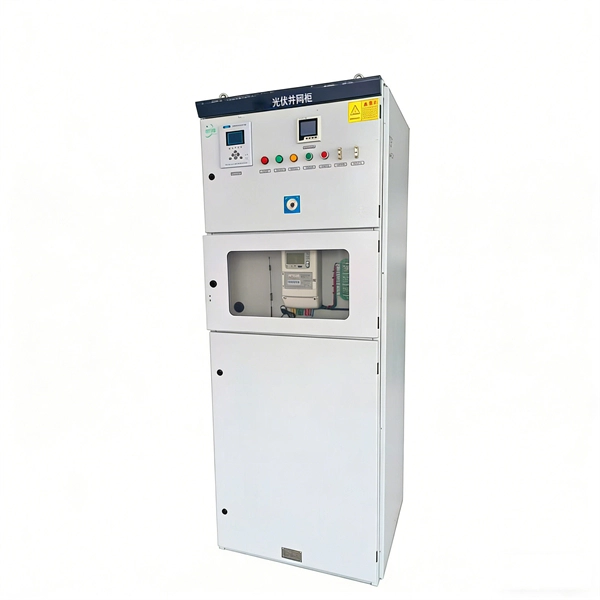
Basic protection relay knowledge
Protection is needed to detect electrical faults and abnormal operating conditions. Protection is also needed for protecting people and property around the power network. The protected zone is the part
Protective Relays: Function, Features & Operation
In other words, the prime function of protective relays is the timely and discriminative clearance of system faults. In practice a particular relay is usually set to ensure that its response is
Protective Relay: Working, Types, and Applications
Protective relays play a crucial role in power system protection, ensuring safety, reliability, and continuity of electrical supply. From traditional
What is a Relay? Working Principle, Types, and
A Thermal Relay is a protective electrical device that operates based on the heat generated by excessive current. It is commonly used to protect
Protective Relays: Types, Working Principle & Uses
Protective relays are power system protection devices that monitor current, voltage, frequency, impedance, or differential quantities and command
A Complete Guide to Protective Relays and Their Role
Meta description - Learn what a protective relay is, its importance, working, and types in modern electrical systems.
What Is Relay? How Relay Works?
A Relay is a simple electromechanical switch. While we use normal switches to close or open a circuit manually, a Relay is also a switch that
Protective Relay : Working, Types, Circuit & Its
A protective relay is used to protect the device once the fault is detected within a system. Once the fault is detected, the fault location is found and then provides
Protective Relays: Types, Working Principle & Uses
Common Protective Relay Device Numbers Power system drawings and relay settings often use standard device numbers to identify protection
Relay Fundamentals: A Comprehensive Guide for
Let''s start with discussing what a relay actually is. The Function of Relays Relays are electromechanical switches designed to control one or more
Protective relay
Electromechanical protective relays operate by either magnetic attraction, or magnetic induction. : 14 Unlike switching type electromechanical relays with
Protective Relaying Principles and Applications
Protective Relaying Principles and Applications The article provides an overview of protective relaying principles and their applications for high-voltage power
How Does A Relay Function – Coil, Switch, Contacts
A relay functions as an electrically operated switch, using a coil, contacts, and control signals to manage circuits safely. It enables automation,
Electrical Relay and Solid State Relays for Switching
Electrical Relays can also be divided into mechanical action relays called “Electromechanical Relays” and those which use semiconductor
Relay control and protection guides
Protection Relays The relay is a well known and widely used component. Applications range from classic panel built control systems to
Introduction to Protective Relaying | Electric Power
Introduction to Protective Relaying What are Protective Relays, or Protection Relays? Protective relays are used in industrial power generation and supply
Voltage Protection Relay: Working Principle and Functions
A voltage protection relay is an essential device to keep electrical systems running efficiently and safely. These devices are designed to suit many
Types of Protective Relays
This article covers various types of protective relays, such as overcurrent, directional, and differential relays, highlighting their operating characteristics and
Related Video Reference
This video was associated with the source search result. Verify technical details against current product documentation and project requirements.