
How can one identify a broken fiber optic cable?
To identify a broken fiber optic cable, start by performing a visual inspection for any physical signs of damage, such as bends, cracks, or breaks...
Search optical fiber, connectivity, cable management and network infrastructure references.
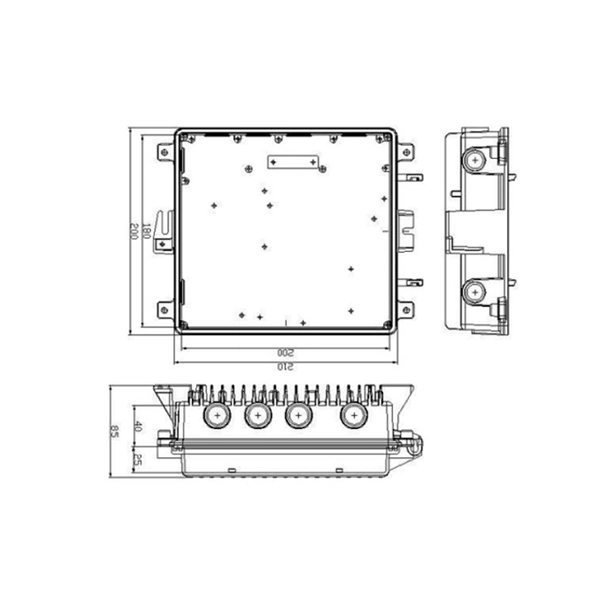
Professionals use two main tools: a bright red laser for short distances and a special computer for long distances. Finding the spot quickly keeps the project moving and saves money. This guide provides a detailed roadmap for locating and fixing fiber optic cable breaks...
[PDF Version]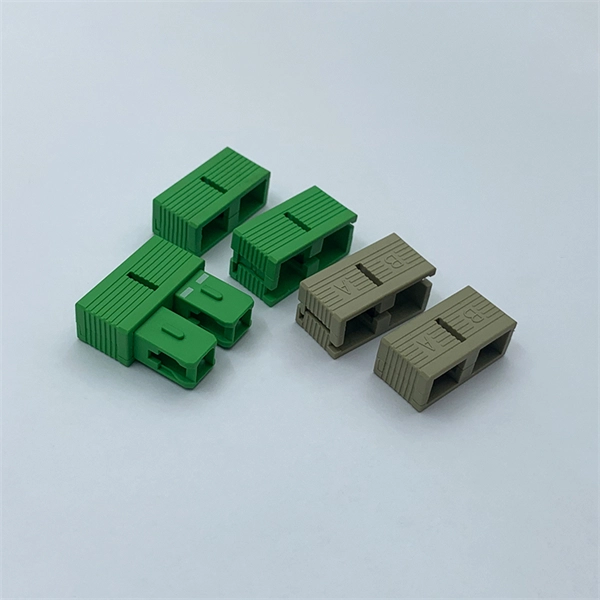
The document outlines the syllabus for a module on fiber couplers and connectors in optical fiber communications, focusing on fiber joint types, optical loss, and splicing techniques. Light from an input fiber can appear at one or more outputs. Fiber optic adapters, also...
In this video im showing and explaining how to climb a power pole using a fall protection belt, also drilling into a pole and framing it for 1/4 strand that will supports the fiber optic cable. moreDeploying fiber above ground on poles or towers removes the need for...
[PDF Version]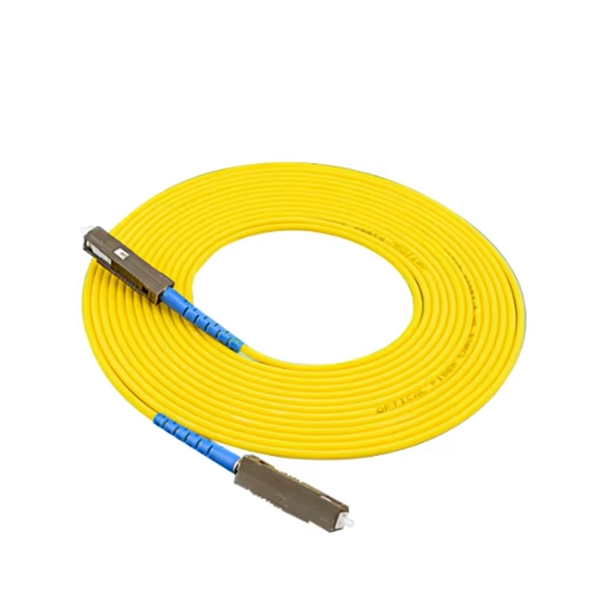
Fiber Optic Troubleshooting Guide: Problems, Tools & SolutionsThis guide offers practical steps to troubleshoot fiber optic cable issues, covering common p.
[PDF Version]To identify a broken fiber optic cable, start by performing a visual inspection for any physical signs of damage, such as bends, cracks, or breaks...
There are several methods to test fiber optic cables without a tester. One method is using a visual fault locator (VFL), as mentioned earlier, to v...
Intermittent fiber optic connections can be caused by a variety of factors, including: Poorly terminated connectors or splices that result in unsta...
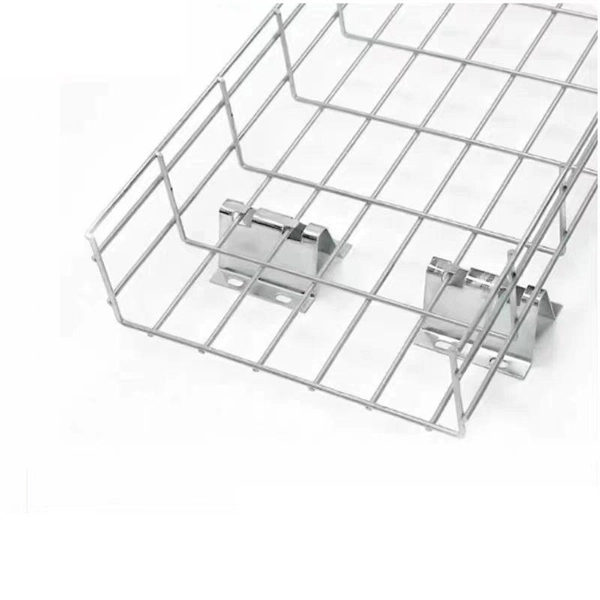
This helps keep fiber optic cables safe from harm and signal problems when you put them in. Try new methods like air blowing. In this comprehensive guide, we explore the expertise required for successful fiber optic cable pulling, examine industry challenges, detail safety...
[PDF Version]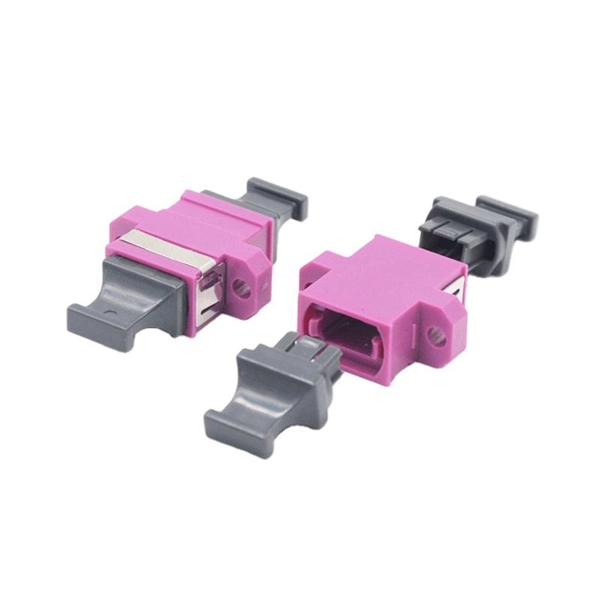
The routes for laying fiber optic cables may involve ducts, subterranean channels or elevated paths. Installation typically employs two techniques: pulling and blowing. After conducting thorough route planning and site assessment, fiber cables are deployed using either...
[PDF Version]
In this informative guide, we'll walk you through the step-by-step process of stripping and preparing fibre optic cable for termination, covering techniques, tools, and best practices to help you achieve successful terminations in your fibre optic installations. Properly...
[PDF Version]
What factors should be considered when selecting a fiber optic splice box? Consider the type of fibers, environmental conditions (indoor vs. outdoor), capacity requirements for current and future needs, ease of access for maintenance, and mounting flexibility to match the...
[PDF Version]
The two primary industry-accepted methods for fiber optic cable splicing are fusion splicing and mechanical splicing. The choice between them depends on performance requirements, budget constraints, and the specific application environment. Executive Summary: A fiber optic...
[PDF Version]Share the fiber interfaces, termination capacity, cable route and evidence required for handover.