
Grounding Requirements For Electrical Cables Cable Trays And
Search optical fiber, connectivity, cable management and network infrastructure references.
- Grounding
- Requirements
- Electrical
Articles and technical references
8 on this page-
Requirements for electrical cable trays in heat exchange stations
The International Electrotechnical Commission (IEC) provides detailed guidelines for cable tray systems under IEC 61537. This standard outlines the construction requirements, testing methods, and performance parameters for cable trays and related support systems. he New York...
[PDF Version]
-
Technical Requirements for Grounding of Electrical Distribution Boxes in Buildings
NEC Article 250 covers the general requirements for grounding and bonding of electrical installations. Grounding and bonding are critical for the safe operation of electrical systems, preventing electrical shock, fires, and ensuring the proper operation of overcurrent...
-

Grounding between cables and cable trays
Practices for grounding and bonding of cable trays All metallic cable trays shall be grounded as required in Article 250.96 regardless of whether or not th.
[PDF Version]
-
Requirements for spacing between strong and weak current cables in cable trays
Cable Tray Installation Rules (NEC 392) – Electrical TraderSupport spacing for cable trays must align with the manufacturer's instructions, as outlined in.
[PDF Version]
-
Latest grounding requirements for cable trays
NEC Article 392 governs cable tray systems. Grounding and bonding are mandatory for metallic trays. Tray fill limits must be calculated properly. These systems, made from metal or plastic, are open structures designed to support electrical conductors, ensuring proper...
-
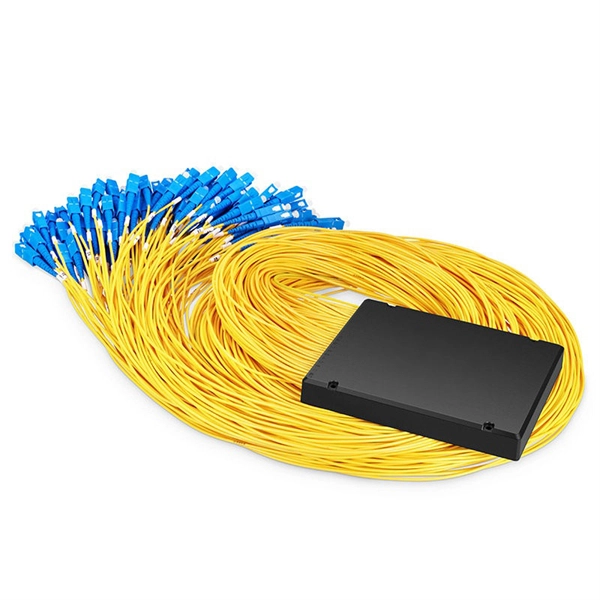
OPGW optical cable tower grounding
An optical ground wire (also known as an OPGW or, in the IEEE standard, an optical fiber composite overhead ground wire) is a type of cable that is used in overhead power lines. Such cable combines the functions of grounding and telecommunications. Prysmian has a built-in...
[PDF Version]
-
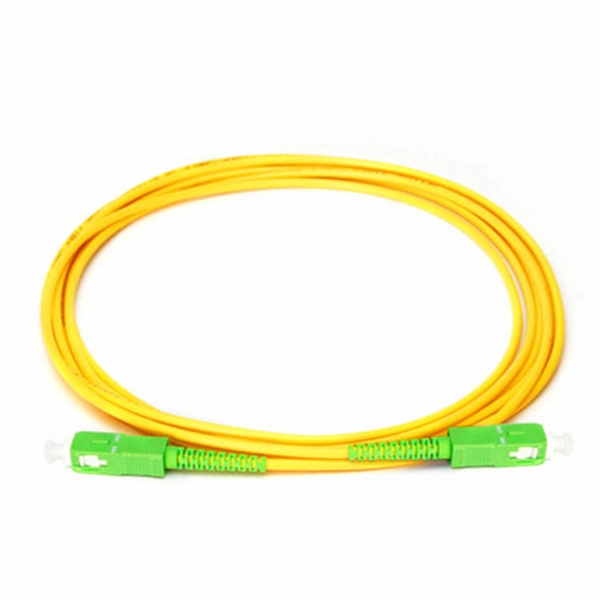
Use ladder-shaped cable trays for ordinary cables
NEC 392 recognizes several cable tray types, each with different structural properties and ventilation characteristics that affect fill rules and ampacity. Ladder tray consists of two side rails connected by rungs, similar to a ladder laid flat. Cable trays support insulated...
[PDF Version]
-
Requirements for spacing between cable trays
Support spacing for cable trays must align with the manufacturer's instructions, as outlined in NEC 392. Generally, standard trays require supports every 6 to 10 feet, while heavy-duty, long-span trays can handle distances of up to 20 feet between supports. The spacing...