
Technical notes
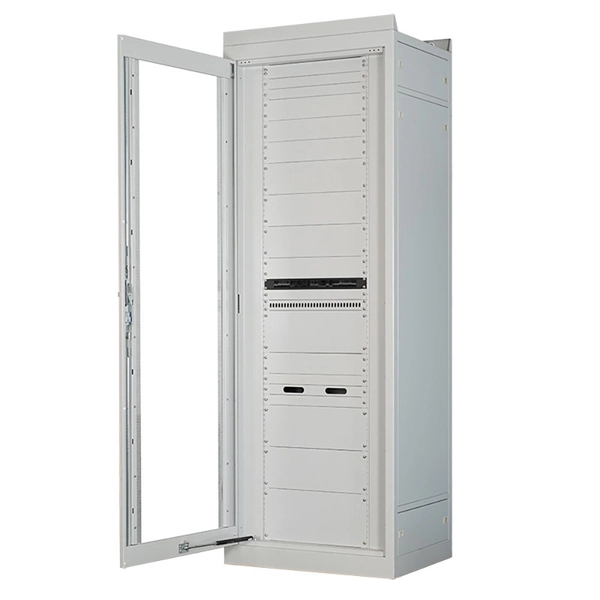
DISTRIBUTION BOX
Each DISTRIBUTION BOX and controller must be grounded. On the US market, a 5.26 mm 2 (10 AWG) ground wire must be used, and in all other markets a 6 mm 2 must be used.
Grounding System Installation Standards for Distribution Boxes and
Whether you''re a seasoned pro or just starting out, this comprehensive guide will give you practical insights into proper grounding techniques, with a special focus on how selecting quality
Grounding system construction: key points for grounding distribution
Everything looks perfect until the moment of truth arrives. That''s why today we''ll break down the life-or-death details of grounding distribution boxes and cable shielding layers using plain
Six wiring and grounding problems that lead to low power quality
In this technical article, typical wiring and grounding problems, as related to power quality, are presented. Possible solutions are given for these problems as well as the possible
Distribution System Grounding
Improper grounding in secondary systems can cause safety issues including fire and failure of equipment in homes. Most common problems are open secondary neutral, load incorrectly
Distribution System Grounding | part of Electric Power and Energy
Improper grounding in secondary systems can cause safety issues including fire and failure of equipment in homes. Most common problems are open secondary neutral, load incorrectly
Diagnosing Grounding Issues: A Comprehensive Guide to Identi
In metal boxes, confirm that the grounding conductor is bonded to the box with a grounding screw or approved clip, and that a pigtail connects the box to the receptacle''s green grounding terminal.
Live Neutral in Distribution Room: Troubleshooting Steps
In power systems, a live neutral at the distribution room is a common but problematic issue. If a voltage tester indicates about 70 V to earth, this usually points to leakage or poor
REVIEW OF GROUND FAULT PROTECTION METHODS FOR
First, we review and compare medium-voltage distribution-system grounding methods. Next, we describe directional elements suitable to provide ground fault protection in solidly- and low
The installation requirements for the distribution box
Learn how to install a distribution box safely and correctly. Covers wiring, placement, standards, and expert tips for a compliant setup.
Beginner''s Guide to Electrical Panel Troubleshooting
Understanding Electrical Panels Before diving into troubleshooting, understanding the basic components and functions of an electrical panel is important. The electrical panel, also known
Diagnosing Grounding Issues: A Comprehensive Guide to Identi
Grounding problems can make an electrical system unpredictable, unsafe, and difficult to troubleshoot. Flickering lights, frequent breaker trips, mild shocks from appliances, buzzing outlets, or inconsistent
Grounding Practices in Power Distribution Systems
The installation of grounding methods for transmission lines is absolutely necessary in order to guarantee the safety, dependability, and effectiveness of power distribution systems.
Septic System D-Box Problem Diagnosis
Septic system D box installation, specifications, inspection, diagnosis, and repair: in this article series about septic system drop boxes we describe the best procedures for locating and inspecting,
Does the Distribution Box Door Need Grounding? Safety Standards FAQ
Without grounding, anyone touching it becomes the path to earth—and gets shocked (or worse). NEC 250.148 doesn''t play favorites: The code mandates that all metallic parts of electrical
Distribution System Grounding
Summary Good system grounding provides the path for normal load and fault currents while maintaining load and controls temporary overvoltages. Good equipment grounding ensures
Grounding system construction: key points for grounding distribution
Grounding Distribution Boxes: Where Theory Meets Sweaty Palms The Dirty Secrets of "Quick Fix" Installations Picture this scene: An electrician rushes through a distribution box
Grounding Electrical Distribution Systems | part of Grounding
The first concern and the most important reason for proper grounding techniques are to protect people from the effects of ground-faults and lightning. Creating an effective ground-fault current path to