
High Performance Wavelength Division
Search optical fiber, connectivity, cable management and network infrastructure references.
- High
- Performance
- Wavelength
Articles and technical references
8 on this page-
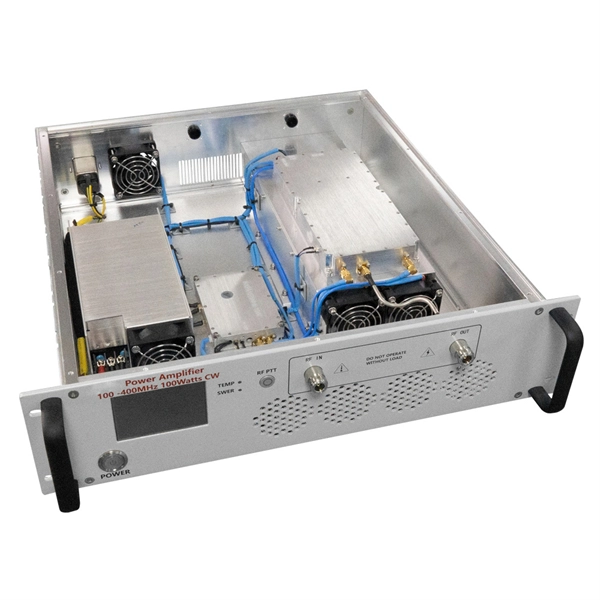
Anti-tracking performance comparison coarse wavelength division multiplexer vs copper vs fiber optic
High-Performance Wavelength Division Here, we develop a novel design approach that co-optimizes inverse-designed wavelength division multiplexers and distr.
[PDF Version]
-
G653 is not suitable for dense wavelength division multiplexing
G653 dispersion is 0 at 1550nm, not suitable for WDM system. Since the Dispersion compensation technology are improved for. In fiber-optic communications, wavelength-division multiplexing (WDM) is a technology which multiplexes a number of optical carrier signals onto a...
-
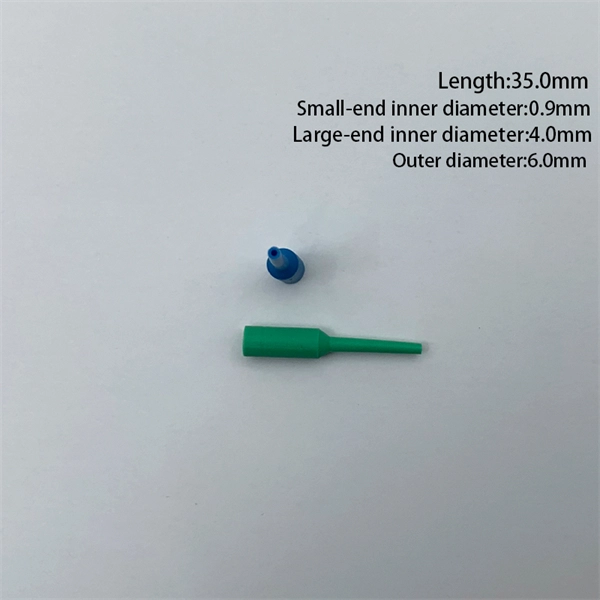
What does CWDM Central Wavelength Division Multiplexer mean
The acronym stands for Coarse Wavelength Division Multiplexing. As the name states, it is a form of multiplexed fiber optics, so CWDM networks can send simultaneous, two-way communication. In fiber-optic communications, wavelength-division multiplexing (WDM) is a technology...
[PDF Version]
-
Huijue Wavelength Division Multiplexing
In fiber-optic communications, wavelength-division multiplexing (WDM) is a technology which multiplexes a number of optical carrier signals onto a single optical fiber by using different wavelengths (i.e., colors) of laser light. This technique enables bidirectional...
[PDF Version]
-
Advantages of Wavelength Division Multiplexing Reduced Power
CWDM Advantages: · Cost-Effectiveness: Lower upfront costs for hardware and installation. The problem arises when the demand for bandwidth in a fiber optic network exceeds the current capacity, WDM helps in expanding the capacity of a fiber optic network without requiring...
[PDF Version]
-
Fiber optic convergence wavelength division multiplexing
Wavelength division multiplexing (WDM) is a technology for increasing the transmission capacity of optical fiber communications by sending multiple data channels simultaneously through a single fiber, each on a different wavelength of light. This technique enables...
-
Wavelength Division Multiplexing Conversion Disk
Each wavelength-converting transponder receives an optical data signal from the client layer, such as SONET/SDH or another type of data signal, converts this signal into the electrical domain, and re-transmits the signal at a specific wavelength using a 1,550 nm band...
[PDF Version]
-
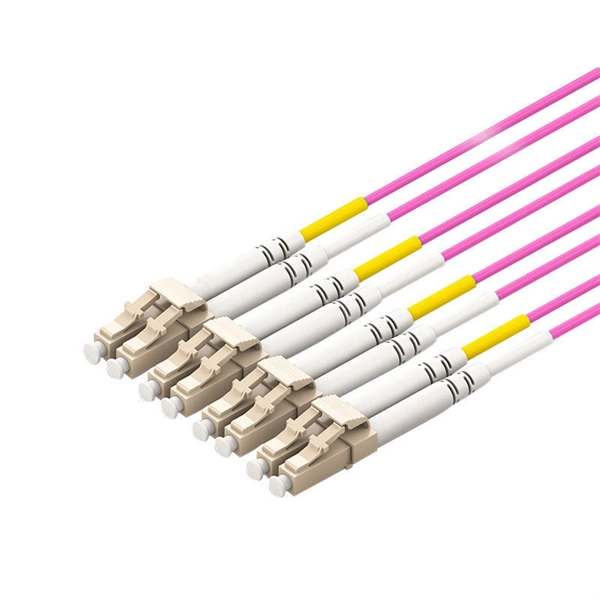
Why do 100G optical modules use wavelength division multiplexing
Both utilize wavelength division multiplexing technology to combine multiple optical signals of different wavelengths onto a single optical fiber, thereby increasing fiber capacity and transmission distance. This technique enables bidirectional communications over a. Based on...
[PDF Version]