
High Quality Fiber Optic Terminal Boxes
Search optical fiber, connectivity, cable management and network infrastructure references.
- High
- Quality
- Fiber
Articles and technical references
11 on this page-
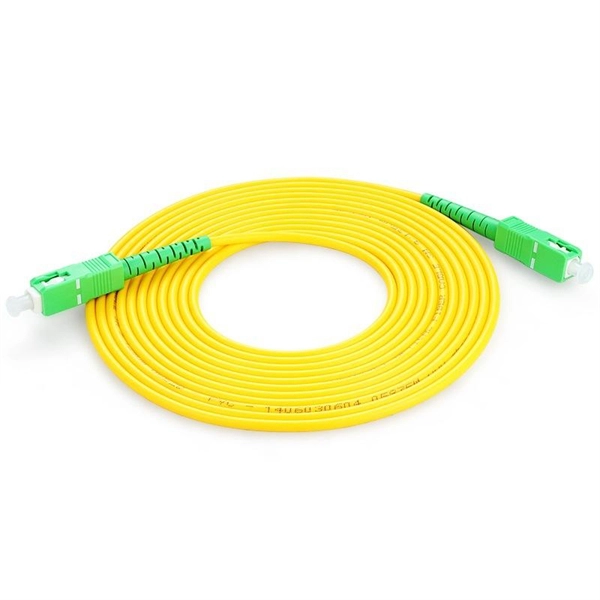
How to ground and protect fiber optic terminal boxes from lightning
After fiber optic cables enter the fiber optic terminal boxes, the boxes should be connect to the ground so they can rapidly release the lightning current to realize the protection when the lightning current enter the fiber optic cables' metal layers. The major purpose of...
-
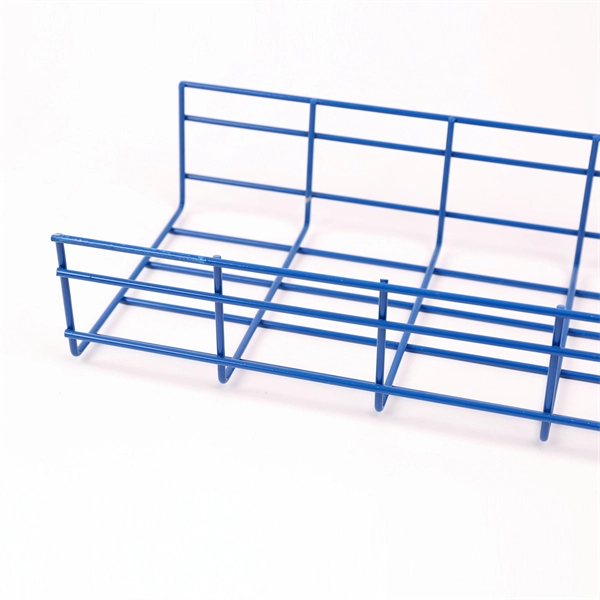
Determining the Quality of Fiber Optic Splice Boxes
How Do You Test Fibre Splicer Quality? To test fibre splicer quality, begin by inspecting cleave angles and fibre cleanliness. Next, confirm arc calibration and alignment using the splicer's splice loss estimation. Follow up with OTDR or ILM testing to validate results. The...
[PDF Version]
-
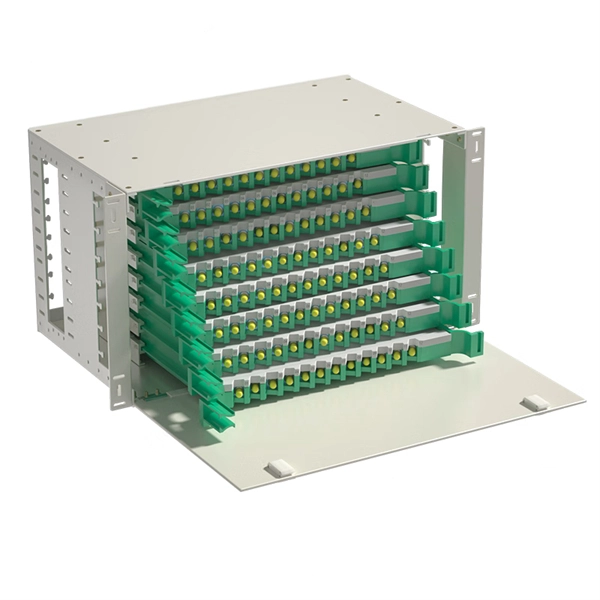
Fiber Optic Terminal Box 12 Small Boxes
The 12 cores plastic fiber optic distribution box provides a protected connection point for the feeder cable and drop cable in FTTH and FTTx networks. It is ideal to be placed. The images are a representation of the product. Recommended for industrial application • Beige...
-
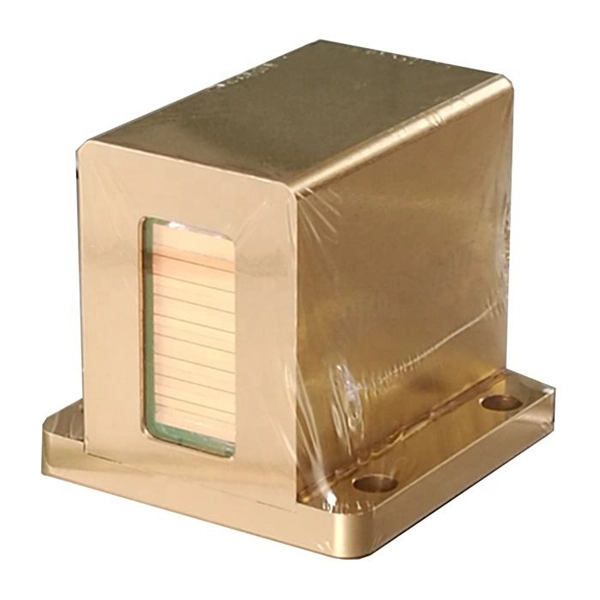
Are fiber optic terminal boxes universally compatible
Fiber Optic Terminal Box Guide: Choosing the Right Enclosure for Discover how to select the best fiber optic terminal box for data centers, campus fiber ba.
[PDF Version]
-
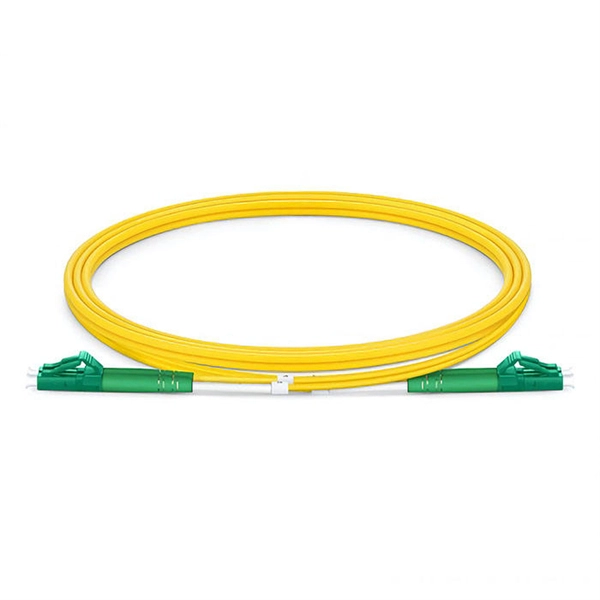
Connecting dual fiber optic patch cord to fiber optic terminal box
The ideal structure for connecting two fiber cables is as follows: Cable A → Adapter Panel → Patch Cord → Adapter Panel → Cable B How It Works Fiber Adapters: Bridge the two connector types (e., SC to LC, or SC to SC). Patch Cords: Provide a short, flexible link. The safest...
[PDF Version]
-
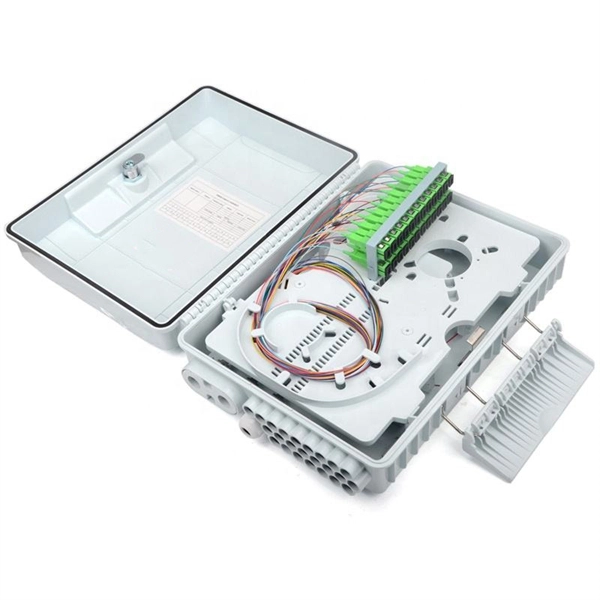
What is the fiber optic terminal box in the server rack called
Fiber Termination Box, also known as FTB, typically consists of two main parts: the outer shell body and the adapter tray that protects the fiber connector points. It is a crucial component in fiber optic networks, primarily used for terminating, connecting, and managing...
[PDF Version]
-
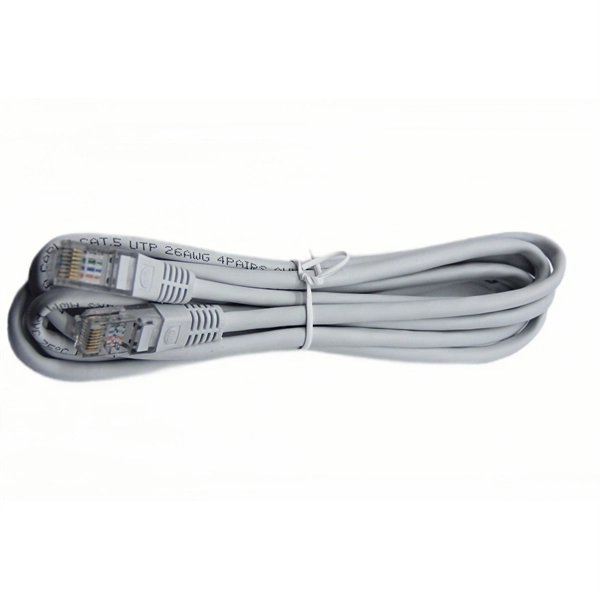
Fiber Optic and Cable Terminal Connection Methods
This article compares connector terminations, mechanical splicing, and fusion splicing, explaining when each technique is preferred in 2024 deployments. Unlike fiber splicing, which is permanent, connectors allow for easy connection and disconnection of cables, making them...
[PDF Version]
-
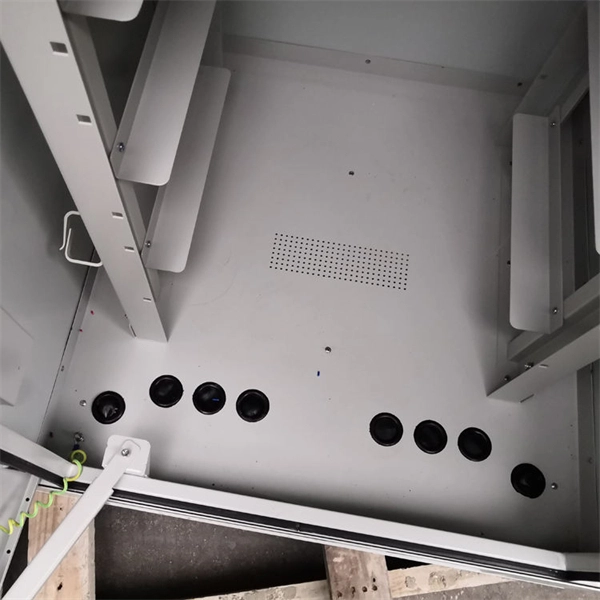
How to install a round-head fiber optic terminal box
Learn how to install a fiber optic termination box step-by-step for FTTH projects. Covers mounting, splicing, routing, labeling, and testing for indoor/outdoor use. If you do not have relevant experience and skills, it is recommended to ask a professional to install it...
[PDF Version]
-
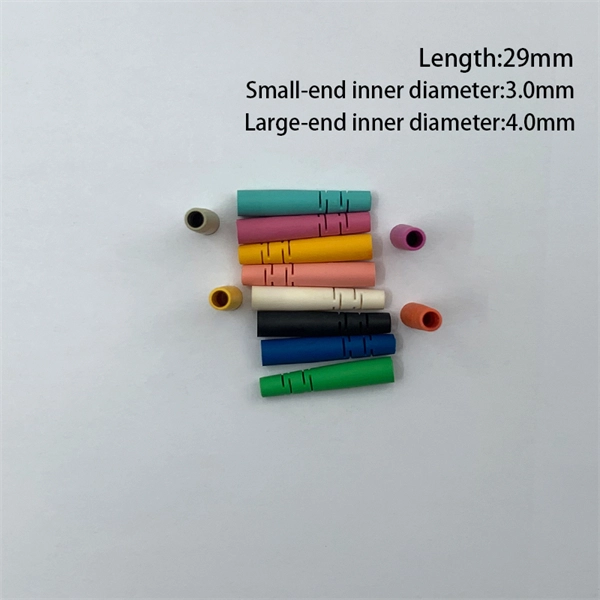
Does the fiber optic terminal box have a network port
Ethernet Port: These ports are used to share the internet connection with your router or modem. It carries the digital signals that the ONT has created/converted from the fiber-optic cable signals. It terminates the drop cable and presents standardized adapter ports (commonly...
-
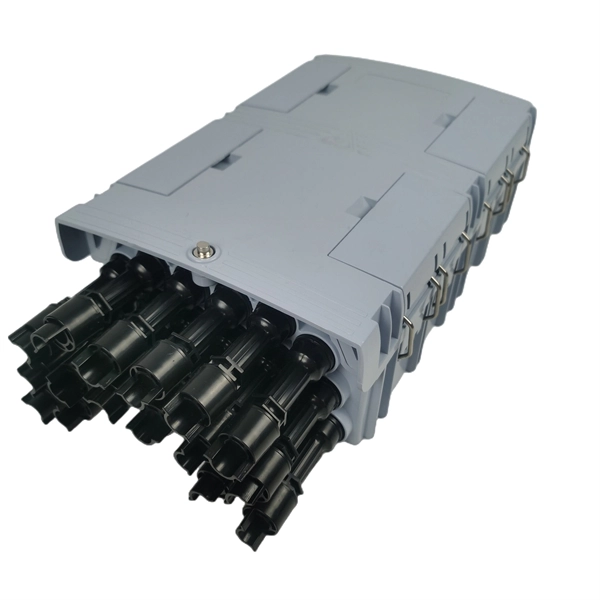
Types of fiber optic terminal connectors include
This guide covers the four most widely deployed fiber connector types — LC, SC, ST, and FC — along with their specifications, ideal applications, and the key differences that matter when you're designing or upgrading a network. An optical fiber connector is used to join...
[PDF Version]
-
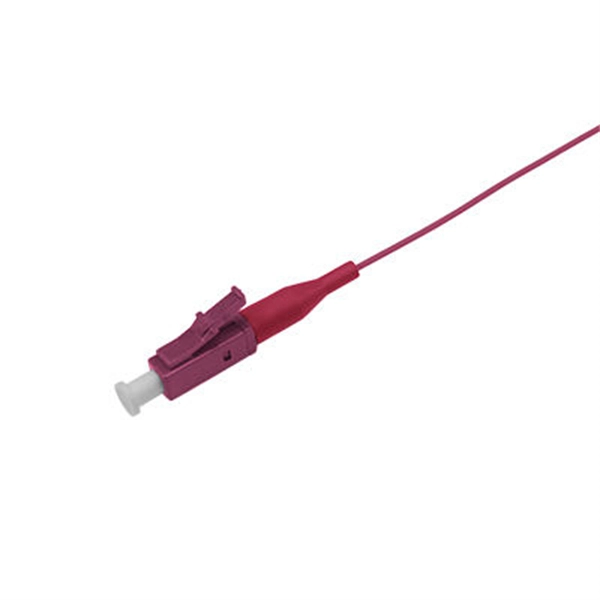
Fiber optic cables are divided into optical boxes
An optical cable split fiber box is a device used in fiber optic communication networks to split the signal from one input into multiple outputs, allowing multiple devices to be connected to a single fiber optic cable. Fiber optic distribution box (FDB) is widely used in FTTH...
[PDF Version]