
How 400g Optical Transceiver Testing Ensures High Quality
Search optical fiber, connectivity, cable management and network infrastructure references.
- 400G
- Optical
- Transceiver
Articles and technical references
10 on this page-
400G optical transceiver module for base stations
The 400G DR4 optical module is a high-speed optical transceiver module compliant with the IEEE 802. With a transmission rate of up to 400 Gbps, 400G transceivers offer double the capacity of their predecessor (200G transceivers). 400G. The Cisco ® family of QSFP-DD modules...
[PDF Version]
-
National Standards for Optical Cable Testing
Follow the latest IEC, TIA, and FOA fiber testing standards in 2025 to ensure your network stays reliable and meets legal and insurance requirements. They define a minimum baseline of quality and workmanshi for installing electrical products and systems. NEIS® are intended to...
[PDF Version]
-
How to search for the concept of optical modules
Optical modules are compact devices that convert electrical signals into optical signals and vice versa. They are used in fiber optic communication systems to transmit data over long distances with minimal loss and interference. Operating at the physical layer of the OSI...
[PDF Version]
-
How much does fiber optic cable installation and testing cost
Home and business fiber optics projects typically range from a few hundred to several thousand dollars, depending on run length, fiber type, and labor needs. The main cost drivers are materials, installation time, and environmental factors that affect trenching, conduit, and...
-
How to determine whether an optical fiber is multimode or singlemode
So, to cut right to the chase, you can generally tell if fiber is multimode or singlemode by examining the cable's jacket color, looking for printed markings on the jacket, checking the connector type, and if all else fails, by measuring the core diameter or using an optical...
[PDF Version]
-
How many optical cable segments are there
A typical fiber optic cable can contain anywhere from a few to several hundred fiber strands, depending on its design and intended use. Common configurations include 12, 24, 48, or even up to 144 fibers for high-capacity applications. The optical fiber elements are typically...
-
How much does single-mode outdoor optical cable cost in Palau
Prices typically range from about $0. 50 per foot for fiber optic cable and basic installation, depending on indoor vs outdoor routing, distance, and terrain. 6Wresearch actively monitors the Palau Fibre Optic Cables Market and publishes its comprehensive annual report...
-
How much does 2 tons of optical fiber cable weigh
They can weigh between 60 to 200 kg per kilometer (39. 7 to 132 pounds per 1000 feet), depending on the design and materials used. However, some general guidelines can provide a rough estimate: Indoor Fiber Optic Cables: These are typically lighter as they require less...
[PDF Version]
-
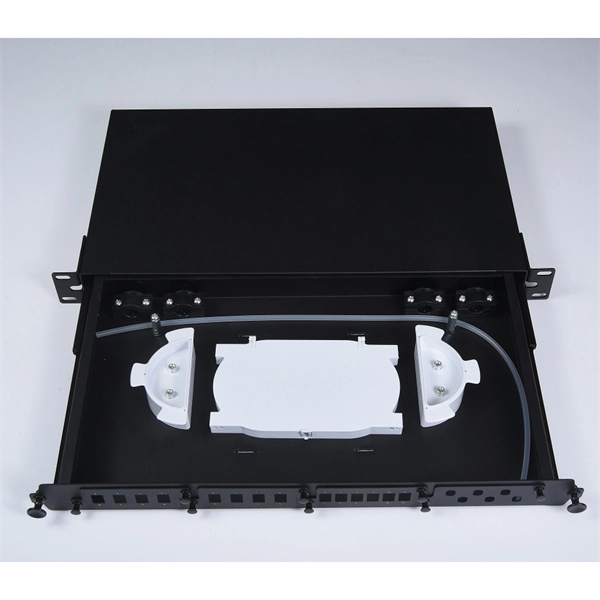
How long does the optical cable acceptance process take
The entire process typically takes 2-6 hours for residential installations when an Optical Network Terminal (ONT) is already present, or 4-6 hours if one needs to be installed from scratch. 1: How long does the fiber optic installation process take? A: The duration varies...
-
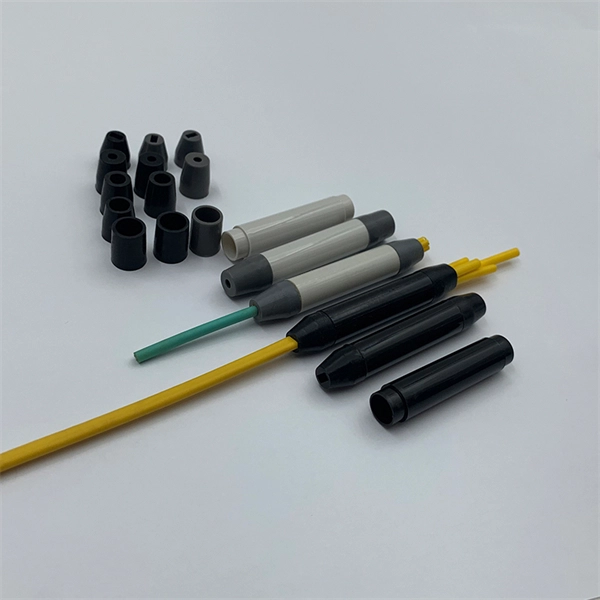
How to pack an optical receiver
BOX packaging seals optical chips in a metal enclosure with inert gas, ensuring long-term stability for high-performance transceivers. TO-CAN packaging, originating from the semiconductor industry, provides a compact and cost-effective solution, ideal for small optical . The...
[PDF Version]