
Technical notes
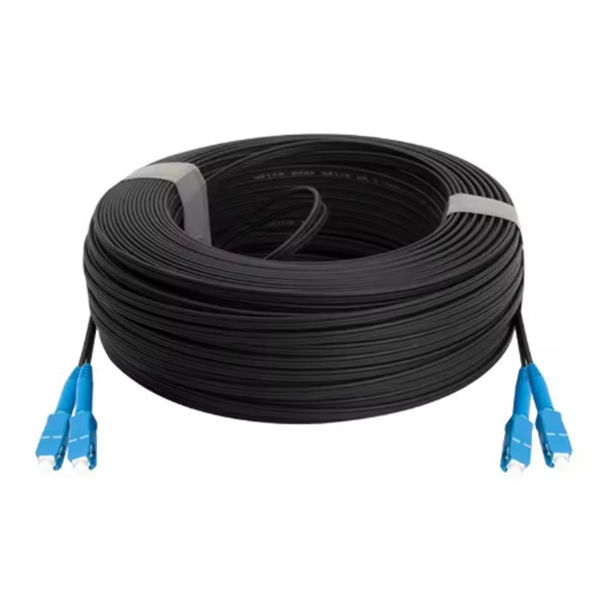
A Practical Guide to Choosing Outdoor Fiber Optic Cables
Unlike indoor setups, you can''t afford to use generic or under-specified cable outdoors. The right choice reduces signal loss, prevents
Outdoor Fiber Optic Cable: Installation & Selection Guide
Outdoor fiber optic cable guide: loose tube vs tight buffer, direct burial vs aerial, UV-resistant jacket, temperature ratings. IEC 60794 standards and selection criteria for OSP deployments.
Outdoor Fiber Installation Practices Explained for 2025
By following these steps and precautions, you ensure your outdoor fiber optic cable installation will withstand extreme weather, soil corrosion, and
Outdoor Fiber Optic Cable | Outside Plant Fiber (OSP) Cable
Fiber optic cables for outdoor applications are engineered to withstand the more demanding conditions seen outside, from environmental extremes to mechanical forces. These are the outdoor fiber optic
Selection of Outdoor Fiber Cable Types Complete Guide
In this guide, we will provide you with a comprehensive overview of outdoor fiber cable types, their characteristics, and factors to consider when
Indoor and Outdoor Fiber Optic Cable Installation: Key Considerations
This guide explores different types of fiber optic cable, including indoor fiber optic cable and outdoor fiber optic cable, and outlines best practices for installation in different settings.
The Most Comprehensive Guide to Outdoor Fiber Optic Cables
Outdoor fiber optic cable forms the rugged backbone of modern telecommunications, carrying high-speed data across cities, rural regions, industrial sites, and even under oceans.
Indoor vs Outdoor Fiber Optic Cable: Differences, Types & Selection
Learn the key differences between indoor and outdoor fiber optic cables, including structures, applications (FTTH, Backbone, Data Centers), standards, and how to choose the right
Ultimate Guide to Choosing the Best Outdoor Fiber Optic Cable
Discover the ultimate guide to selecting the best outdoor fiber optic cable for your needs. Explore our range of durable cables designed for harsh environments!
Outdoor Fiber Optic Cable Types: Complete Guide
This article summarizes the major outdoor fiber optic cable types and their distinguishing features. You can Identify them with images.
FOA Standard For Installing Fiber Optic Cable Plants
Fiber optic cable may be installed indoors or outdoors using several different installation processes and as appropriate for the cable type being installed. Outdoor cable may be direct buried, installed
Fiber Outside Plant Cables
Fiber Outside Plant Cables CommScope outside plant fiber optic cables are meticulously designed to withstand the rigors of outdoor environments while ensuring superior performance and broadband
Optical Fiber Cables for Indoor/Outdoor Applications
These indoor/outdoor cables are designed to comply with ICEA S-104-696, “Standard for Indoor-Outdoor Optical Fiber Cable.” ICEA-696 is a newly published industry standard which establishes
Fiber Optic Cable Types Explained: Choosing the Right Fiber Cable
Fiber Optic Patch Cable Types and How to Choose the Right One? Fiber optic cables come in various types based on different specifications and application requirements. In this guide,
Indoor vs Outdoor Fiber Optic Cables: Key Differences, Uses, and
Learn the differences between indoor and outdoor fiber optic cables, their uses, and how to choose the right one for your network.
Choosing Your Flavor of Fiber Optic Cable: Outdoor Applications
Proper cable selection is critical to the intended long term performance of the communications network. Outdoor cables are designed to protect the optical fibers from weather elements like UV, rain, wind,
The FOA Reference For Fiber Optics
Outdoor cables are generally black for UT resistance but premises cables are color-coded. De facto standard color codes for cable jackets have been yellow jackets
Choosing the Right Outdoor Fiber Cable
But there are also installations that install cables across rivers and lakes. These cables are not only rugged but provide an extremely clear fiber, allowing longer
Related Video Reference
This video was associated with the source search result. Verify technical details against current product documentation and project requirements.