
Technical notes
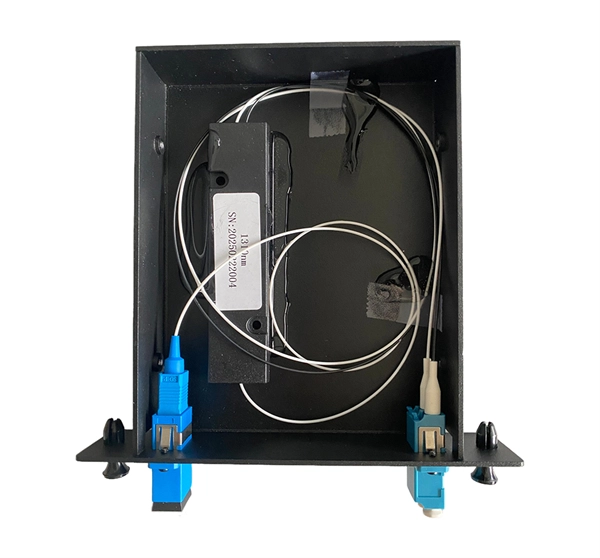
All You Need to Know About Beam Splitters
This article explains how beam splitters work, their types, and their applications. Understanding the Beam Splitter
Beam Splitters – optical power splitter, beamsplitter, thin-film
Beam splitters are devices for splitting a laser beam into two or more beams. There are different types, including polarizing and non-polarizing versions.
What are Beamsplitters?
Beamsplitters are optical components used to split incident light at a designated ratio into two separate beams. Additionally, beamsplitters can be used in reverse to combine two different beams into a
Beam Splitters – Buyer''s Guide & Supplier List | RP Photonics
This buyer''s guide for beam splitters provides technical background, comparison of major types, selection criteria, and an overview of suppliers.
Beam splitter
A beam splitter or beamsplitter is an optical device that splits a beam of light into a transmitted and a reflected beam. It is a crucial part of many optical experimental
Optical Beamsplitters | Beamsplitter Selection | Edmund Optics
Beamsplitters are optical components used to split input light into two separate parts. Beamsplitters are common components in laser or illumination systems. Beamsplitters are also ideal for fluorescence
OptoSigma
Beamsplitters are used to separate the light by a ratio of power between transmitted and reflected beams but can also be used to separate polarization states or different wavelenths of light.
Beam Splitter Selection Guide
These beamsplitters are made from high grade glass materials with laser grade surface flatness and surface quality and have a tighter tolerance on the splitting ratio.
Beamsplitters: A Guide for Designers | Optics
With the large variety of beamsplitters available, the designer needs to take many factors into consideration. This article and its illustrations will go a long way toward making the correct choice
What is a Beam Splitter: Types And Applications
A beam splitter is a device used to separate or combine light. It is widely used in guiding light in optical systems, enhancing imaging and
Optical Beamsplitters | Beamsplitter Selection | Edmund
Standard Beamsplitters, which split incident light by a specified ratio that is independent of wavelength or polarization state, are ideal for illumination
Beam Splitters: Types and Applications
Beam splitters find their application in a diverse array of fields, from teleprompters to robotics, impacting various technologies we rely on daily. These unassuming devices are pivotal in facilitating the
Introduction To Splitters | Teledyne Vision Solutions
Introduction To Splitters Introduction Early microscopes were essentially a tube through which light travels (Figure 1A), from a sample to the eye (or a camera),
Covering the Basics of Beamsplitters — Firebird Optics
Polarizing Beamsplitter While standard non-polarizing beamsplitters divide light by wavelength, a polarizing beamsplitter will split the incident beam
What Are Optical Beam Splitters?
What Are Optical Beam Splitters? Key Takeaways Beam splitters, essential for applications such as teleprompters and holograms, have different types that play a vital role in splitting light beams, while
Optical Beamsplitters Explained | Cube & Polarizing Types
A beam splitter, or beamsplitter, is an optical component used to divide incident light into two separate beams based on wavelength, intensity, or polarization. Optical beam splitters are widely used in laser
Selecting the Right Beamsplitter
Selecting the Right Beamsplitter Beamsplitters are optical components that split light into two directions, and are available in many different designs. Are you interested in learning about the benefits and differences of the multiple types of beamsplitters offered by Edmund Optics, including plate, cube, pellicle, and
How Do Optical Beam Splitters Work & Applications
Optical beam splitters are important components across multiple optical systems since they serve applications throughout telecommunications and scientific research. These devices split
Related Video Reference
This video was associated with the source search result. Verify technical details against current product documentation and project requirements.