
Technical notes
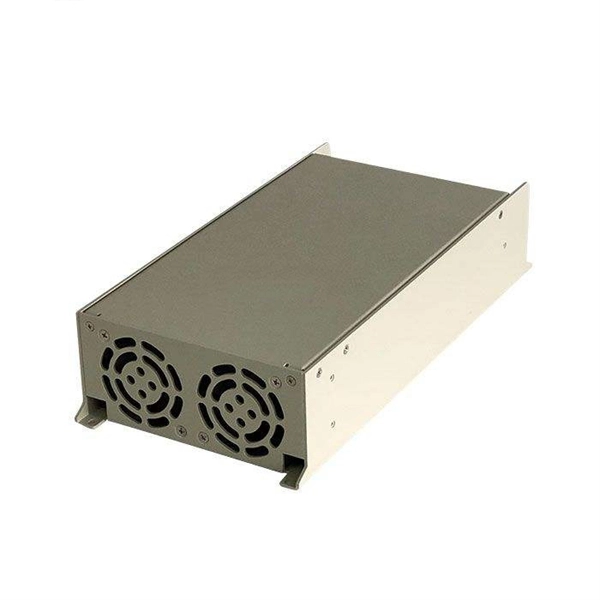
Distribution boxes Tenders 2026 | Live Government Bids
Explore latest Distribution boxes tenders, RFPs, RFQs and government bids. Find verified procurement opportunities, deadlines and documents.
Contract Manufacturing & Subcontracting: Key Insights
Businesses often collaborate with third-party logistics providers to handle distribution, ensuring that products are delivered on time and in the right condition.
Understanding Distribution Boxes: A Comprehensive
Learn what a distribution box is, its types, and how to choose the right one for your project. Includes clear examples and expert tips.
Contract Logistics | Supply Chain Logistics | Maersk
Cargo is transferred from containers to trailers bound for final destination, without passing through a distribution centre. This enables you to lower storage and inventory costs, free up working capital,
Electrical Distribution Boxes for Power Distribution | Wieland
SMART DISTRIBUTION BOXES FOR FLEXIBLE BUILDINGS. Wieland is your experienced and reliable partner for efficient, pluggable and decentralized electrical installation. Among our distribution boxes
Warehousing and Distribution
We can mutually develop a strategy that meets your needs and delivers on customer expectations, from management and execution of activity within your warehouses to redesigning and refining your
Distribution Box Guide: Types, Components & Solutions
What is a Distribution Box? A distribution box, or DB box, is a circuit breaker enclosure. It is a vital part and central hub of any electrical system. The hub distributes electrical power from a
Distribution board
Distribution boards may be surface-mounted or flush. The former arrangement provides easier alteration or addition to wiring at a later date, but the latter arrangement might be neater, particularly for a
FAR | Acquisition.GOV
Federal Acquisition Regulation Full FAR Download in Various Formats Browse FAR Part/Subpart and Download in Various Formats
Distribution Box and Selection Guide: Internal Structure, Components
Learn how to choose a distribution box and understand its internal structure, including MCBs, busbars, neutral bars, earth bars, RCDs, RCBOs, SPDs, enclosure ratings, and wiring layout.
Customization of a complete distribution box
Learn the step-by-step process of customizing complete distribution boxes tailored to your needs. From requirement confirmation to design,
Understanding Distribution Boxes: A Comprehensive
A distribution box, also known as a power distribution box or electrical distribution box, is used to distribute electrical power safely to multiple
Complete Guide For Distribution Boxes Types
Distribution boxes, also known as electrical distribution boards or panels, are pivotal components in electrical systems, ensuring the safe and organized distribution of electrical power throughout
Explore Distribution Boxes for Every Setting with Different Types
Distribution boxes act as the central hub, receiving the main electrical supply and dividing it into designated circuits for lighting, outlets, and appliances. They provide a safe and organized way
Distribution Box Guide: Types, Components & Solutions
Understand distribution boxes (DB boxes) in 5 minutes. Learn about types, components, functions, and uses. Find the perfect DB box for your needs.
Distribution Box: Types and Functions | Axis-Electricals
A distribution box ensures that electrical supply is distributed in the building, also known as a distribution board, panel board, breaker panel, or electric panel.
Power Distribution Boxes Explained Simply
Learn what a power distribution box is, how it works, key components, types, and why it''s vital for safe and efficient electrical systems.
How Does a Power Distribution Box Work
Learn how a power distribution box works step by step—from incoming power to circuit protection and smart monitoring—for safe, efficient electricity delivery.