
What is the purpose of a cable grommet?
A cable grommet typically is a round edged ring inserted into a panel hole to protect pass through cables from chafing and abrasion as well as from...
Search optical fiber, connectivity, cable management and network infrastructure references.
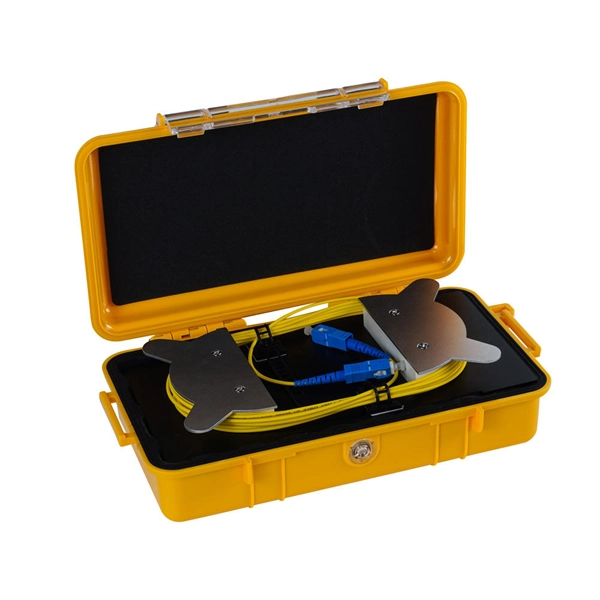
This guide covers the critical steps, from selecting the right electrical cable tray and performing accurate cable fill calculations to managing a safe cable pull through and ensuring all bonding and grounding requirements are met. But before you lay the first tray or clamp...
[PDF Version]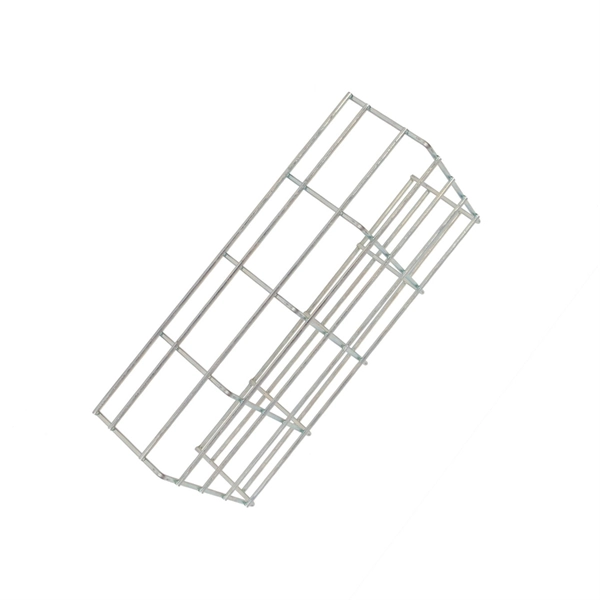
Firestopping Requirements for Cable Trays and Sealing shall be tight and reliable, without visible cracks or voids. For large openings, install a fire-resi.
[PDF Version]A cable grommet typically is a round edged ring inserted into a panel hole to protect pass through cables from chafing and abrasion as well as from...
An open cable grommet is simply pushed through the panel hole by hand until it snaps firmly in place. The flexible material allows the grommet to b...
Choosing the right grommet is requiring 3 basic dimensions . Your cable diameter, the diameter of the panel hole and the panel thickness. FH dimens...
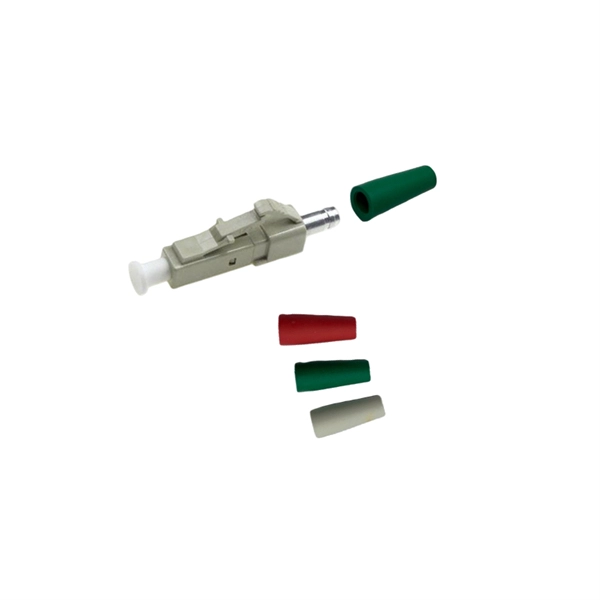
Select tray materials and finishes that match the hazard: hot‑dip galvanised steel or stainless for durability; aluminium for lighter loads; FRP for corrosive plants. Pair trays with low‑smoke, halogen‑free cables in occupant areas to reduce toxic fumes. Poorly chosen or...
[PDF Version]
In this step-by-step guide to cable tray divider installation, we will cover the pre-installation checklist, the installation process, and specific considerations for connecting dividers to cable ladder. Welcome to our step-by-step guide on installing cable trays! In this...
[PDF Version]
The best practices for cable tray maintenance include cleaning and inspection, repairs and replacements, lubrication, corrosion protection, grounding, and load capacity monitoring. This comprehensive guide investigates the most frequent wire management challenges faced in...
[PDF Version]
Learn how to install cable trays for large-scale projects with our professional, step-by-step guide covering industry standards, safety protocols, and efficient routing techniques. The supports are typically placed every 1. 0m): It saves money and uses fewer parts, but needs...
[PDF Version]
For rigid cable trays, it is established that the seismic supports should be spaced no more than 12 meters apart. In areas with a high risk of seismic activity, the requirements for cable tray installations are often very strict. This requires careful selection of materials...
The trays are available in 3-meter (10-foot) segments made by almost all manufacturers. It is one of the magic numbers in the industry. It is lengthy enough to cover a long distance within a short period of time, but short enough to be carried by two people. Aluminum Cable...
[PDF Version]
Carbon steel used for cable trays shall be protected against corrosion by the following processes: Hot-dip galvanized zinc after fabrication in accordance with ASTM A123/A123M, Coating Grade 65 with an average zinc coating weight of 460 g/m2 per side or coating thickness of...
[PDF Version]
In vertical or angled tray runs, cables should be fastened to the tray's transverse members to keep them secure. Key rules: Installation spacing: Cable identification is essential for maintenance. Markers should include: Install markers at: Compliance with technical...
[PDF Version]
At SV Electricals, we have crafted this guide to show you how to install cable tray on wall step by step. Mark the cable tray route based on your electrical cable tray design and site. This guide covers the critical steps, from selecting the right electrical cable tray and...
Share the fiber interfaces, termination capacity, cable route and evidence required for handover.