
How Do Communication Base Stations Work
Search optical fiber, connectivity, cable management and network infrastructure references.
- Communication
- Base
- Stations
Articles and technical references
9 on this page-
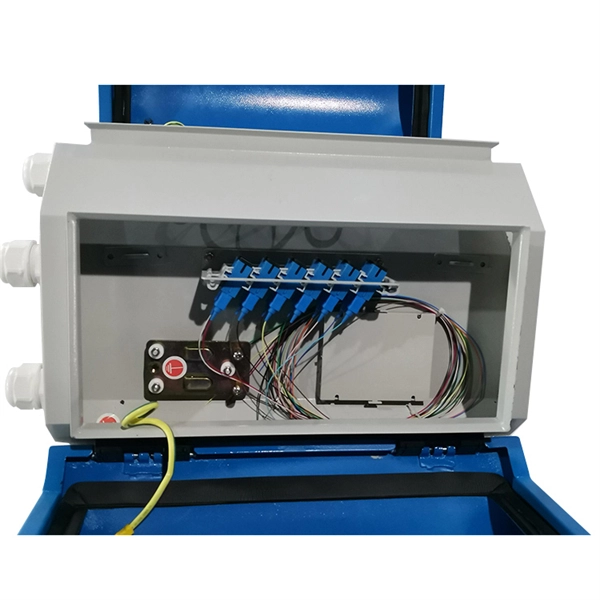
Latvian junction box for base stations resistant to low temperatures
316L stainless steel, GRP or aluminum, they provide IP66-IP68 protection and resist from -60 ° C to +120 ° C. Pepperl+Fuchs provides a specialized portfolio of Ex d (flameproof) and Ex tb (dust protection by enclosure) certified terminal boxes and junction boxes engineered...
[PDF Version]
-
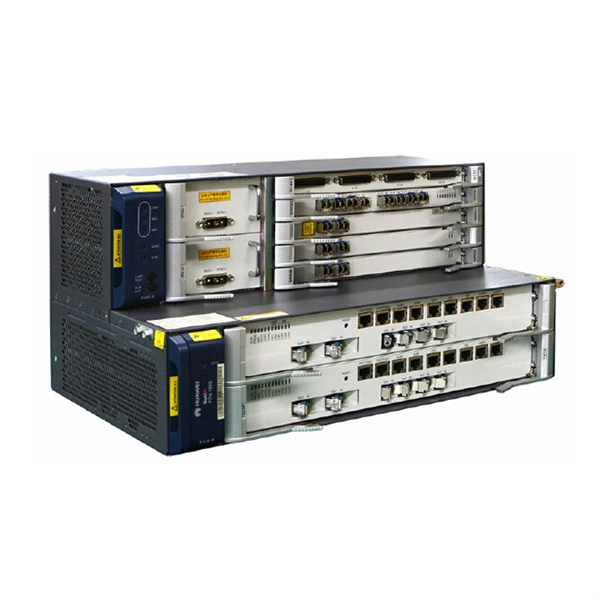
How does relay protection for gas leaks work
Protective relays are used to prevent serious electrical faults in the transformer. After detecting a fault state, they are activated and thus protect against serious equipment damage. Buchholz Relay Defined: A Buchholz relay is a safety mechanism used in oil-filled...
-
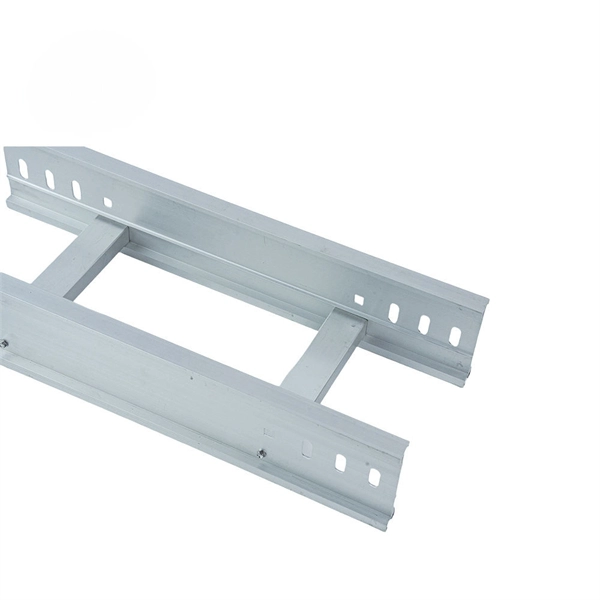
How is fiber optic communication technology
Fiber-optic communication is a form of optical communication for transmitting information from one place to another by sending pulses of infrared or visible light through an optical fiber. The light is a form of carrier wave that is modulated to carry information. The process...
[PDF Version]
-
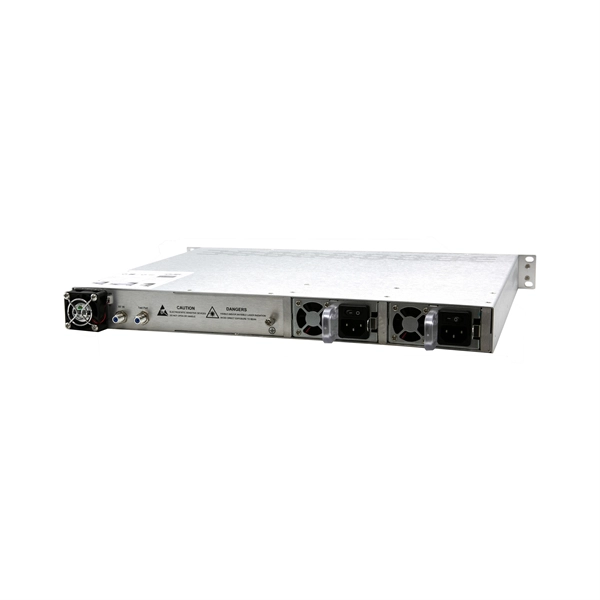
How do tower structures achieve communication sharing
Telecom towers transmit and receive RF signals, forming a network of cells that enable communication. They are built as monopoles, lattices, or guyed structures, each tailored for location and mission. Inside each tower station sits the BTS shelter —the operational center...
-
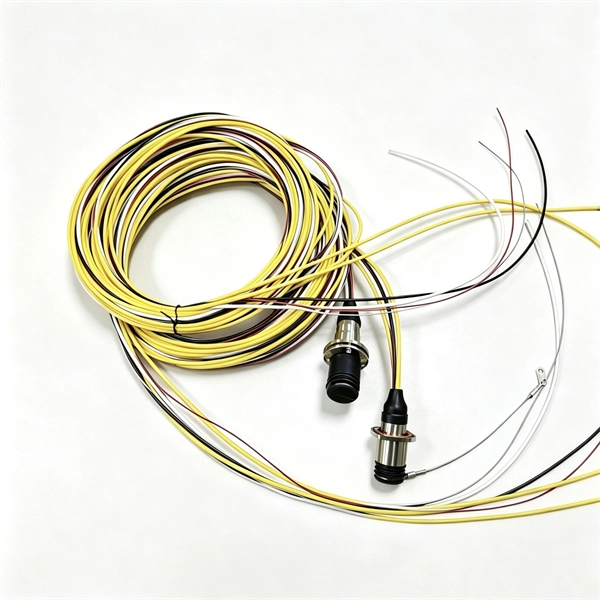
Price of Smart Planar Optical Waveguides for 5G Base Stations in Slovakia
The optical waveguide market is experiencing robust growth, driven by key optical waveguide market trends such as the increasing demand for high-speed data transmission and advancements in telecom.
-
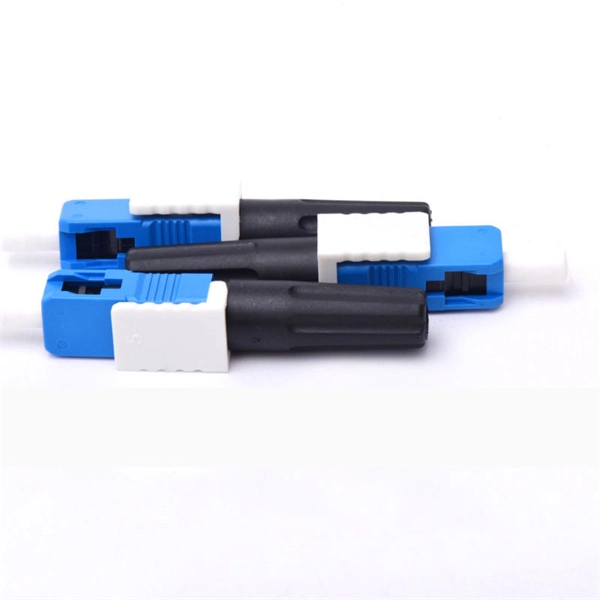
How to use a handheld optical communication bit error rate meter
With the bandwidth and performance demands on Ethernet networks increasing daily, BERT has become essential for quantifying bit error rate in optical fiber communication channels and establishing confid.
-
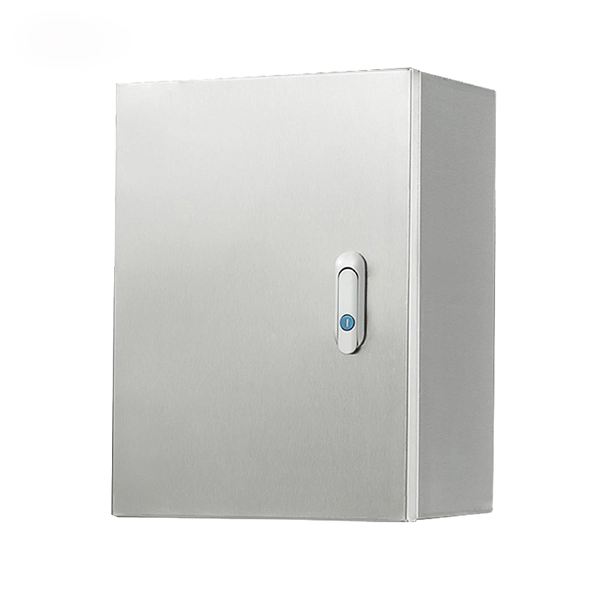
400G optical transceiver module for base stations
The 400G DR4 optical module is a high-speed optical transceiver module compliant with the IEEE 802. With a transmission rate of up to 400 Gbps, 400G transceivers offer double the capacity of their predecessor (200G transceivers). 400G. The Cisco ® family of QSFP-DD modules...
[PDF Version]
-
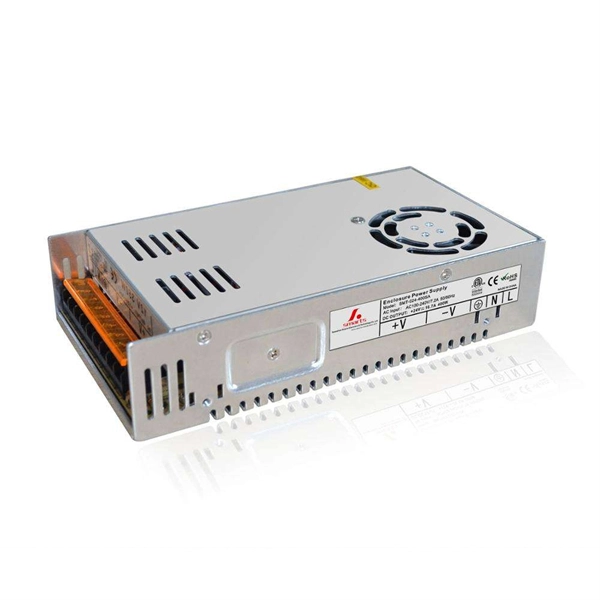
How many meters high is best for communication fiber optic cables
OM1 (up to 300 meters): Suitable for short-range applications, often limited to small office networks. One type of single mode fiber is known as “G. Key single mode distance specifications:. Fiber optic cable can be run anywhere from 300 meters up to 80 kilometers (roughly 50...
-
Tower Communication Base Station Detection
FBSDetector: Purdue's New Tool Finds Fake Cell TowersIn a groundbreaking study from Purdue University, researchers have developed an innovative detection s.
[PDF Version]