
How can one identify a broken fiber optic cable?
To identify a broken fiber optic cable, start by performing a visual inspection for any physical signs of damage, such as bends, cracks, or breaks...
Search optical fiber, connectivity, cable management and network infrastructure references.
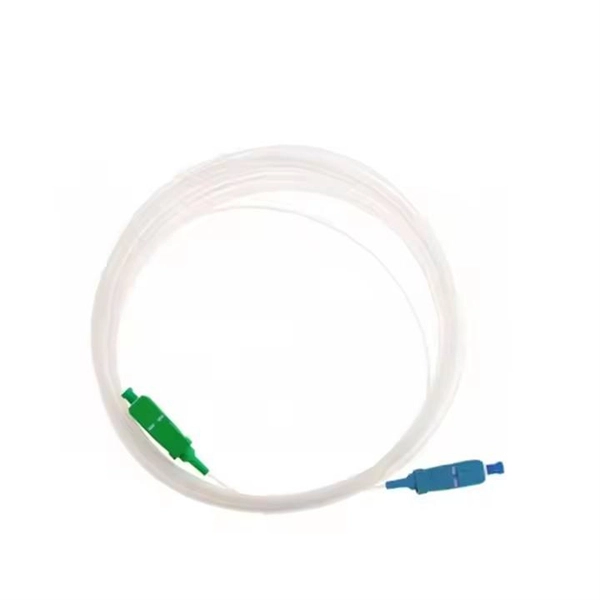
Most residential jobs finish within a few hours. Larger business projects might span several weeks. We want to clear up the confusion around these schedules. Every building has unique needs. Some homes have existing conduits ready for use, while other properties require new...
[PDF Version]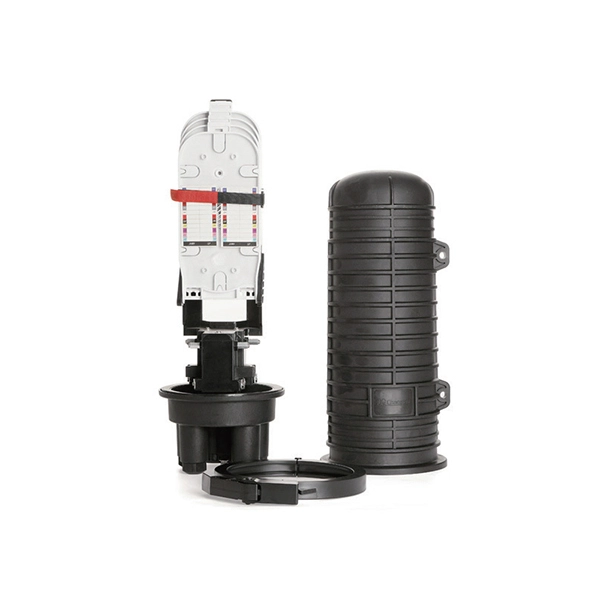
“Fiber to the home” describes the use of fiber optic cable to deliver broadband internet from a central location directly to private residences. Connector types play a crucial role in selecting the right cable for specific applications, as different connectors are designed...
[PDF Version]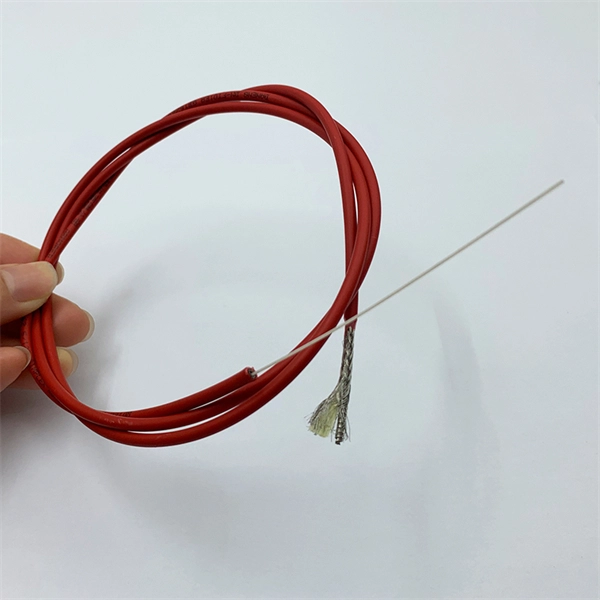
Home and business fiber optics projects typically range from a few hundred to several thousand dollars, depending on run length, fiber type, and labor needs. The main cost drivers are materials, installation time, and environmental factors that affect trenching, conduit, and...
To control bandwidth in a router, follow these steps: Sign in to the router's admin panel. Go to the Bandwidth Control section. Click the Add New. Before configuring bandwidth management, it's important to identify: Total available bandwidth from ISP (e., 100 Mbps download /...
[PDF Version]
Learn how to install a fiber optic termination box step-by-step for FTTH projects. Covers mounting, splicing, routing, labeling, and testing for indoor/outdoor use. If you do not have relevant experience and skills, it is recommended to ask a professional to install it...
[PDF Version]
Most modern fiber-enabled network switches require an SFP transceiver module featuring a duplex (two strand) multimode OM3 or duplex single mode OS2 connection with LC connectors. Direct attach cables with pre-terminated SFP connections may also be used. Download the...
While routers, switches, and transceivers often have upgrade cycles of 3 to 5 years, properly installed and maintained fiber cabling systems can last 15 years or more — spanning multiple hardware generations. Effective lifecycle management of fiber optic cables, from...
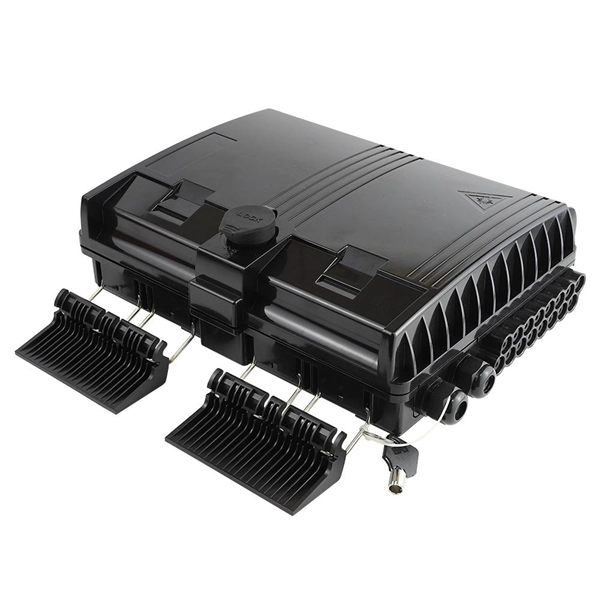
Learn how to splice fiber optic cable using fusion splicing with this complete step-by-step guide. Includes tools, best practices, loss standards (ITU-T G. 652), cost analysis, and FAQs for network engineers and installers. Regardless of the type of fiber network you're...
[PDF Version]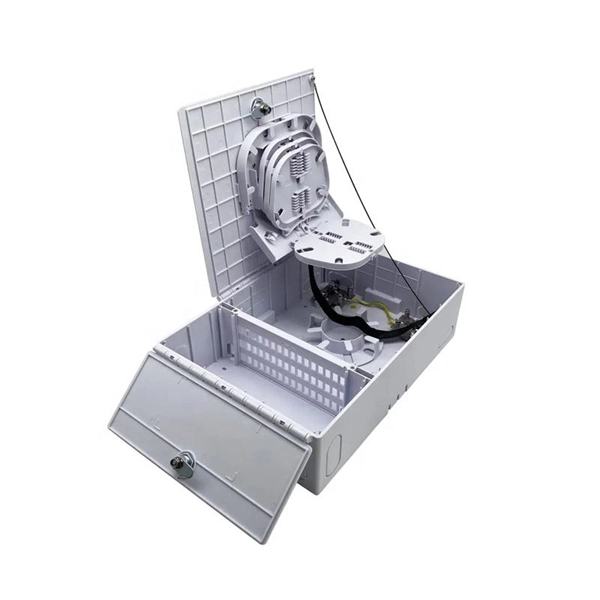
Effective prevention requires proper route planning, use of fiber management accessories such as bend radius limiters and organized patch panels, and mandatory post-installation testing (insertion loss and OTDR) to verify compliance and ensure stable network performance...
[PDF Version]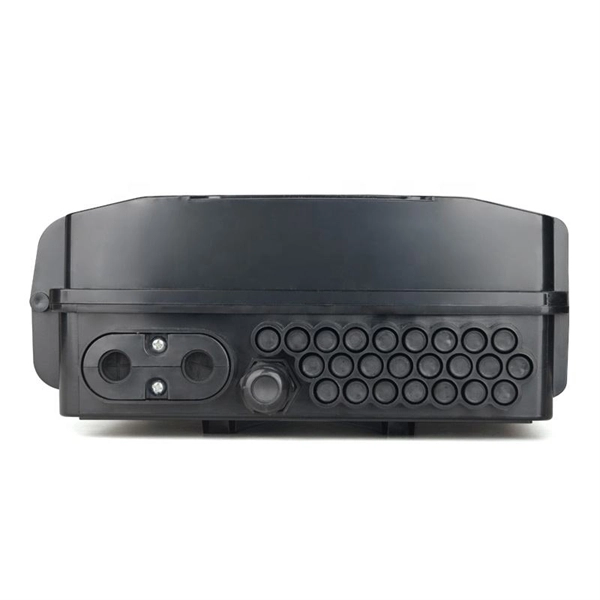
Fiber Optic Troubleshooting Guide: Problems, Tools & SolutionsLearn how to troubleshoot fiber optic cables with common problems, a step-by-step process, es.
[PDF Version]To identify a broken fiber optic cable, start by performing a visual inspection for any physical signs of damage, such as bends, cracks, or breaks...
There are several methods to test fiber optic cables without a tester. One method is using a visual fault locator (VFL), as mentioned earlier, to v...
Intermittent fiber optic connections can be caused by a variety of factors, including: Poorly terminated connectors or splices that result in unsta...
Share the fiber interfaces, termination capacity, cable route and evidence required for handover.