
Technical notes
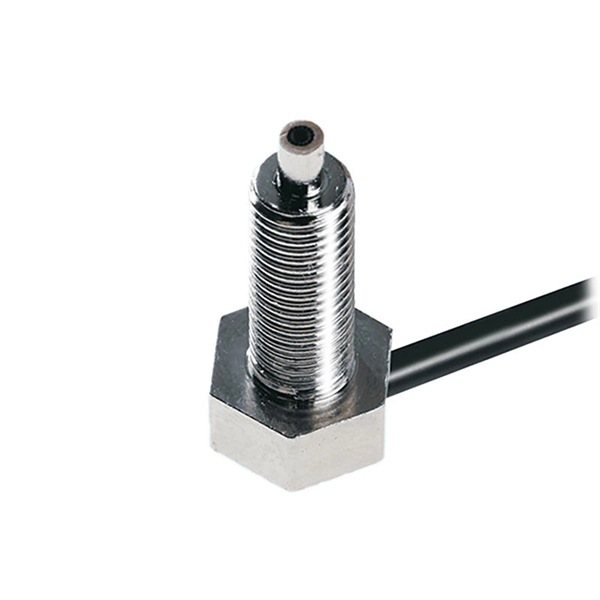
Power Over Fiber – optical delivery of power, photonic power, optical
A single junction typically delivers ~1 V (or less at the maximum power point), which is below many common supply rails (e.g., 1.8 V or 3.3 V).
What is the voltage of power over fiber?
In practical applications, PoF systems can deliver voltages ranging from a few volts to several tens of volts, depending on the system''s design and purpose. The
Optical fiber
Multi-mode fibers generally have a wider core diameter and are used for short-distance communication links and for applications where high power must be transmitted. Single-mode
Fiber Optic Cables
Armoured and Flame retardant optical fibre cable, AICI - code F104 NEK TS 606:2016 (available also in MUD protected version).
A Complete Guide to Fibre Optic Cables | RS
This comprehensive guide explores these cables, how they work and what they are used for, as well as the different types that are available.
How much power can an Optical Fiber carry?
Discover the maximum power capacity of optical fibers in this detailed guide. Learn how much power optical fiber cables can carry safely, factors affecting their limits, and practical
Optical Fiber Cables Near High Voltage Circuits
Industry Standards bles in a high voltage environment, with typical line voltages of 115 kV or more, requires the evaluation of certain critical parameters. Curr
Powered Fiber Cable Solutions | Distance and Wattage
Corning''s powered fiber cable experts provide information about the distance, wattage considerations that drive power decisions.
Introduction to Optical Fibers, dB, Attenuation and Measurements
Introduction This document is a quick reference to some of the formulas and important information related to optical technologies. It focuses on decibels (dB), decibels per milliwatt (dBm),
Fiber-Optic Cable Bandwidth: Complete Guide
Fiber-optic cable bandwidth determines how much data your network can handle, directly impacting business operations from video conferencing to
What is the voltage of power over fiber?
Power over Fiber (PoF) is an innovative technology that transmits electrical power through optical fibers, rather than traditional copper wires. This method
THE BASICS OF FIBER OPTIC CABLE a Tutorial
MAINTENANCE: Fiber optic cables costs much less to maintain. There are three types of fiber optic cable: single mode, multimode and plastic optical fiber (POF). Single Mode cable is a single stand of
The FOA Reference For Fiber Optics
Outside Plant Fiber Optic Cable Jump To: Fiber Optic Cable Construction Fiber Optic Cable Types Cable Design Criteria Choosing Cables Cable Types: (L>R):
Fiber Optic Cable Speeds: Everything You Need to Know
Discover how fiber optic cable speeds can revolutionize your internet experience. Explore the future of connectivity and get ready to zoom into the fast lane.
Fiber Optics Overview
Visit CableWholesale to learn about fiber optics. Discover the fascinating world of fiber optic cables and enjoy a brief overview of fiber optics construction.
Fiber Optics: Understanding the Basics
Fiber types There are primarily three categories of optical fiber: single mode, multimode graded index, and multimode step index. These types differ in the
Fiber Optic Basics | Optical Fiber 101 | Corning
Use our fiber 101 tutorials and videos and get the fiber optic basics to learn why optical fiber has fundamentally changed and improved communication.
what does fiber optic cable look like: 7 Powerful Facts
Discover what does fiber optic cable look like with photos, color codes, and expert tips for easy identification and safe handling.