
How Optical Communication Cables Work And How They Differ From
Search optical fiber, connectivity, cable management and network infrastructure references.
- Optical
- Communication
- Cables
Articles and technical references
9 on this page-

Regulations for Communication Cables and Optical Fibers
This article explains eight of the most important global fiber and cable standards — ITU-T, IEC, TIA, ISO/IEC, and Telcordia — covering their scope, applications, and why they matter in real-world deployments. Fiber optic networks are built on well-defined standards that...
[PDF Version]
-
Underground drilling for communication optical cables
Directional boring is a trenchless method of installing dark fiber optic cable underground along a predetermined bore path.
-
The types and brands of communication optical cables include
Here's everything you need to know about the various fiber optic cable types, what makes them so useful, and what type of fiber optic cables you want to buy for your next networking project.
-
Communication optical cables are classified according to their cores
Optical fibers are classified based on their core structure and mode of light propagation. That larger core means that the light reflects off the interior of the core much more frequently, which opens up multiple paths for multiple beams of. “The core of a fiber optic cable...
-
How are international optical cables transmitted
These high-capacity cables transmit data using light signals, enabling global communication. The process involves local ISPs routing traffic through cable landing stations, undersea cable systems, and foreign data centers, often assisted by Internet Exchange Points (IXPs)...
[PDF Version]
-

How to calculate fiber splicing calculation for optical cables
Multiply route length by attenuation to get the fiber component, then add event losses from splices, connectors, splitters, and patch panels. This separation helps locate whether distance or events drive the budget during troubleshooting. Then calculate the total optical...
[PDF Version]
-

How to securely tie overhead optical cables
Use gentler options: Hook-and-loop, low-tension, and releasable ties protect fibers. This comprehensive guide delves into the installation requirements, explores the two primary cable types—self-supporting and messenger-supported—and offers practical insights to ensure...
[PDF Version]
-
How many optical cables are in the ring network
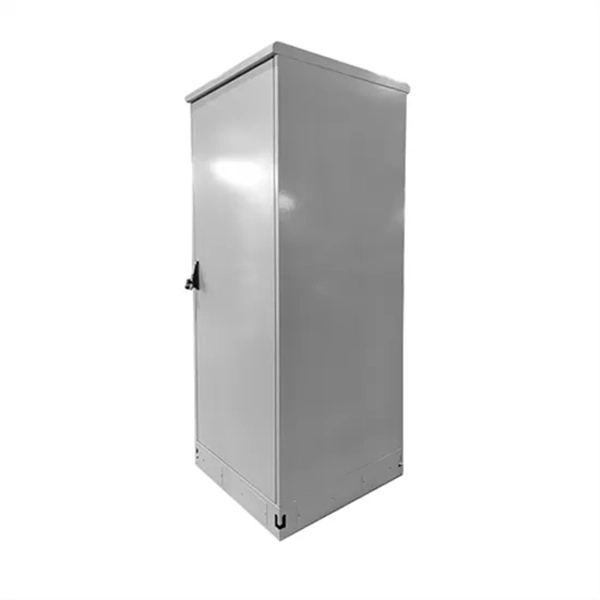
The ring interface adapts a token passing network of work-stations from coaxial cable to 50 micron core, telecommunications type, fiber optic cable. Each node is connected to two other nodes, forming a ring-like structure. This design ensures data can travel in both...
-
How to waterproof outdoor optical cables after splicing
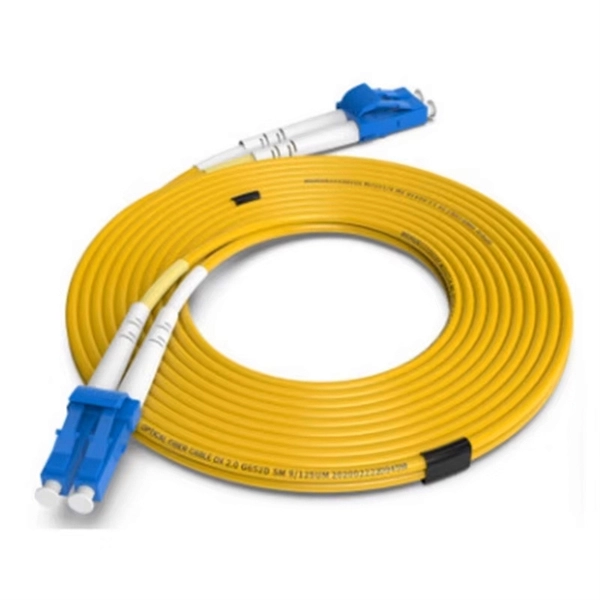
For outdoor setups, make sure the enclosure has weatherproof ratings like IP66 or NEMA Type 4X to handle tough conditions. Tip: Make a list of tools and parts you need. This avoids delays from missing items. By using waterproof and weathertight closures, network technicians...
[PDF Version]