Skip to content
AK OPTICALSystems Send a project enquiry
Reference library

How should optical module companies be managed

Published
  • How
  • Optical
  • Module
Source context

AI source overview

Effective management of optical module companies requires integrating lifecycle oversight, supply chain excellence, quality control, and advanced smart module management to ensure reliability, scalability, and innovation.

Lifecycle Management

Optical modules should be managed across their full lifecycle: design, production, deployment, operation, maintenance, and decommissioning. Key practices include: Design Phase: Optimize specifications for performance, compatibility, and scalability. Select materials and technologies that meet current and future network requirements.

Production Phase: Implement strict quality control and partner with reputable manufacturers to ensure reliability. Deployment and Operation: Plan installations carefully to minimize downtime, integrate monitoring tools for real-time performance tracking, and maintain detailed documentation. Maintenance: Establish proactive maintenance schedules and train staff on handling and troubleshooting modules.

Decommissioning: Develop environmentally responsible plans for module disposal and recycling.

Supply Chain and Quality Control

Managing the supply chain is critical due to global complexity and high demand, especially for AI and cloud infrastructure. Best practices include: Vendor Qualification: Assess vendors for capacity, reliability, and compliance with quality standards. Risk Mitigation: Diversify suppliers, maintain strategic inventory, and plan for lead times to avoid production bottlenecks.

Quality Assurance: Implement rigorous testing protocols to prevent failures that could disrupt large-scale deployments.

Smart Optical Module Management

Advanced optical modules can be managed independently of host systems using packet-based management schemes. This approach, known as host-independent management, allows: Decoupling optical layer control from packet layer control. Enabling advanced features like telemetry, line transmission modes, and optical settings without modifying host software.

Rapid deployment of new capabilities in disaggregated environments.

Strategic Considerations

Outsourcing vs.

In-

House Expertise: Partnering with optical specialists can accelerate development, reduce costs, and provide flexibility for low-volume or specialized production.

Innovation and R&

D: Invest in research to meet evolving demands for higher bandwidth, lower power consumption, and secure modules. Sustainability: Address environmental impact by targeting net-zero emissions and implementing energy-efficient manufacturing processes.

Conclusion

Managing an optical module company effectively requires a holistic approach that combines lifecycle management, supply chain resilience, quality control, smart module management, and strategic partnerships. Companies that integrate these practices are better positioned to meet growing demands in data centers, AI infrastructure, telecom networks, and emerging applications like automotive LiDAR, while maintaining reliability, scalability, and competitive advantage.

Research context

Reference summary

Standing in the Light: A Comprehensive Guide to the Optical Module "Standing in the Light: Understanding the Optical Module and CPO Industry Chain" This ar.

From reference to enquiry

Questions for your project

Use these editorial prompts alongside the linked excerpts. They identify items to confirm for your project.

Technical notes

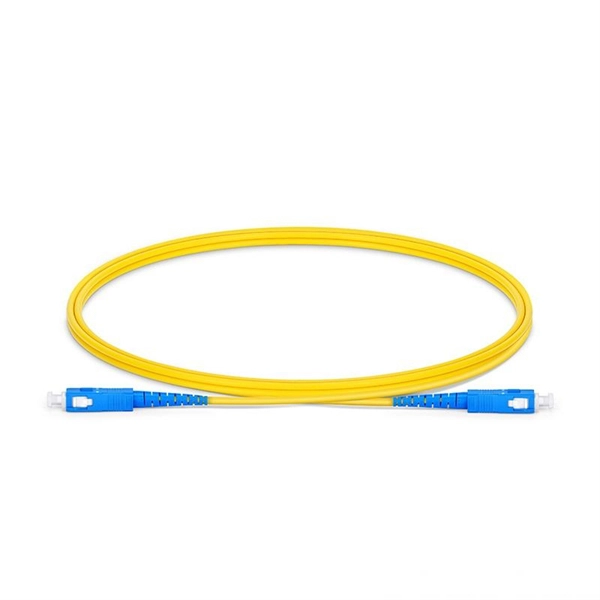
Illustrative equipment image

Standing in the Light: A Comprehensive Guide to the Optical Module

"Standing in the Light: Understanding the Optical Module and CPO Industry Chain" This article analyzes the critical role of optical communication technology, specifically optical modules and

White Paper: Management of Smart Optical Modules

In this white paper we explore how the DWDM functions, parameters, and operational aspects of “smart” optical pluggable modules can be handled more efficiently in order to deal with the

10 companies in the optical transceiver industry chain 2024

To help you choose the best partner, this article will analyze and introduce 10 companies in the optical transceiver industry chain for you.

Navigating the Optical Modules Market: Understanding Key

Companies in the Optical Modules market are typically analyzed based on their technological capabilities, product portfolio, innovative approaches, and strategic partnerships.

Optical Module Supply Chain & Quality Control | AI Infrastructure Guide

Expert guide to managing optical module supply chains for AI data centers. Covers vendor qualification, quality assurance, testing protocols, inventory strategies, and risk mitigation for

Optical Module: A Comprehensive Analysis from Source to Terminal

Understanding customer requirements and striking a balance between performance, power consumption, cost, and reliability are the essence of a company''s core competitiveness in the

Deep Dive: Optical Module Market

Today, I''m exicited to share an in-depth analysis of the global optical module market, an industry I find particularly compelling due to its critical role in data center networks for the

In-Depth Analysis of the Optical Module Industry: Driving

Today we share: In-Depth Analysis of the Optical Module Industry: Driving Factors, Current Status and Trends, Industry Chain and Related Companies. The report consists of a total of

Chinese Optical Modules Own 7 of the Top 10 Seats. So Why Are

Chinese optical module companies have been moving production to Southeast Asia for some time. The direct trigger was U.S. Section 301 tariffs (25% on Chinese-origin products).

Optical module – A comprehensive exploration

The working environment of the optical module is in the equipment room or switch, and the change of the ambient temperature will affect the optical power and optical sensitivity of the

LightCounting :: May 2024 Optical Vendor Landscape

The report also includes a review of the latest mergers and acquisitions and their impact on the market landscape. This report takes a deeper look at suppliers of

Latest Ranking Of Top 10 Global Optical Module Suppliers

Recently, LightCounting, a well-known market research organization in the optical communication industry, released the latest issue of its market report and updated the TOP10

Optical Module Supply Chain & Quality Control | AI Infrastructure Guide

The optical module supply chain is complex, global, and subject to various risks. Organizations that proactively manage these risks through vendor diversification, rigorous quality

Optical Modules Market Research Report 2034

Optical Modules Market Outlook 2025-2034 The global optical modules market was valued at $14.8 billion in 2025 and is projected to reach $39.6 billion by 2034, advancing at a compound annual

Deep Dive: Optical Module Market

Powering next-gen connectivity: How optical modules enable fast, reliable data transfer, and What are the opportunities for investors?

Active Optical Module Market 2025

Which key companies operate in Global Active Optical Module Market? -> Key players include Daiichiseiko, Silicon Line, Hisilicon, Hisense Broadband, Accelink, Eoptolink, Amphenol, Hilink

How to achieve low cost, low power consumption and high

Optical modules in small packages are currently using low voltage 3.3v power supplies, ensuring that port additions do not increase system power consumption. The fourth direction of

Global Optical Module Suppliers TOP10 Ranking Changes

Looking at the recently released 2023 Global Optical Module TOP10 list, Chinese companies even occupy seven seats, with Xutron Technology ranking first for the first time and

Related Video Reference

This video was associated with the source search result. Verify technical details against current product documentation and project requirements.

3 questions about “How should optical module companies be managed ”

What does an optical transceiver do?

Optical modules are mainly packaged by optoelectronic devices TOSA/ROSA, functional circuits and optoelectronic interface components. The optical t...

What is the optical module industry chain?

The upstream industry of optical modules mainly includes optical chips, optical components and optical devices, and the downstream industry mainly...

Who are the main manufacturers and suppliers in the optical module industry chain?

Lorem ipsum dolor sit amet, consectetur adipiscing elit. Ut elit tellus, luctus nec ullamcorper mattis, pulvinar dapibus leo.

Share your network requirements

Share the fiber interfaces, termination capacity, cable route and evidence required for handover.

Send a project brief