
How can one identify a broken fiber optic cable?
To identify a broken fiber optic cable, start by performing a visual inspection for any physical signs of damage, such as bends, cracks, or breaks...
Search optical fiber, connectivity, cable management and network infrastructure references.
If you're wondering about the best way to organize wires on your desk, try combining a tray underneath with adhesive cable clips on the top edge. This keeps everything neat and prevents cables from falling every time you unplug something. Whether you're managing a chaotic...
[PDF Version]
Most residential jobs finish within a few hours. Larger business projects might span several weeks. We want to clear up the confusion around these schedules. Every building has unique needs. Some homes have existing conduits ready for use, while other properties require new...
[PDF Version]
Home and business fiber optics projects typically range from a few hundred to several thousand dollars, depending on run length, fiber type, and labor needs. The main cost drivers are materials, installation time, and environmental factors that affect trenching, conduit, and...
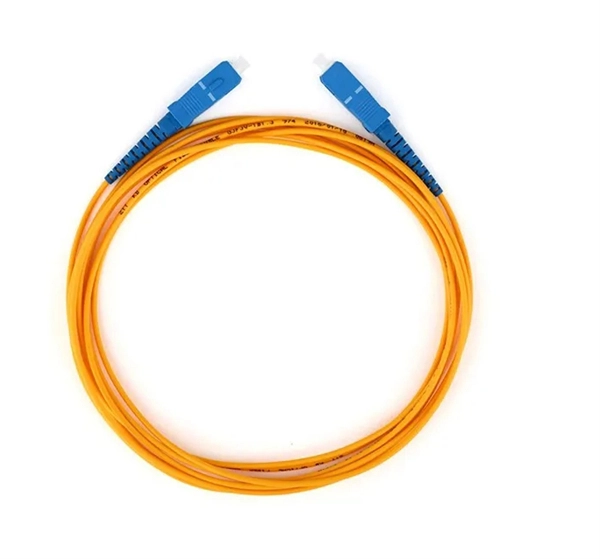
A typical fiber optic cable can contain anywhere from a few to several hundred fiber strands, depending on its design and intended use. Common configurations include 12, 24, 48, or even up to 144 fibers for high-capacity applications. The optical fiber elements are typically...
Prices typically range from about $0. 50 per foot for fiber optic cable and basic installation, depending on indoor vs outdoor routing, distance, and terrain. 6Wresearch actively monitors the Palau Fibre Optic Cables Market and publishes its comprehensive annual report...
They can weigh between 60 to 200 kg per kilometer (39. 7 to 132 pounds per 1000 feet), depending on the design and materials used. However, some general guidelines can provide a rough estimate: Indoor Fiber Optic Cables: These are typically lighter as they require less...
[PDF Version]
While routers, switches, and transceivers often have upgrade cycles of 3 to 5 years, properly installed and maintained fiber cabling systems can last 15 years or more — spanning multiple hardware generations. Effective lifecycle management of fiber optic cables, from...
The entire process typically takes 2-6 hours for residential installations when an Optical Network Terminal (ONT) is already present, or 4-6 hours if one needs to be installed from scratch. 1: How long does the fiber optic installation process take? A: The duration varies...
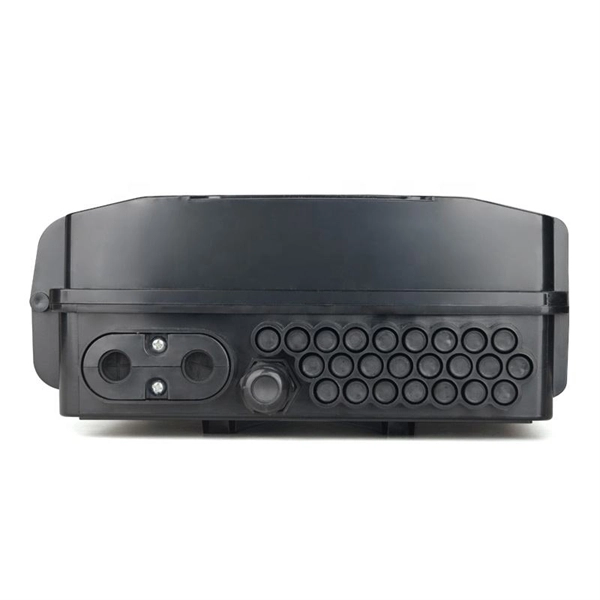
Fiber Optic Troubleshooting Guide: Problems, Tools & SolutionsLearn how to troubleshoot fiber optic cables with common problems, a step-by-step process, es.
[PDF Version]To identify a broken fiber optic cable, start by performing a visual inspection for any physical signs of damage, such as bends, cracks, or breaks...
There are several methods to test fiber optic cables without a tester. One method is using a visual fault locator (VFL), as mentioned earlier, to v...
Intermittent fiber optic connections can be caused by a variety of factors, including: Poorly terminated connectors or splices that result in unsta...
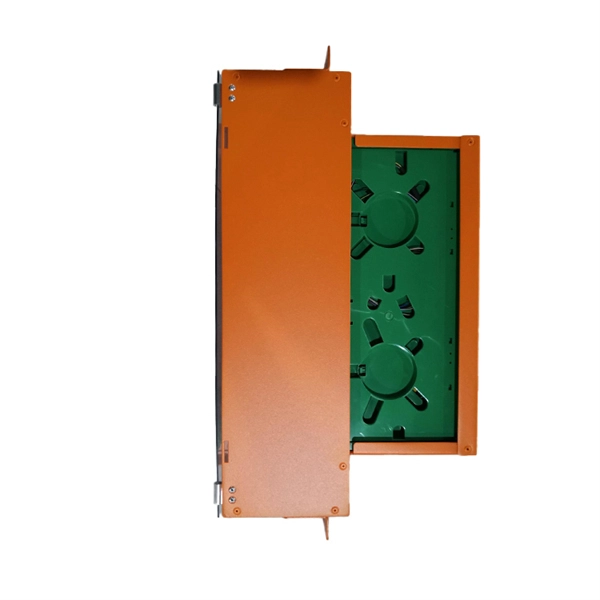
This wikiHow article will teach you how to splice a cut fiber optic cable back together with a fiber optic stripper and cutter and a fiber optic crimper. Trim off any frayed or damaged ends of the cable. If you have the right tools and knowledge, you can definitely find the...
[PDF Version]Share the fiber interfaces, termination capacity, cable route and evidence required for handover.