
Technical notes
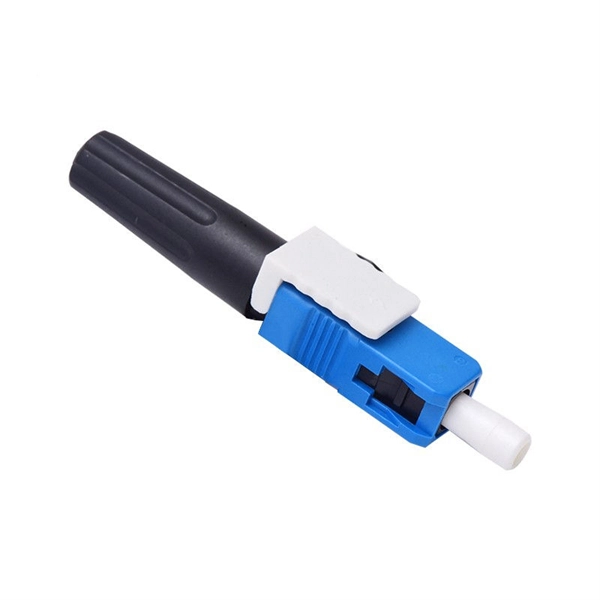
Single Mode vs. Multimode Fiber: Core Differences and Selection Guide
Single Mode vs Multimode Fiber: What''s the Difference? For a clearer comparison, the following sections examine the main differences between single mode and multimode fiber in terms
The Guide to Fiber Optic Selection: Single-mode vs. Multimode
In single-mode fiber (SMF), light propagates along a single path, and the light source uses a laser to produce a highly concentrated, directional beam. Mutimode fiber (MMF) light...
Tutorial Passive Fiber Optics, Part 3: Single-mode Fibers
In this regime, the fiber is called a single-mode fiber. Higher-order modes like LP 11, LP 20 etc. then do not exist — only cladding modes, which are not localized around the fiber core. Note that in most
Optical Access Architecture Reference Document: Single-Mode vs
multiple light modes to propagate simultaneously. While this facilitates simpler and less expensive light source coupling (using LEDs or VCSELs), it introduces modal dispersion that limits the bandwidth
The Guide To Fiber Optic Selection: Single-mode Vs. Multimode
Many people encounter a core question when setting up a network: should I use multimode fiber or single-mode fiber? Today, ETU-LINK will thoroughly explain the differences
How to Choose Between Multimode and Singlemode for Your Project
A practical buying guide for choosing multimode vs singlemode fiber. Distance, cost, equipment, future-proofing, and a decision framework you can use on your next project.
Single-mode Fibers – launching light, monomode fiber, cut-off
A single-mode fiber, also called a monomode fiber, is an optical fiber designed to support only a single propagation mode (LP 01) for each polarization direction at a specific wavelength.
Single-Mode Optical Fiber
Single-mode fiber optic cables use a stronger, brighter light source with less attenuation. Its ability to provide unlimited bandwidth simultaneously makes it a popular option in this fast-paced
Single-Mode Fibers
Single-mode optical fibers are a key component in modern telecommunications, enabling high-speed data transmission over long distances. This article explores what single-mode fibers are, how they
Single Mode vs Multimode Fiber: A Complete Comparison Guide
Understanding the fundamental differences between single mode fiber (SMF) and multimode fiber (MMF) is crucial when designing or upgrading network infrastructure.
Single Mode vs Multimode Fiber: What are the Differences?
Single mode fiber usually uses laser diodes as a light source. The monochromatic nature of laser light means it emits at a single, predictable wavelength. Single mode fiber optics is also
Fiber Optic Cable Buying Guide
Fiber Optic Cable Buying Guide Understand how to choose fiber optic cable by comparing single‑mode vs. multimode, network speed and distance needs,
The FOA Reference For Fiber Optics
Sources For Fiber Optic Transmitters - LEDs And Lasers Most systems use a "transceiver" which includes both transmission and receiver in a single module. The transmitter takes an electrical input
Exploring the Intricacies of Single-Mode Fiber Optic Cable
As single-mode fiber optics aids the evolution of modern technologies, there is an ever-increasing need to understand its role and structure. This blog intends to explain the specifics of
Single Mode vs Multimode Fiber: Which Should You Choose for Long
Diagram 2. Color Sheath Difference between Single-Mode and Multimode Fiber Cables Wavelength and Light Source Multimode fiber typically uses low-cost light sources such as LEDs and
What Is Single Mode Fiber and How Does It Work
Single mode fiber uses a small core to transmit one light path, enabling high-speed, long-distance data with minimal signal loss and low dispersion.
Basics of Fiber Optics
In fiber optic communications, single mode and multimode fiber constructions are used depending on the application. In multimode fiber (Figure 5), light travels through the fiber following different light paths
Single Mode vs Multimode Fiber Cable: Difference
Learn the complete differences between single mode and multimode fiber optic cables, including distance, core size, wavelength, cost, and best applications.
Related Video Reference
This video was associated with the source search result. Verify technical details against current product documentation and project requirements.