
Technical notes
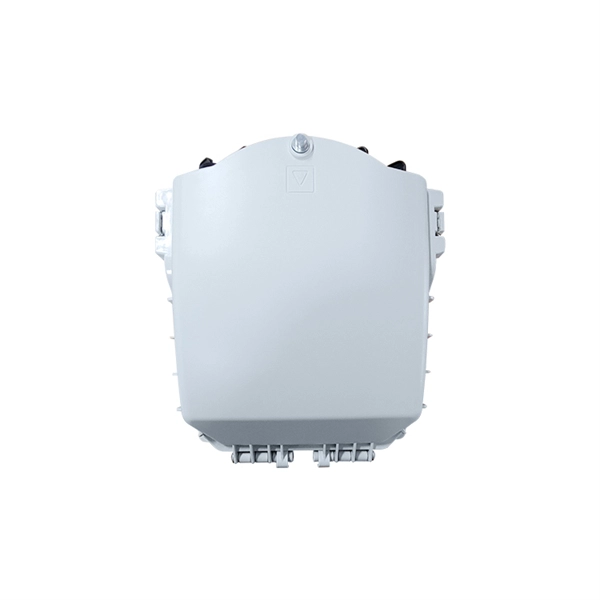
How to Splice Fiber Optic Pigtails: A Step-by-Step Guide
Master the art of fiber termination. Learn how to splice fiber optic pigtails using fusion splicing, follow the color code, and ensure low insertion loss.
Fiber Optic Pigtail Introduction and Installation Guide
Fiber optic pigtails provide an optimal solution for joining optical fibers, particularly in 99% of single-mode applications. This post will cover
Fiber Optic Pigtail: The Complete Guide to Types,
This guide covers everything: what fiber optic pigtails are, how they differ from patch cords, which connector and polish type to specify, how to
How to Install Fiber Optic Pigtails (Step-by-Step Guide)
Remove the outer coating carefully to expose the fiber. Use alcohol wipes to remove dust and debris. Make a precise cut for optimal splicing. Align and fuse the pigtail fiber with the main
Fiber Optic Pigtail: What Is It and How to Splice It?
They provide a reliable and efficient way to terminate optical fibers and enable seamless connectivity. In this article, we will explore what fiber optic
"Fiber Splicing Pigtails | Step-by-Step Guide for Beginners"
In this detailed video, we''ll walk you through the fiber optic pigtail splicing process — from preparation to final testing.
What is Fiber Pigtail? A Complete Guide for Beginners
A fiber pigtail is a fiber optic cable with pre-terminated fiber connector and exposed fiber. This guide introduces fiber pigtail basics, types.
What Is Fiber Optic Pigtail and How to Splice It?
It can be attached to optical fibers by fusion or mechanical splicing. Given the access to a fusion splicer, you can splice the pigtail right onto the cable in a minute or less, which greatly speeds
Fiber Optic Cable vs Patch Cord vs Pigtail – Complete
Understand the differences between fiber optic cables, patch cords, and pigtails. Learn standards, applications, and how to choose the right fiber
Fiber Optic Pigtails: Uses & Differences from Patch Cords
In this guide, we will break down what fiber optic pigtails are, how they differ from patch cords, what types exist, and how to select the right one for your project. By the end, you will have a
Fiber Optic Pigtail: What Is It and How to Splice It?
Fiber optic pigtails are essential components in fiber optic installations, used to connect fiber optic cables to devices or equipment. They provide a
"Fiber Splicing Pigtails | Step-by-Step Guide for Beginners"
🎥 Fiber Splicing Pigtails | Complete Step-by-Step Tutorial for Beginners and Technicians Welcome to our channel! In this detailed video, we''ll walk you through the fiber optic pigtail splici
What is Fiber Pigtail? A Complete Guide for Beginners
A fiber pigtail is typically a fiber optic cable with one end factory pre-terminated fiber connector and the other exposed fiber. It is usually suitable for
The Ultimate Guide to Fiber Pigtail
A: A fiber pigtail is a single, short, terminated optical fiber typically used for splicing or connecting to a patch panel, whereas a fiber optic cable
Fiber Optic Pigtails: Uses & Differences from Patch Cords
Understand fiber optic pigtails — definition, types, and how they differ from patch cords. Learn why pigtails ensure reliable, low-loss fiber terminations.
What is a Fiber Optic Pigtail? | Types, Uses & Advantages
In a fiber optic cable installation, how the cable is connected to the system is critical to the network''s success. If done correctly, optical signals would pass through the link with low
What Is Fiber Optic Pigtail and How to Splice It?
Fiber Optic Pigtail Splicing: Easy and Fast Fiber Termination The quality of fiber pigtail is typically high because the connectorized end is attached in the factory, making it more accurately than a field
Understanding Fiber Pigtail Connectors: Types, Installation, Advantages
By securely attaching to the end of a fiber optic cable, fiber pigtail connectors facilitate the seamless integration of optical fibers into network systems. Whether it''s for telecommunications, data
Related Video Reference
This video was associated with the source search result. Verify technical details against current product documentation and project requirements.