
How can one identify a broken fiber optic cable?
To identify a broken fiber optic cable, start by performing a visual inspection for any physical signs of damage, such as bends, cracks, or breaks...
Search optical fiber, connectivity, cable management and network infrastructure references.
The parameters of optical module include the light transmission power, the light reception power, the temperature, the power-supply voltage and the bias current. GPON System Optical Parameter Detection provides information about optical parameter diagnosis and the GPON port...
[PDF Version]
The TIA-598 standard defines a 12-color sequence, which repeats for higher fiber counts. The fiber color code is a standardized method that assigns specific colors to fiber optic components—including outer cable jackets, individual fiber strands, and connectors—to ensure...
Optical modules are compact devices that convert electrical signals into optical signals and vice versa. They are used in fiber optic communication systems to transmit data over long distances with minimal loss and interference. Operating at the physical layer of the OSI...
[PDF Version]
So, to cut right to the chase, you can generally tell if fiber is multimode or singlemode by examining the cable's jacket color, looking for printed markings on the jacket, checking the connector type, and if all else fails, by measuring the core diameter or using an optical...
[PDF Version]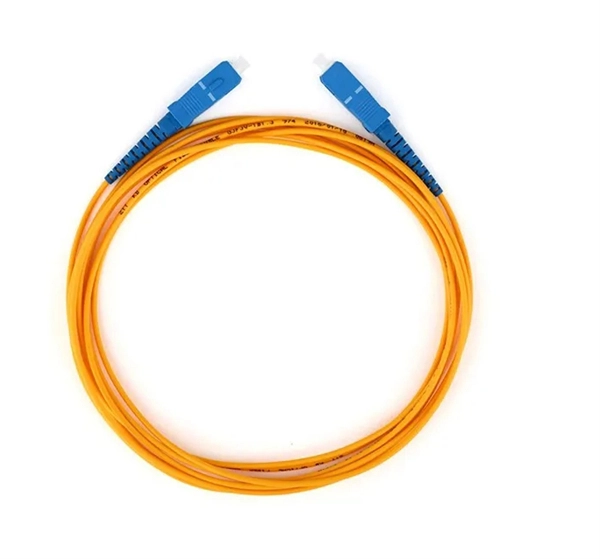
A typical fiber optic cable can contain anywhere from a few to several hundred fiber strands, depending on its design and intended use. Common configurations include 12, 24, 48, or even up to 144 fibers for high-capacity applications. The optical fiber elements are typically...
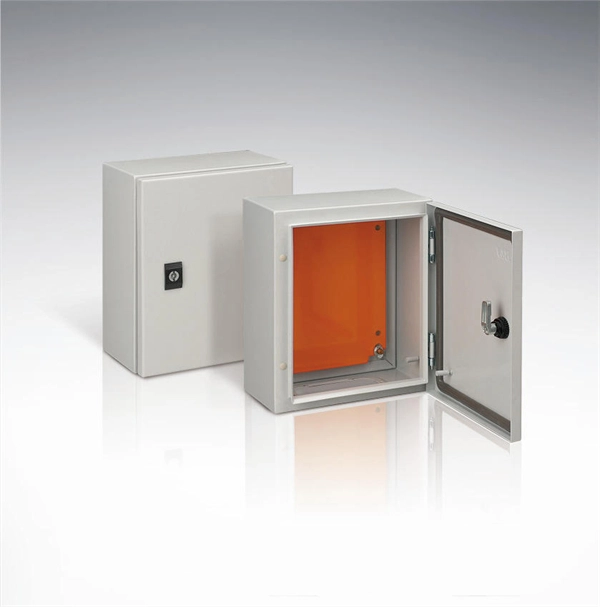
Prices typically range from about $0. 50 per foot for fiber optic cable and basic installation, depending on indoor vs outdoor routing, distance, and terrain. 6Wresearch actively monitors the Palau Fibre Optic Cables Market and publishes its comprehensive annual report...
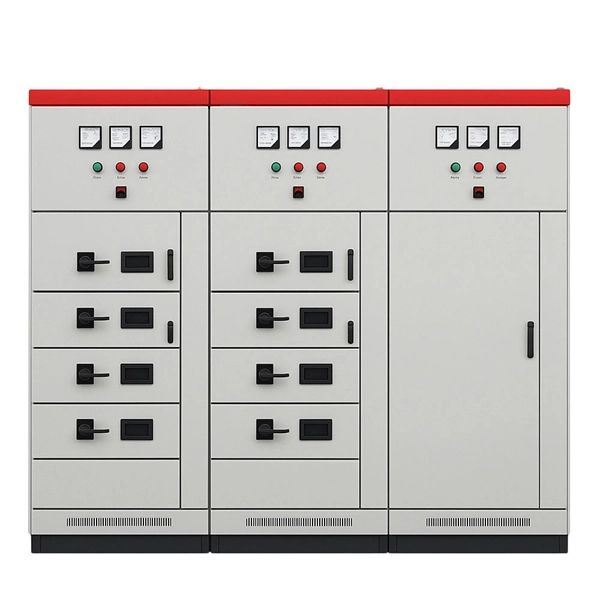
They can weigh between 60 to 200 kg per kilometer (39. 7 to 132 pounds per 1000 feet), depending on the design and materials used. However, some general guidelines can provide a rough estimate: Indoor Fiber Optic Cables: These are typically lighter as they require less...
[PDF Version]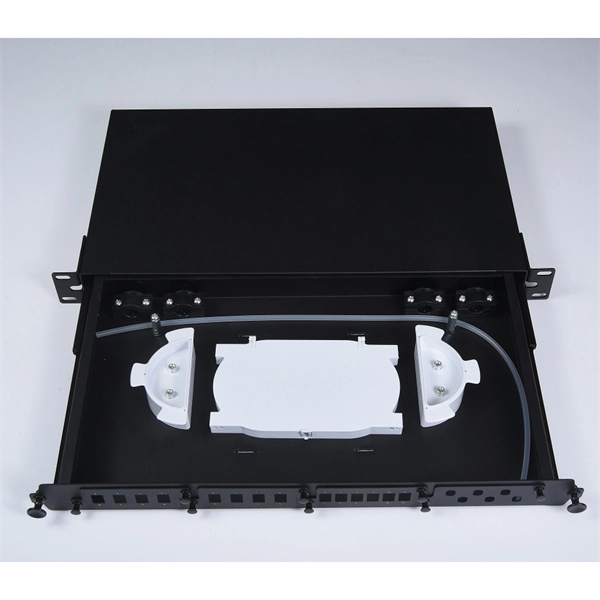
The entire process typically takes 2-6 hours for residential installations when an Optical Network Terminal (ONT) is already present, or 4-6 hours if one needs to be installed from scratch. 1: How long does the fiber optic installation process take? A: The duration varies...
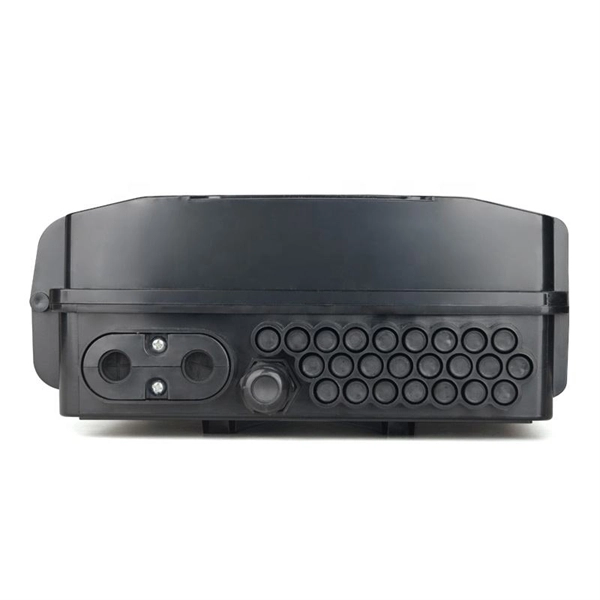
Fiber Optic Troubleshooting Guide: Problems, Tools & SolutionsLearn how to troubleshoot fiber optic cables with common problems, a step-by-step process, es.
[PDF Version]To identify a broken fiber optic cable, start by performing a visual inspection for any physical signs of damage, such as bends, cracks, or breaks...
There are several methods to test fiber optic cables without a tester. One method is using a visual fault locator (VFL), as mentioned earlier, to v...
Intermittent fiber optic connections can be caused by a variety of factors, including: Poorly terminated connectors or splices that result in unsta...
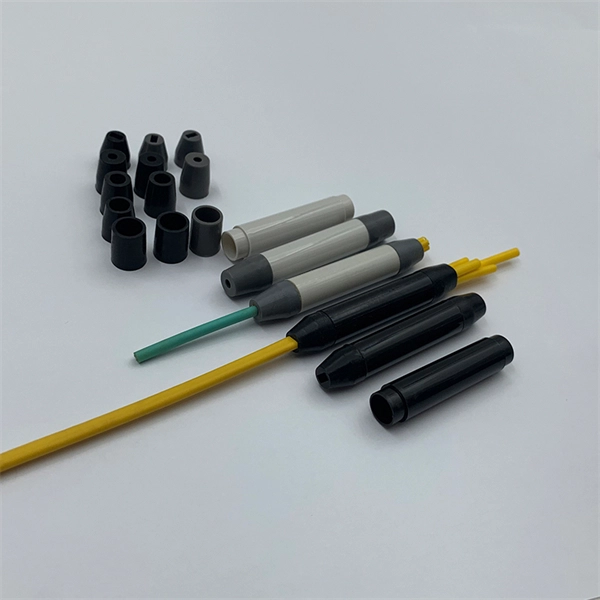
BOX packaging seals optical chips in a metal enclosure with inert gas, ensuring long-term stability for high-performance transceivers. TO-CAN packaging, originating from the semiconductor industry, provides a compact and cost-effective solution, ideal for small optical . The...
[PDF Version]
An Optical Time Domain Reflectometer (OTDR) measures and displays optical link attenuation as a function of time by converting the returned optical power from fiber length and components into a proportional electrical current. Executive Summary: A fiber optic pigtail is one...
[PDF Version]Share the fiber interfaces, termination capacity, cable route and evidence required for handover.