
Technical notes
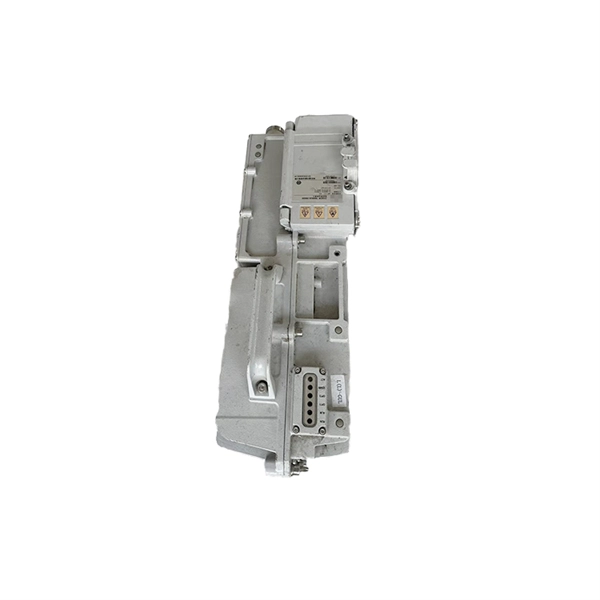
Underground Pull Box Installation: A Step-by-Step Guide for Safe
But installing a PVC underground pull box for your conduit system is a manageable DIY task when you understand the key considerations and follow the right steps. Learn how to create a safe, accessible,
How To Install An Underground Electrical Junction Box
Here is everything you need to know about how to install an underground electrical junction box from the ground up with straight steps and no
How to Install an Outdoor Underground Electrical Junction Box
Master the safe installation of underground electrical junction boxes, ensuring long-term weather resistance and code compliance.
How to Install an Underground Pull Box
Ensure your underground wiring is safe and maintainable. Follow this guide for compliant pull box installation, drainage, and utility access.
Underground Installation Guide
All MTE infrastructure including but not limited to conduits, manholes, box pads, and pull boxes must have a minimum horizontal separation of 36” from gas and water lines.
The installation requirements for the distribution box
Learn how to install a distribution box safely and correctly. Covers wiring, placement, standards, and expert tips for a compliant setup.
How to Install a Distribution Box—A Comprehensive Instruction
Before starting the installation, finding a proper place for putting the distribution box is crucial, because it largely decides the safety and convenience of maintenance. Let''s see what factors
How to Install Underground Electrical Conduit: #1 Best Tips
Learn how to install underground electrical conduit with our step-by-step guide, ensuring safety and compliance with local codes.
How to Install Underground Electric Conduit Up to Code
Save money when installing new circuits for a garage or shed by running underground cable yourself, then hiring an electrician to make the hookups.
Distribution Box Installation: Advanced Techniques
This video breaks down the process step-by-step, ensuring viewers can confidently complete this essential electrical project.
Requirements for Installation of Underground Electric Systems in
1. Purpose This guide is intended for use by property owners, developers, and their engineers who request the installation of an underground electric distribution system to serve a residential
Underground Distribution System Design Guide
Electric cooperatives own and operate more than 42 percent of the distribution lines in the nation and provide power to 40 million people (12 percent of the population).
Wiremold: Outdoor Ground Box Full Installation
Enjoy the videos and music you love, upload original content, and share it all with friends, family, and the world on .
Underground Structures (UGS) | SCE Manuals | SCE
The UGS Manual provides guidance and standards pertaining to installing and working with underground structures for electrical facilities. The UGS Manual includes general information on
National grid logo and tag
Provide and install all other required handholes, box pads, splice boxes, grounding systems, and conduit including spacers, galvanized conduit and sweep for riser pole including bonding clamps and neutral
UNDERGROUND ELECTRIC DISTRIBUTION CONSTRUCTION
Five, six, and seven caution tapes are to be installed for the 54 inch, 60 inch, and 72 inch EXC plates respectively. Caution tapes are to be installed 12 inches below final grade in earth, and 18 inches
National grid logo and tag
National Electrical Code National Electrical Safety Code Applicable Distribution Construction Standards of the Company National Grid''s Specifications for Electrical Installations There shall be no attempt to
How to Lay Underground Cable for Power Distribution
To ensure a successful underground cable installation, high-quality equipment is essential. Zoliov offers advanced power distribution solutions, including electrical switchgear, Ring Main Units,
Related Video Reference
This video was associated with the source search result. Verify technical details against current product documentation and project requirements.