
Technical notes
The Complete Step-by-Step Guide to Fiber Optic Splicing
In this guide, we cover the basics of fiber optic splicing, how to perform splicing using two different methods, and finally some best practices to perform good
How to Splice Fiber Optic Cable – Step-by-Step Fusion
Learn how to splice fiber optic cable using fusion splicing with this complete step-by-step guide. Includes tools, best practices, loss standards (ITU
Fiber Optic Cable Splicing Methods: A Practical Guide
Learn fiber optic cable splicing methods: fusion splice techniques and more. A practical guide to optic cable splicing for reliable fiber optics.
The Ultimate Guide to Splicing of Fiber: Techniques and Tips
It''s the process of joining two fiber optic cables using techniques such as fusion splicing and mechanical splicing, crucial for maintaining uninterrupted communication networks.
How to Fix a Cut Fiber Optic Cable
While a cut or damaged fiber optic cable can temporarily take your network down, it is possible to quickly fix the cable with the right tools. This wikiHow article will teach you how to splice a
What is Fiber Optic Cable Splicing?
Fiber splicing is the preferred way when cable lines are too long for a single length of fiber or when combining two different types of cable. Fusion splicing and Mechanical splicing are two
Splicing Fiber Optic Cables | A Beginner''s Guide
When done correctly, splicing creates a cable with improved durability and minimal loss. The two most common methods of fiber splicing are mechanical and fusion.
Fiber Splicing Techniques Explained for Beginners
Splicing fiber made simple: follow step-by-step techniques for strong, reliable cable connections using mechanical and fusion methods. Discover expert insights on fiber installation and
How Anyone Can Splice Fiber Optic Cable | BroadbandSearch
Fiber optic splicing focuses on creating low loss connections that support high-speed data transmission. Fusion splicing remains the preferred method because it permanently bonds
Fiber Optic Systems
Fiber splices are protected in above-ground pedestals and fiber splice closures for aerial or underground applications, while multiport service terminals, fiber drop
The FOA Reference For Fiber Optics
Passive loss is made up of fiber loss, connector loss, and splice loss. Don''t forget any couplers or splitters in the link. If the specifications for a type of system or
Outdoor Optical Cable_ADSS Cable_FTTH Drop
product category Outdoor Optical Cable ADSS Cable FTTH Drop Cable Hybrid/Composite cable Indoor Optical Cable Cable OPGW Optical Termination
Go4Fiber Ltd-One Stop Fiber Optic Superstore
Hot Item more 24 port 19-inch slide-out rack mount fiber optic enclosure, loaded with 12 pcs of SC singlemode duplex adaptor and splice tray GFCP024RC-S-CP Availability: Call for price
Ribbon Fiber Optic Cable
Fiber Optic Ribbon Cable Ribbon cables offer higher fiber counts and greater fiber density than any other cable construction designed for the outside plant (OSP),
Optical ground wire
Optical ground wire An optical ground wire (also known as an OPGW or, in the IEEE standard, an optical fiber composite overhead ground wire) is a type of cable that is used in overhead power lines.
The FOA Reference For Fiber Optics
Many high fiber count cables today are made from ribbons of fibers, usually 12 fibers per ribbon. Splitting all those fibers out to splice individually would be time
Fiber Optic Cable
Fiber Cable Belden''s extensive line of indoor and outdoor cable products is offered in tight buffer and loose tube designs. Armored, burial, and ruggedized designs
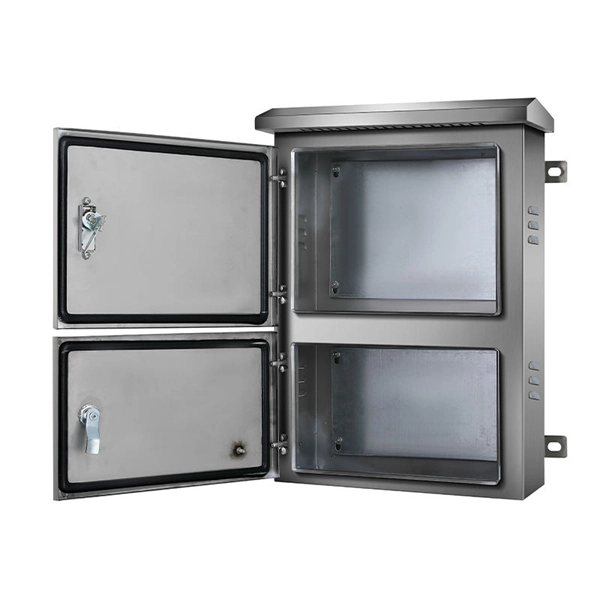
32 Port Fiber Distribution Box, 72 Cores Splicing –
The 32 port fiber splitter distribution box comes in three internal structure options, they all can achieve direct and branch connection of optical cable.
Related Video Reference
This video was associated with the source search result. Verify technical details against current product documentation and project requirements.