
Technical notes
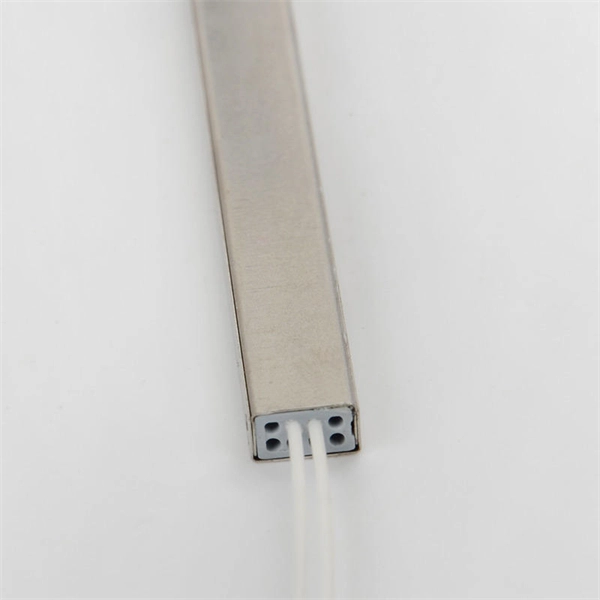
Where is the Huawei beam splitter switch
BlazingFast Photonics delivers high-speed optical transceivers, silicon photonics, co-packaged optics, OSFP 1.6T modules, laser drivers, TIAs, DFB lasers, VCSEL arrays, and LPO solutions for data
What are Beamsplitters?
Beamsplitters are optical components used to split incident light at a designated ratio into two separate beams. Additionally, beamsplitters can be used in reverse to combine two different beams into a
Beam Splitters – optical power splitter, beamsplitter, thin-film
A beam splitter is an optical component used for splitting light into two separate beams, usually by wavelength or polarity. It can also be used, in reverse, as a beam combiner, to join two light beams
Do You Know How to Place and Use the Optical Splitter?
In optical communication networks, optical splitters play a crucial role in efficiently dividing and distributing signals. Proper placement and usage are essential for optimizing signal quality and
Beam splitter
A beam splitter or beamsplitter is an optical device that splits a beam of light into a transmitted and a reflected beam. It is a crucial part of many optical experimental
Methods and applications of on-chip beam splitting: A review
It is often used as a 3 dB power beam splitter and combiner, such as the beam splitting and combiner of MZI. By changing it without changing its symmetry, polarization beam splitting and
How Do Optical Beam Splitters Work & Applications
Engineers and scientists can select appropriate beam splitters for their applications by comprehending the operational mechanisms and practical implementations of the different beam
Introduction To Splitters | Teledyne Vision Solutions
A beam splitter is an optical device that splits beams (such as laser beams) into two (or more) beams. Beam splitters typically come in the form of a reflective device that can split beams into exactly
Beam Splitters: Types and Applications
Beam splitters find their application in a diverse array of fields, from teleprompters to robotics, impacting various technologies we rely on daily. These unassuming devices are pivotal in facilitating the
Exploring Beam Splitters: Types and Applications
Working Principles, Types, and Applications Beam splitters play a critical role in modern optical technology, powering devices from teleprompters and
Introduction To Splitters | Teledyne Vision Solutions
Introduction To Splitters Introduction Early microscopes were essentially a tube through which light travels (Figure 1A), from a sample to the eye (or a camera),
How Do Optical Beam Splitters Work & Applications
How does polarization affect a beam splitter? A polarizing beam splitter uses polarized light to determine its transmission and reflection outcomes. PBS devices are essential optical
How does a beam splitter work? Common types and use cases
Understanding Beam Splitters Beam splitters are essential optical components used to divide a beam of light into two or more separate beams. They play a crucial role in various scientific,
What Are Optical Beam Splitters?
Various types of beam splitters manipulate the path of a light beam, serving diverse applications in technology. Discover the different types, coatings and uses of beam splitters.
Beamsplitters Selection Guide
Beamsplitters Selection Guide: Types, Applications, and Key Criteria Beamsplitters are vital optical components in countless systems—from high-end scientific instruments to everyday imaging
What is a Beam Splitter: Types And Applications –
A beam splitter is a device used to separate or combine light. It is widely used in guiding light in optical systems, enhancing imaging and
Optical Beam Splitter Guide: Cube, Plate & Polarizing Types
Modern optical beam splitters are used throughout imaging, spectroscopy, semiconductor inspection, laser processing, quantum optics, and metrology systems where precise control of optical paths is
Beamsplitters Selection Guide For Optical Applications | Optometrics
This beamsplitter guide highlights the functionality, form factor, role and key considerations when selecting beamsplitters for optical applications.
Related Video Reference
This video was associated with the source search result. Verify technical details against current product documentation and project requirements.