Skip to content
AK OPTICALSystems Send a project enquiry
Reference library

Industrial Energy Internet

Published
  • Industrial
  • Energy
  • Internet
Source context

AI source overview

The Industrial Internet and Energy Internet integrate IoT, smart systems, and advanced analytics to optimize industrial operations and energy management, enhancing efficiency, sustainability, and real-time decision-making. Industrial Internet (IIoT)The Industrial Internet of Things (IIoT) refers to the network of interconnected sensors, instruments, and devices used in industrial applications such as manufacturing, energy, and logistics. By connecting physical machines to digital systems, IIoT enables data collection, analysis, and automation, improving productivity, operational efficiency, and economic outcomes.

Key enabling technologies include: Cyber-Physical Systems (CPS): Integrates physical processes with software and communication for modeling, monitoring, and control. Cloud Computing: Centralized storage and processing of industrial data for scalable analytics. Edge Computing: Decentralized processing near the data source to reduce latency and improve real-time decision-making.

Advanced Robotics and Machine-to-

Machine Communication: Automates repetitive tasks and enables intelligent coordination between devices. Big Data and Cognitive Computing: Analyzes large datasets to optimize operations and predict maintenance needs. IIoT is increasingly applied in energy management, allowing companies to monitor energy consumption, identify inefficiencies, and optimize production processes.

By leveraging cloud-based analytics and real-time monitoring, industrial operators can reduce energy costs, improve sustainability, and enhance operational transparency. Energy Internet (Internet of Energy, IoE)The Energy Internet or Internet of Energy (IoE) integrates IoT technology with distributed energy systems to enhance the efficiency of electricity generation, transmission, and consumption. It enables smart grid management, including: Power Monitoring: Real-time tracking of energy flows across the grid.

Demand-

Side Management: Adjusting energy consumption based on real-time demand. Distributed Storage and Renewable Integration: Coordinating energy storage and renewable sources like solar and wind. Energy Transactions: Facilitating peer-to-peer energy trading among prosumers (consumers who also produce energy) to balance supply and demand.

Io

E relies on sensor networks, smart meters, and communication protocols to collect and transmit data, enabling utilities to optimize grid performance, reduce energy waste, and integrate renewable energy efficiently. The concept also supports microgrids and distributed energy resources, allowing households and businesses to participate actively in energy production and storage.

Convergence and Benefits

Both IIoT and IoE represent the digital transformation of industrial and energy sectors, leveraging connectivity, data analytics, and automation. Key benefits include: Enhanced Efficiency: Optimized energy usage and industrial processes reduce costs and resource consumption. Sustainability: Integration of renewable energy and energy-efficient operations lowers carbon emissions.

Real-

Time Decision-

Making: Edge and cloud computing enable rapid responses to operational changes. Economic Opportunities: Energy trading, predictive maintenance, and process optimization create new revenue streams and reduce operational risks. In summary, the Industrial Internet focuses on connecting industrial devices for operational optimization, while the Energy Internet applies similar principles to energy systems, enabling smart grids, distributed energy management, and sustainable energy utilization.

Together, they form a foundation for intelligent, connected, and efficient industrial and energy ecosystems.

Research context

Reference summary

Energy Internet We are pleased to announce that Energy Internet is indexed in IET Inspec. Energy Internet Energy Internet is an innovative concept based on.

From reference to enquiry

Questions for your project

Use these editorial prompts alongside the linked excerpts. They identify items to confirm for your project.

Technical notes

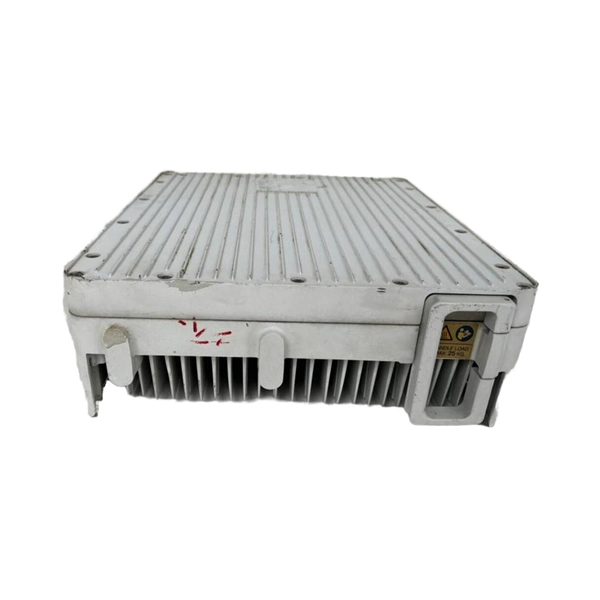
Illustrative equipment image

Energy Internet

Energy Internet is an innovative concept based on synergy of multi-energy systems including electricity, gas, cooling and transportation.

Energy Internet: Overview

Energy Internet is an innovative concept based on synergy of multi-energy systems including electricity, gas, cooling and transportation.

The Energy Internet

Integrating renewable energy with Internet connectivity can help to sustain economic development and reduce poverty without fueling a climate catastrophe.

Energy Internet, the Future Electricity System: Overview, Concept

Energy Internet, a futuristic evolution of electricity system, is conceptualized as an energy sharing network. Its features, such as plug-and-play mechanism, real-time bidirectional flow of energy

Recent advancement of energy internet for emerging energy

This article deals with a thorough investigation of the energy internet towards future emerging technologies for energy distribution and management to

Enabling Industrial Internet of Things (IIoT) towards an emerging

More recently, the industrial internet or industrial internet of things (IIoT) has been introduced to energy industry and all the assets in a distributed energy system are treated as a smart

Siemens Energy | Let''s make tomorrow different today

We support companies and countries to reduce emissions across the energy landscape – for a more reliable, affordable and sustainable energy system.

Industrial Internet of Things Energy Efficiency: Investigating Low

A revolutionary change in production processes, the Industrial Internet of Things (IIoT) allows for the acquisition and analysis of data in real-time, which in turn improves operational efficiency. But there

Industrial Internet

Industrial internet is defined by GE as: “Global industrial system linked with advanced computing power, low power sensors, analytics and layers of connectivity which allowed through the internet.”

What Is the Industrial Internet?

The industrial Internet is a new infrastructure, application mode, and industrial ecosystem that deeply integrates next-generation information communication technologies with the industrial

Energy internet

INTRODUCTION Energy Internet,sponsored by Chinese Society for Electrical Engineering (CSEE), and published by China Electric Power Research Institute (CEPRI) in cooperation with the Institution of

Internet of Things in Energy Sector: Uses, Challenges,

Explore the Internet of Things in Energy Sector — its applications, benefits, challenges, and features shaping a smarter, more efficient, and

Energy-Efficient Industrial Internet of Things in Green 6G Networks

The research problem of this systematic review was whether green 6G networks can integrate energy-efficient Industrial Internet of Things (IIoT) in terms of distributed artificial

Energy Internet: Redefinition and categories | Energy Internet

In this paper, we propose the redefinition of EI, based on a comprehensive literature review, some latest trends and driving forces in the global energy industry, as well as its

Energy internet

All IET journals are Gold Open Access titles. Submissions will be subject to an APC if accepted and published in the journal. You can read more about APCs and whether you may be eligible for waivers

The Research of Development of New Energy Industrial Internet

There are various technical and management barriers in new energy monitoring, operation and maintenance, trading, on-demand manufacturing and other businesses.

Recent advances in Industrial Internet: insights and challenges

Since operating costs will have a significant impact on major decisions in the production and maintenance processes, the Industrial Internet connects devices to smart sensors, uses

Industrial internet of things

The industrial Internet of things (IIoT) refers to interconnected sensors, instruments, and other devices networked together with computers'' industrial applications, including manufacturing and energy

Related Video Reference

This video was associated with the source search result. Verify technical details against current product documentation and project requirements.

Share your network requirements

Share the fiber interfaces, termination capacity, cable route and evidence required for handover.

Send a project brief